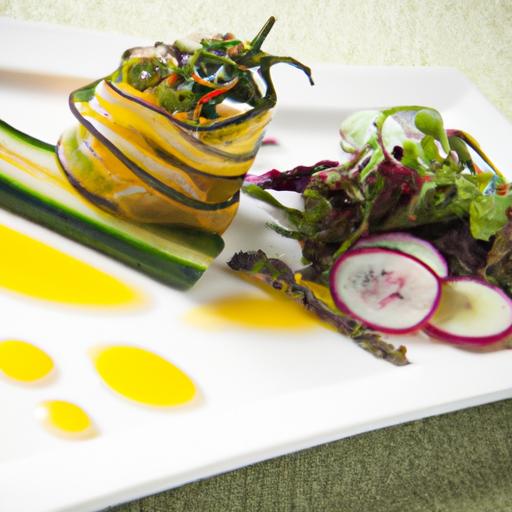
In the vibrant world of culinary artistry, few dishes celebrate the humble vegetable with as much elegance and depth as the vegetable tian. This Provençal masterpiece, with its meticulously layered slices of garden-fresh produce, transforms simple ingredients into a symphony of textures, colors, and aromas.”Layers of Flavor: Discovering the Art of Vegetable Tian” invites you on a sensory journey through this timeless recipe, revealing how patience, precision, and a touch of creativity breathe life into each layer. Whether you’re a seasoned cook or an adventurous foodie,uncovering the secrets behind the vegetable tian is an exploration of nature’s bounty,culinary tradition,and the magic that happens when they come together in perfect harmony.
layers of Flavor: Discovering the Art of Vegetable Tian
Layers of Flavor: Discovering the Art of Vegetable Tian invites you into a world where rustic simplicity meets refined technique. Rooted in the culinary traditions of Provence, this vibrant vegetable dish honors the freshest seasonal produce by layering thinly sliced vegetables, slow-roasting them to tender perfection. My first encounter with vegetable tian was during a summer trip to Southern France, where the sun-drenched vegetables and fragrant herbs came alive in a colorful symphony. today, this recipe is a celebration of those layers-not just in the dish, but in the stories and cultures they represent.
Prep and Cook Time
- Preparation: 25 minutes
- Cooking: 50 minutes
- Total: 1 hour 15 minutes
Yield
Serves 6 generously as a side or 4 as a light main course.
Difficulty Level
Medium - perfect for cooks ready to explore meticulous layering and seasoning for an extraordinary yet approachable dish.
Ingredients
- 2 medium zucchini, thinly sliced lengthwise
- 2 medium yellow squash, thinly sliced lengthwise
- 3 medium tomatoes (preferably heirloom), thinly sliced
- 1 large eggplant, thinly sliced into rounds
- 1 large yellow onion, thinly sliced
- 3 cloves garlic, minced
- 1/4 cup olive oil, plus extra for drizzling
- 1 tbsp fresh thyme, finely chopped
- 1 tbsp fresh rosemary, finely chopped
- Salt and freshly ground black pepper, to taste
- 1/2 cup grated Gruyère or parmesan cheese (optional, for topping)
- Fresh basil leaves for garnish
Instructions
- Preheat the oven to 375°F (190°C). Lightly grease a 9×13 inch baking dish with olive oil.
- Prepare the base layer by sautéing the sliced onion and garlic gently in 2 tablespoons of olive oil over medium heat.Cook until the onions turn translucent and sweet, about 8 minutes. Spread this mixture evenly across the bottom of the dish.
- Season each vegetable slice lightly with salt, pepper, and half of the fresh herbs. This ensures every bite carries depth and brightness.
- Begin layering by standing the vegetable slices upright on their edges, alternating zucchini, eggplant, squash, and tomato. Pack tightly in even rows, hugging the edges of the dish. The colorful contrast will create a stunning presentation.
- Drizzle the remaining olive oil over the entire arrangement and sprinkle the remaining herbs evenly on top. Cover the dish loosely with foil.
- Bake for 35 minutes, then remove the foil and sprinkle grated cheese evenly over the vegetables if using.
- Bake uncovered for an additional 15 minutes until the cheese is melted, bubbly, and golden, and the vegetables are tender when pierced with a fork.
- Rest the tian for 10 minutes before serving to allow flavors to meld beautifully.
tips for Success
- Choose firm, fresh vegetables with vibrant colors to maximize taste and visual impact.
- Slice vegetables evenly (about 1/8 inch thick) to ensure uniform cooking and elegant layers.
- Don’t rush the sautéing of onions; it builds a deeply flavored base that elevates the dish.
- For a vegan version, skip the cheese or substitute with nutritional yeast for a cheesy flavor.
- Prepare in advance: Assemble the tian the night before and refrigerate covered. Bring to room temperature before baking.
Creative Serving Suggestions to Elevate Your Vegetable tian Experience
Serve this vegetable tian as the centerpiece of a warm-weather meal with crusty baguette and a drizzle of aged balsamic vinegar. Pair it with a crisp dry white wine like Sauvignon Blanc or a light rosé to complement the fresh herbal notes. For a heartier option, present it alongside grilled chicken or fish to celebrate the harmony between land and garden.Garnish with fresh basil and a sprinkle of toasted pine nuts for added texture and a pop of green.
You can also explore plating the tian in individual ramekins for an elegant presentation at dinner parties or layer it atop a spread of creamy goat cheese for an unexpected appetizer twist.

| Nutrient | Per Serving |
|---|---|
| Calories | 180 kcal |
| Protein | 5 g |
| Carbohydrates | 14 g |
| Fat | 12 g |
For more seasonal vegetable inspiration and techniques,check out our Seasonal Vegetable recipes page. To deepen your understanding of the culinary heritage behind Provence’s specialties, visit Encyclopaedia Britannica’s Provence overview.
Q&A
Q&A: Layers of Flavor - Discovering the Art of Vegetable Tian
Q1: What exactly is a vegetable tian?
A1: A vegetable tian is a conventional Provençal dish that celebrates the vibrant bounty of summer vegetables. It’s a layered, baked casserole featuring thinly sliced vegetables-usually zucchini, eggplant, tomatoes, and yellow squash-arranged beautifully in a shallow earthenware dish called a tian. The result is a harmonious blend of textures and flavors, slow-cooked to tender perfection.
Q2: Why is it called a “tian”?
A2: The term ”tian” refers both to the shallow,oval ceramic dish used for baking and the rustic Provençal dish itself. Originating from the Luberon region in southern France, it embodies the essence of Mediterranean cooking-simple, fresh ingredients spotlighted by slow, gentle heat.
Q3: What makes a vegetable tian different from a ratatouille?
A3: While both dishes share similar ingredients, a ratatouille is typically a stewed medley with a saucier, more homogenous texture. A vegetable tian,on the other hand,features neatly layered,thin slices of vegetables that bake together,offering distinct layers and a subtle caramelization on top. The visual appeal of the layered slices is as crucial as the taste.
Q4: How do layers contribute to the flavor profile?
A4: Each vegetable slice contributes its unique flavor and texture-from the mild,tender zucchini to the sweet juiciness of tomatoes and the slight bitterness of eggplant.Layered side by side,they marry under olive oil and herbs,allowing their natural juices to mingle while retaining individual character. The layering creates a symphony of tastes that evolve with every bite.
Q5: What herbs and seasonings elevate a vegetable tian?
A5: Classic Mediterranean herbs like thyme,rosemary,and bay leaf infuse the dish with aromatic depth. Garlic and shallots add subtle warmth, while olive oil ties everything together with its fruity richness. Salt and freshly ground pepper sharpen the flavors, and sometimes a sprinkle of breadcrumbs or cheese on top adds a delightful crust.
Q6: Can a vegetable tian be vegan or gluten-free?
A6: Absolutely! The core of a vegetable tian-fresh vegetables, herbs, and olive oil-is naturally vegan and gluten-free. To keep it vegan, simply omit cheese or use plant-based alternatives. For a gluten-free version, avoid breadcrumbs or substitute them with gluten-free options like crushed nuts or cornmeal.
Q7: What’s the best way to serve a vegetable tian?
A7: serve it warm or at room temperature, letting its layers and aromas shine. it can be a hearty side to grilled meats or fish, or even a main event when paired with crusty bread or a light green salad. The colors and textures make it as pleasing to the eye as it is to the palate.
Q8: Any tips for creating the perfect vegetable tian at home?
A8: Choose fresh, ripe vegetables; slice them uniformly thin for even cooking; and don’t rush the layering-it’s part of the artistic process. Drizzle generously with quality olive oil and season thoughtfully between layers. Baking slowly at a moderate temperature allows the flavors to deepen and the vegetables to meld beautifully. Lastly, let it rest before serving to enhance its texture and flavor harmony.
Q9: Why is making a vegetable tian considered an art?
A9: Beyond the recipe lies an exercise in patience, creativity, and appreciation for natural ingredients. Arranging vibrant slices in captivating patterns transforms cooking into visual storytelling. It’s a tactile celebration of the season’s gifts, where technique meets intuition, and the humble vegetable is elevated into a layered masterpiece.
Q10: Where can one experience an authentic vegetable tian?
A10: The best place to savor a true vegetable tian is in the heart of Provence-open-air markets, rustic bistros, and countryside kitchens. However, with its accessible ingredients and soulful appeal, you can recreate its magic anywhere, inviting a little Provençal sunshine into your kitchen.
In Summary
As the final slice of a vegetable tian reveals its vibrant mosaic of colors and textures, we come to appreciate that this dish is more than a simple casserole-it’s a celebration of patience, harmony, and the natural elegance of humble ingredients. Each layer whispers a story of careful selection, thoughtful arrangement, and the gentle kiss of the oven’s heat, transforming ordinary vegetables into a symphony of flavor. Whether you’re a seasoned cook or a curious foodie, embracing the art of vegetable tian invites you to slow down, savor the process, and rediscover the beauty hidden within layers. So next time you seek a dish both comforting and refined, remember: sometimes, the secret to exceptional taste lies in the quiet layering of nature’s finest gifts.