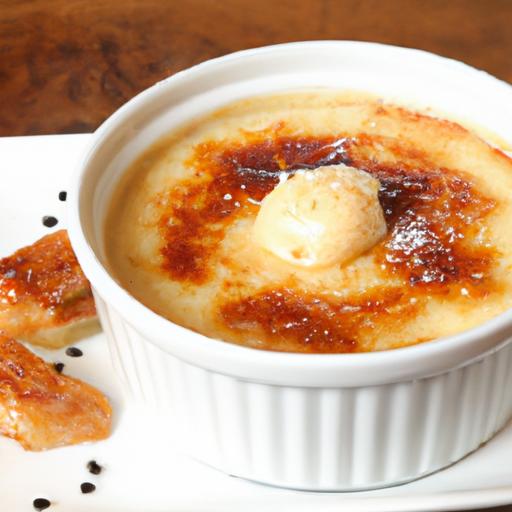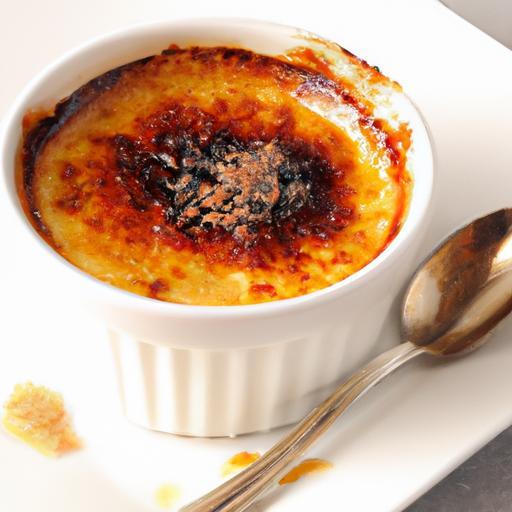
There’s something irresistibly enchanting about crème brûlée-the delicate crack of caramelized sugar giving way to a luxuriously smooth custard beneath. This timeless dessert, with its origins tracing back centuries, has captured the hearts and palates of food lovers around the world. but what truly makes crème brûlée so decadently creamy and perfectly balanced? In this article, we’ll peel back the caramelized crust to reveal the culinary secrets and techniques that unlock the magic behind this classic French delight. Weather you’re an aspiring home chef or simply a curious foodie, prepare to dive into the science, tradition, and artistry that transform simple ingredients into a sublime symphony of texture and flavor.
Unlocking Crème brûlée: The Secrets behind the Creamy Classic
Unlocking Crème Brûlée is like stepping into a world where creamy, velvety custard meets a glossy, caramelized sugar crust in perfect harmony. Originating from French cuisine, this timeless dessert marries simplicity with elegance, inviting every home chef to master its luscious texture and signature crackling top. Personally,my first attempt at this classic was both a test of patience and precision,but once I discovered the essential balance of ingredients and techniques,it became a beloved staple in my culinary repertoire. Whether you’re seeking to impress guests or treat yourself to a luxurious dessert, understanding the subtleties behind this creamy classic will have your kitchen smelling of vanilla and caramel in no time.
Prep and Cook Time
- Preparation: 15 minutes
- Baking: 40 minutes
- Chilling: Minimum 3 hours (ideally overnight)
Yield
Serves 6 elegant portions
Difficulty Level
Medium – requires careful temperature control and timing
Ingredients
- 2 cups heavy cream
- 1 vanilla bean, split and seeds scraped (or 2 tsp pure vanilla extract)
- 5 large egg yolks
- ½ cup granulated sugar, plus extra for topping
- Pinch of fine sea salt
Instructions
- Preheat your oven to 325°F (160°C). place six 6-ounce ramekins into a deep baking dish.
- Warm the cream: In a saucepan, combine the heavy cream and the vanilla bean seeds and pod. Heat gently over medium heat until just simmering-avoid boiling. Remove from heat and let steep for 15 minutes to infuse the vanilla fully.
- Whisk egg yolks and sugar: In a large bowl, whisk together the egg yolks, granulated sugar, and sea salt until the mixture lightens in color and thickens slightly.
- Temper the eggs: Slowly pour the warm cream into the yolk mixture while whisking continuously. This gradual blending prevents the eggs from cooking prematurely and guarantees a smooth custard.
- Strain the custard: Pour the mixture through a fine-mesh sieve into a clean bowl to remove any cooked egg bits or vanilla pod remnants.
- Fill the ramekins: Evenly distribute the strained custard into the ramekins.
- Create a water bath: Pour hot water into the baking dish until it reaches halfway up the sides of the ramekins. This gentle heat ensures even cooking and prevents cracking.
- Bake: Place the baking dish in the oven and bake for about 40 minutes, or until the custard is just set but still slightly wobbly in the center.
- Cool and chill: Remove ramekins from the water bath and allow to cool to room temperature. Refrigerate for at least 3 hours or overnight for the creamiest results.
- Master the caramel crust: Just before serving, sprinkle a thin, even layer of granulated sugar atop each custard.Using a kitchen torch, carefully caramelize the sugar until it forms a golden, crisp crust. Let it cool for a minute to harden.
Tips for Success: Mastering the Caramelized Sugar Crust and Perfect Custard Texture
- Use high-quality vanilla: The bean lends a natural aroma that elevates the custard’s flavor far beyond extracts.
- Precise temperature control: Ensure the cream never boils; a gentle simmer is enough to infuse perfectly without curdling the eggs.
- Don’t rush the chill: Custard needs time to firm up and develop its signature silky texture.
- Caramelizing sugar: Keep your blowtorch moving in small circles to prevent burning.If you don’t have a torch, broiling briefly under a hot grill works-just watch closely.
- Creative twists: experiment by infusing the cream with citrus zest, lavender, or a pinch of cinnamon for seasonal variations that still respect the classic’s integrity.
Choosing the Right Equipment to Elevate Your Experience
Investing in the right tools can transform your cooking process.A quality stainless steel saucepan provides even heating, and a fine-mesh sieve guarantees flawless custard without lumps. Ramekins should be sturdy and ovenproof, ideally ceramic or porcelain. A culinary torch with adjustable flame control is essential for achieving the flawless caramelized sugar crust that defines the dish. For guidance on culinary torches, check our detailed guide to culinary torches.
Troubleshooting Common Challenges and Enhancing Flavors
- Curdled custard: Happens when eggs cook too fast. Prevent by tempering eggs with warm cream and avoiding boiling cream.
- Soft or wet custard: May mean under-baking. Use the gentle jiggle test-edges firm, center slightly trembles.
- Uneven caramel crust: Sprinkle sugar evenly and torch carefully; don’t rush the process or focus too long in one spot.
- Elevating flavor: Add a pinch of sea salt to the caramel topping for a salty-sweet contrast, or top with fresh berries or a mint sprig for vibrant color and freshness.
Serving Suggestions
Present your crème brûlée chilled with the warm, crackled caramel surface front and center. Garnish with fresh berries, such as raspberries or sliced strawberries, and a small sprig of fresh mint for contrast. For an artisanal touch, serve on a rustic wooden board or a gallery of assorted ramekins of different shapes and sizes. pair with a strong espresso or a fragrant herbal tea to balance the rich sweetness.

| Nutrient | Per Serving |
|---|---|
| Calories | 320 |
| Protein | 6g |
| Carbohydrates | 32g |
| Fat | 20g |
For more inspiration on custard delights,explore our article on The History of Custard at Serious Eats, a trusted culinary authority.
Q&A
Q&A: Unlocking Crème Brûlée – The Secrets Behind the Creamy Classic
Q1: What is crème brûlée, and what makes it so special?
A: Crème brûlée, wich translates to “burnt cream” in French, is a luscious custard dessert topped with a thin, crisp layer of caramelized sugar. What makes it truly special is the contrast between its velvety, creamy base and the satisfying snap of the torched caramel crust - a perfect harmony of textures and flavors that has charmed dessert lovers for centuries.
Q2: How do you achieve that signature creamy texture in the custard?
A: The secret to that irresistible creaminess lies in the ratio of rich cream to egg yolks,and the gentle cooking method. Using heavy cream and high-quality vanilla, combined with slow, low-temperature baking (often in a water bath), prevents curdling and creates a smooth, silky custard that’s tender on the tongue.
Q3: Why is the caramelized sugar topping so crucial?
A: The caramelized sugar topping isn’t just decoration – it’s the defining feature that sets crème brûlée apart. When sugar is torched, it melts, bubbles, and hardens into a crisp, glass-like shell that contrasts perfectly with the soft custard beneath. This brittle layer also adds a deep, slightly smoky caramel flavor that makes each bite irresistible.
Q4: Can you use alternatives to the customary torch for caramelizing the sugar?
A: Absolutely! While a kitchen torch offers precise control and speedy caramelization, you can also use your oven’s broiler or even a hot spoon heated on the stove to melt the sugar. Though, torches remain the preferred tool for achieving an evenly caramelized surface without warming the custard too much.
Q5: What’s the best way to infuse flavor into crème brûlée beyond vanilla?
A: Vanilla is classic, but the custard is a blank canvas for creativity. You can infuse it with citrus zest (like orange or lemon), coffee, lavender, spices such as cinnamon or cardamom, or even a splash of liqueur like Grand Marnier or espresso.The key is to gently steep these flavors in the cream before baking to ensure a delicate yet distinct profile.
Q6: How do you store crème brûlée if you’re not serving it immediately?
A: Crème brûlée is best made a day ahead - the custard needs time to chill and set for that perfect creamy texture. Store it covered in the fridge without caramelizing the sugar until right before serving. The topping is most crisp and fresh when torched shortly before consumption to preserve the satisfying crack.
Q7: Any tips for serving and presentation?
A: Serve crème brûlée in shallow ramekins to get that ideal ratio of caramel crust to custard. Garnish with fresh berries, a sprig of mint, or a dusting of powdered sugar for added elegance. And don’t forget the satisfying crack when you tap the caramelized top – part of the immersive crème brûlée experience!
Unlocking the secrets behind crème brûlée means embracing patience, quality ingredients, and a little technique – all culminating in one of the most decadent, sophisticated desserts to ever grace a table. Cheers to caramel and cream magic!
Future Outlook
as the final crack of your spoon pierces through the caramelized crown, you’ve not onyl savored a dessert but also unlocked a centuries-old culinary secret. Crème brûlée, with its velvety custard and shimmering sugar crust, is more than just a sweet treat-it’s a delicate dance of technique, patience, and passion. Armed with these insights, you’re now ready to transform simple ingredients into an indulgent masterpiece, bringing a touch of timeless elegance to your own kitchen. So go ahead, light that culinary spark, and let the magic of crème brûlée continue to enchant your palate and inspire your inner chef.