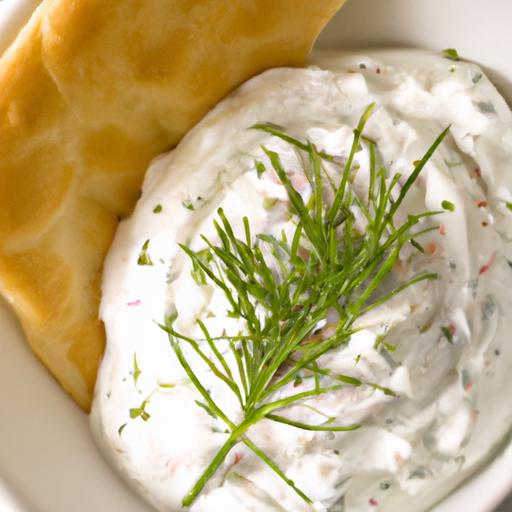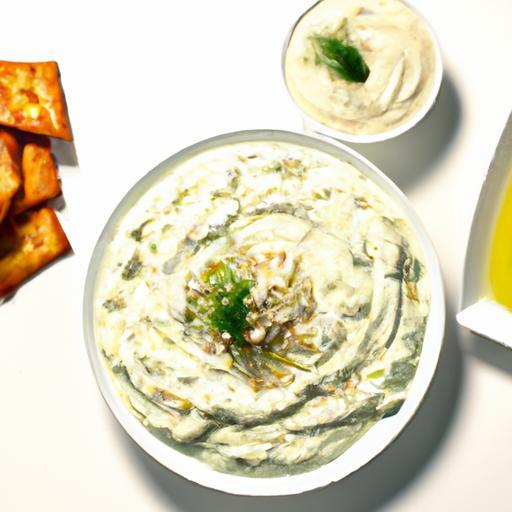
Imagine a sauce so refreshingly creamy, tangy, adn herbal that it instantly transports you to sun-soaked Mediterranean shores with every bite. Tzatziki, the beloved Greek condiment made from luscious yogurt, crisp cucumber, fragrant garlic, and a hint of dill or mint, is much more than just a dip-it’s a culinary celebration of simplicity and flavor. whether dolloped generously over grilled meats, swirled into pita bread, or served alongside vibrant salads, tzatziki sauce offers a cool, zesty contrast that elevates any dish it accompanies. In this article, we’ll dive into the origins, ingredients, and versatile uses of tzatziki, revealing why this creamy Greek delight deserves a permanent spot on your table-and in your kitchen.
Tzatziki sauce is a quintessential emblem of Greek cuisine, famed for its refreshingly creamy texture and vibrant flavors rooted deeply in Mediterranean tradition. This beloved condiment, made from simple yet authentic ingredients, tells a story of sun-drenched landscapes, rustic kitchens, and shared moments around the table. Originating from the coastal regions of Greece,tzatziki’s tangy yogurt base,crisp cucumbers,and fragrant dill create a perfect harmony that elevates any meal.
Prep and Cook Time
- Planning: 15 minutes
- Chilling: 1 hour (for optimal flavor meld)
- Total Time: 1 hour 15 minutes
Yield
About 2 cups (serves 6)
Difficulty Level
Easy – Perfect for beginners and seasoned cooks alike
Ingredients
- 1 cup Greek yogurt (full-fat, strained for best creaminess)
- 1 medium cucumber (peeled, seeded, and finely grated)
- 2 cloves garlic (minced)
- 1 tablespoon extra virgin olive oil
- 1 tablespoon fresh lemon juice
- 1 teaspoon white wine vinegar
- 2 tablespoons fresh dill (finely chopped)
- Salt and freshly ground black pepper to taste
Instructions
- Prepare the cucumber: After peeling and seeding, grate the cucumber finely. Place the grated cucumber in a clean kitchen towel and squeeze out as much excess moisture as possible. This step ensures the sauce remains luxuriously creamy and not watery.
- Combine the base: In a medium bowl, mix the Greek yogurt with the minced garlic, fresh lemon juice, white wine vinegar, and olive oil. Stir gently to blend without breaking the yogurt’s texture.
- Add the cucumber and herbs: Fold in the drained cucumber and finely chopped fresh dill. These fresh, authentic ingredients are key to achieving the characteristic radiant and herbaceous notes.
- Season wisely: Add salt and freshly ground black pepper gradually, tasting as you go. Remember, the flavors will meld and mellow after chilling.
- chill for flavor fusion: Transfer the tzatziki sauce to an airtight container and refrigerate for at least 1 hour. This resting time lets every ingredient marry beautifully, enhancing the creamy texture and vibrant taste.
- Serve with confidence: Before serving, drizzle a little extra virgin olive oil on top and sprinkle with a pinch of fresh dill or crushed red pepper flakes for a visual and flavor punch.
Tips for Success
- Yogurt choice matters: Use full-fat Greek yogurt or strain regular yogurt overnight using cheesecloth to eliminate excess whey. This step is crucial for that rich and creamy tzatziki sauce.
- Garlic potency: Crush garlic with a pinch of salt to release its oils, giving a smoother garlic infusion without overpowering the sauce.
- Customize herbs: Fresh dill is conventional, but try mint or parsley for a creative twist, transforming the tzatziki into a garden-fresh delight.
- Make ahead: Prepare up to 2 days in advance. The flavors deepen wonderfully, making it an excellent make-ahead condiment for parties or weeknight meals.
- Drain that cucumber: A watery tzatziki is avoidable with proper cucumber draining – don’t skip this or the texture and flavor dilute.
Creative Ways to Enjoy
Beyond the timeless gyro pairing, tzatziki sauce is a versatile superstar. Try it as a cooling dip alongside crispy vegetable crudités,dolloped generously over grilled seafood or roasted vegetables,or even as a vibrant spread on warm,toasted pita bread. It pairs beautifully with Mediterranean salads, acts as a luscious sauce for baked falafel wraps, or brightens up a simple baked potato. Garnish dishes with a drizzle of olive oil and a sprinkle of fresh herbs to elevate both presentation and taste.
Storage and Enhancement Tips
Store tzatziki sauce in an airtight container in the refrigerator. It stays fresh and flavorful for up to 3 days. Stir gently before serving,as separation naturally occurs. For enhanced depth, a few drops of high-quality extra virgin olive oil stirred in just before serving add silkiness, while a dash of smoked paprika or crushed chili flakes can provide a smoky or spicy kick for adventurous pallets.

| Nutrient | Per 2 Tbsp Serving |
|---|---|
| Calories | 40 |
| Protein | 2g |
| Carbohydrates | 2g |
| Fat | 3g |
For a deeper dive into Mediterranean dips and their cultural stories,see our guide to Greek meze platters. To understand the health benefits attributed to Greek yogurt and its impact on gut health, visit Healthline’s Greek Yogurt Benefits.
Q&A
Q&A: Tzatziki Sauce – The Creamy Greek Delight You Need to Try
Q1: What exactly is tzatziki sauce?
A1: Tzatziki is a luscious, creamy sauce hailing from Greece, made primarily of thick Greek yogurt, fresh cucumbers, garlic, olive oil, lemon juice or vinegar, and aromatic herbs like dill or mint. It’s a refreshing dip that embodies the sunny Mediterranean spirit in every bite.Q2: Why is tzatziki so popular in Greek cuisine?
A2: Tzatziki’s popularity lies in its perfect balance of tangy, creamy, and herbaceous flavors. It serves as a cooling companion to grilled meats, hearty pita, and vibrant salads, cutting through rich dishes with a fresh zing. Its versatility makes it a staple at Greek tables and beyond.
Q3: How is authentic tzatziki different from store-bought versions?
A3: Authentic tzatziki bursts with freshness-made from strained Greek yogurt that’s thick and creamy,freshly grated cucumbers squeezed dry to avoid sogginess,and garden-picked herbs. Store-bought versions frequently enough sacrifice texture and flavor with preservatives,added sugars,or watery consistency.
Q4: Can I make tzatziki at home?
A4: Absolutely! Homemade tzatziki is surprisingly simple and rewarding. Combine strained yogurt with grated, drained cucumber, minced garlic, a splash of olive oil and lemon, then season with salt and fresh dill or mint. Let it chill for at least an hour to let the flavors meld into creamy perfection.
Q5: What dishes pair best with tzatziki?
A5: Tzatziki’s creamy tang is the perfect match for grilled lamb or chicken souvlaki, crispy falafel, stuffed grape leaves, or as a dip alongside crunchy veggies and warm pita bread. It’s also fantastic dolloped on roasted potatoes or as a cool contrast on spicy wraps.
Q6: Is tzatziki healthy?
A6: Yes! Thanks to its base of protein-rich greek yogurt and fresh veggies, tzatziki is a nutritious choice. It’s low in calories and packed with probiotics and vitamins,especially when made with wholesome ingredients and used as a flavorful alternative to heavier sauces.Q7: can tzatziki be customized or adapted?
A7: Definitely.While tradition calls for garlic, cucumber, and dill, you can experiment with herbs like mint, parsley, or even add a hint of spice with a pinch of cayenne or paprika. For dairy-free options,try blending silken tofu or coconut yogurt,though the classic tang might differ slightly.
Q8: What’s the secret to perfect tzatziki?
A8: Patience and texture! The secret lies in thoroughly draining your cucumbers to avoid watery sauce, straining your yogurt for creaminess, and letting the mixture rest so the flavors marry beautifully. A drizzle of quality olive oil at the end adds that silky richness you crave.
Q9: Where did tzatziki originate?
A9: Tzatziki’s roots stretch across the Mediterranean and Middle East, but it’s most famously associated with Greece. Its name derives from the Turkish word ”cacık,” showing its cross-cultural journey through tasty tradition.
Q10: Why should I give tzatziki a try right now?
A10: Because there’s something irresistibly fresh and creamy about tzatziki that can transform a simple meal into a vibrant celebration of flavor. It’s easy to make, incredibly versatile, and will transport your taste buds straight to the sun-drenched coasts of the Aegean Sea. your culinary adventure awaits!
Concluding Remarks
Whether drizzled over grilled meats, dolloped onto warm pita, or simply enjoyed as a refreshing dip, tzatziki sauce embodies the vibrant flavors of Greek cuisine with its creamy texture and zesty notes. This humble yet versatile sauce invites you to explore a culinary tradition rooted in simplicity and freshness. So next time you crave a taste that’s both cooling and invigorating, reach for tzatziki-the creamy Greek delight that turns every meal into a celebration of flavor.