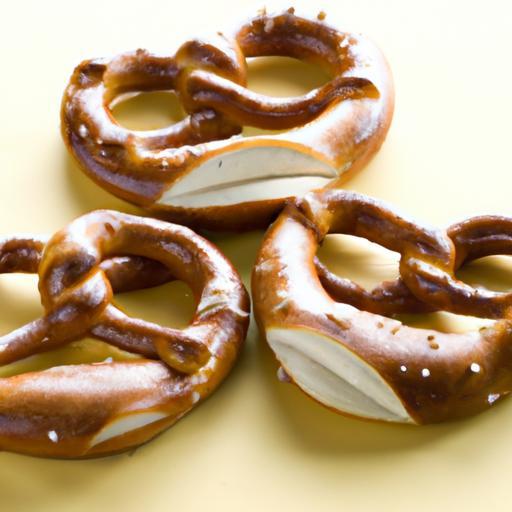
Long before the aroma of fresh baked goods filled bustling marketplaces or cozy kitchens, the humble soft pretzel was already weaving its way into the rich tapestry of German culture. with its iconic knotted shape-a curious twist of dough that seems to defy both gravity and convention-the soft pretzel is far more than a simple snack. It is indeed a living symbol of tradition, craft, and communal heritage. In “twisting Tradition: The Art and History of German Soft Pretzels,” we embark on a journey through centuries of craftsmanship, exploring how this golden, doughy marvel came to capture the hearts and taste buds of generations, becoming an enduring emblem of German identity. From ancient monasteries to modern bakeries, the story of the soft pretzel is a testament to the art of change-where humble ingredients and skilled hands come together to celebrate history in every warm, salty bite.
Twisting Tradition begins with embracing one of Germany’s most beloved culinary treasures: the soft pretzel. Its journey from humble medieval origins to a cherished symbol of German heritage is as rich and textured as its golden-brown crust. Weather enjoyed fresh at a bustling Bavarian market or crafted lovingly at home, soft pretzels offer a interesting glimpse into centuries of regional pride and artisanal skill.
Prep and Cook time
- Planning: 30 minutes
- Proofing: 1 hour 15 minutes
- Baking: 15 minutes
- Total Time: Approximately 2 hours
Yield
Makes 8 large, soft pretzels
Difficulty Level
Medium – ideal for bakers with some experience mastering dough rising and shaping techniques
Ingredients
- 4 cups all-purpose flour, sifted
- 1 tbsp granulated sugar
- 2 tsp fine sea salt
- 1 packet (2 1/4 tsp) active dry yeast
- 1 1/2 cups warm water (110°F/43°C)
- 2 tbsp unsalted butter, melted
- 10 cups water (for boiling)
- 2/3 cup baking soda (NaHCO₃)
- coarse sea salt for topping
Instructions
- Activate the yeast: In a small bowl, combine the warm water and sugar, sprinkle yeast on top, and let it dissolve. Wait 5-10 minutes until foamy and bubbly, indicating active fermentation.
- Mix the dough: In a large bowl,whisk together the flour and salt. Pour in the yeast mixture and melted butter. stir initially with a wooden spoon, then knead by hand or using a stand mixer fitted with a dough hook for 8-10 minutes, until smooth, elastic, and slightly tacky.
- First rise: Place the dough in a lightly oiled bowl, cover with a clean towel or plastic wrap, and let it rise in a warm spot for about 1 hour or until doubled in size.
- Preheat the oven and prepare boiling solution: Heat oven to 450°F (232°C). In a large, deep pot, bring 10 cups of water and the baking soda to a rolling boil. this alkaline water bath is key to developing the iconic pretzel crust and deep color.
- Shape the pretzels: Turn the dough onto a lightly floured surface and divide into 8 equal pieces. Roll each piece into a 20-inch rope. Form classic pretzel shapes by creating a “U,” twisting the ends twice, then folding down to stick at the base, pinching firmly.
- Bake the pretzels: Using a slotted spatula,carefully submerge each shaped pretzel into the boiling baking soda water for exactly 30 seconds.Remove, let excess water drip off, place on parchment-lined baking sheets, and sprinkle with coarse sea salt.
- Bake: Bake in the preheated oven for 12-15 minutes or until deep golden brown. Rotate sheets halfway for even browning.
- Cool and serve: Let pretzels cool on racks for 5 minutes to set their perfect chewy crust before serving.
Tips for Success: Crafting the Perfect Twist Techniques and Tips from Master bakers
- Temperature matters: Ensure your yeast water is warm but not hot to avoid killing the yeast – aim for about 110°F (43°C).
- Consistent shape: For uniform pretzels, gently roll dough ropes with even pressure. A light dusting of flour prevents sticking without drying the dough.
- Alkaline bath precision: Do not skip the baking soda bath-it’s critical for the distinctive mahogany color and subtle tang. Avoid soaking pretzels too long to prevent sogginess.
- Salt varieties: classic coarse sea salt works best, but experiment with flaky salts or pretzel salt for refined texture and visual appeal.
- Make ahead: Prepare dough up to two days in advance and refrigerate tightly covered. Let dough warm and rise before shaping.
Regional Variations and Their cultural Significance
Throughout Germany, the soft pretzel carries distinct regional signatures.In Bavaria, the Laugenbrezel is large, thick, and often enjoyed with Weißwurst and sweet mustard, symbolizing southern hospitality.Swabian pretzels tend to be smaller and more delicately twisted, reflecting the area’s meticulous craftsmanship. Each variation is a story unto itself, linking families and communities through shared breakfasts, festivals, and biergartens, where pretzels are more than food-they’re tradition handed down through generations.
Pairing Pretzels with Conventional German Foods and Beverages
Soft pretzels shine as versatile companions to a variety of classic german fare.Serve alongside creamy obatzda cheese or tangy mustard for authentic Bavarian flavors. Pairing with freshly brewed German-style lagers or wheat beers enhances their toasted sweetness and saltiness. For non-alcoholic options, try a crisp apple spritzer or rich dark-roast coffee, wich complement the pretzel’s warm, doughy richness. Garnish with fresh chives,or accompany with radish slices for vibrant color and contrast.
Nutritional Data
| Nutrient | Per Pretzel |
|---|---|
| Calories | 220 |
| Protein | 6g |
| Carbohydrates | 44g |
| Fat | 3g |

For those eager to explore more authentic German baking techniques, be sure to visit our related article on Authentic German Breads. For a deeper dive into the science behind pretzel making,the science of bread offers excellent resources on yeast fermentation and dough chemistry.
Q&A
Q&A: Twisting Tradition - The Art and History of German Soft Pretzels
Q1: What makes the German soft pretzel different from other types of pretzels?
A1: The German soft pretzel, or “Brezel,” is a appetizing blend of simplicity and tradition. unlike crunchy, bagel-like pretzels found elsewhere, the German soft pretzel boasts a chewy interior with a golden, glossy crust dusted with coarse salt. Its signature knot shape isn’t just for looks-it’s steeped in centuries of symbolism and regional pride, making each bite a piece of edible history.
Q2: Where and when did the soft pretzel originate?
A2: Legend credits monks in the early Middle Ages (around the 7th century) with inventing the pretzel. The distinctive knot was said to resemble folded arms in prayer,giving it the name “Brezel,” possibly derived from the Latin word bracellus,meaning little arms. from monasteries, the tradition spiraled outward, embedding the pretzel deeply in German culture by medieval times as a symbol of luck and prosperity.
Q3: What is the traditional process behind making German soft pretzels?
A3: Crafting the perfect German soft pretzel is a heritage art. First, a simple dough of flour, water, yeast, and salt is kneaded until smooth. Then comes the twist: the dough is hand-rolled into ropes and skillfully shaped into the iconic knot. Before baking,pretzels take a speedy dip in a baking soda bath-this alkalinity is the secret to their signature brown crust and unique flavor. a sprinkle of coarse salt and a hot oven create the magical golden finish.
Q4: Why is the baking soda bath so crucial?
A4: The baking soda bath is the alchemist’s touch in pretzel making. When boiled briefly in an alkaline solution, the dough develops a deeper Maillard reaction during baking. This transforms the crust into a glossy, richly browned exterior that contrasts beautifully with the soft interior. Without this step, you’d lose the pretzel’s trademark texture and taste.
Q5: How have German soft pretzels evolved over time?
A5: While traditional soft pretzels remain a beloved staple, innovation has twisted tradition in delightful ways. Today, pretzels appear in a variety of shapes, sizes, and flavors-from cheese-filled and seasoned varieties to sweet versions glazed with sugar or dipped in chocolate. Yet, despite modern reinventions, the classic pretzel’s cultural essence and artisanal technique remain cherished across Germany and beyond.
Q6: What cultural significance do pretzels hold in Germany today?
A6: Pretzels are more than snacks; they’re woven into German customs and celebrations. Whether handed out at Oktoberfest, enjoyed with mustard and Weisswurst in Bavaria, or sold by street vendors during Christmas markets, pretzels symbolize good luck, hospitality, and conviviality.Their enduring presence at communal tables continues to unite people, twisting tradition into every shared moment.
Q7: Can you suggest a simple way to enjoy a German soft pretzel authentically?
A7: Absolutely! The classic experience involves savoring a warm pretzel fresh from the oven, accompanied by a smear of sweet Bavarian mustard or a soft slice of Weisswurst sausage.pair it with a refreshing wheat beer,and you’ve captured a genuine taste of German heritage-comfort,flavor,and fellowship all rolled into one iconic knot.
Discovering the art and history behind German soft pretzels reveals more than a snack-it uncovers centuries of faith, craft, and community, all twisted lovingly into every golden loop. Next time you bite into a Brezel, you’re partaking in a delicious tradition that spans the ages.Guten Appetit!
Insights and Conclusions
From bustling Bavarian beer halls to cozy street markets, the humble German soft pretzel has twisted its way through centuries of culture, tradition, and flavor. More than just a snack, it embodies a rich tapestry of history-where ancient rituals meet modern palates. Whether enjoyed with a sprinkle of salt, a dab of mustard, or simply fresh from the oven’s warmth, the soft pretzel remains a delicious symbol of German heritage.As you savor its golden crust and tender embrace, you’re not just tasting dough; you’re biting into a story-a story of craftsmanship, community, and timeless tradition, forever shaped by the artful twist of a pretzel’s knot.