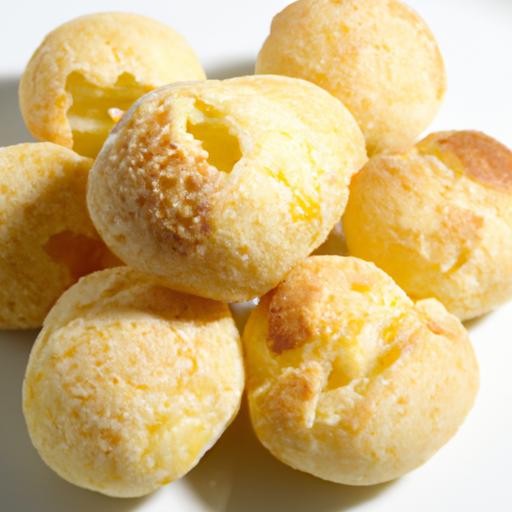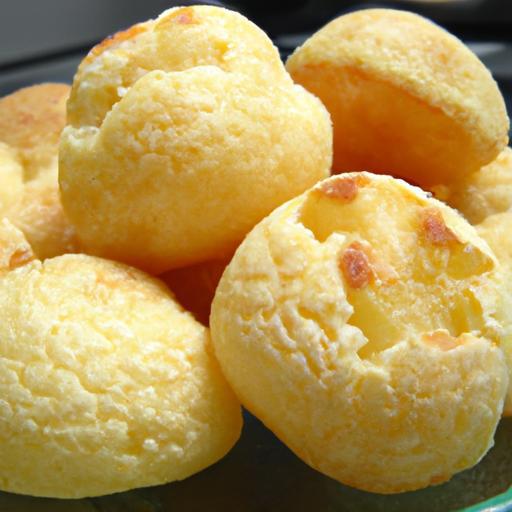
Nestled within the vibrant tapestry of Brazilian cuisine lies a small, golden treasure that has captivated taste buds around the world: the beloved pão de queijo. These irresistibly chewy, cheesy bread bites are more than just a snack-they are a cultural emblem, a warm embrace of comfort and tradition baked into every bite. From bustling street markets to elegant café tables, pão de queijo delights have a way of transcending simple ingredients, transforming into a sensory experience that tells a story of heritage, flavor, and the joyous spirit of Brazil. Join us as we explore the enchanting allure of this iconic treat and uncover what makes pão de queijo an enduring favorite that continues to charm hearts far beyond its South American roots.
The Origins and Cultural Significance of Brazilian Pão de Queijo
The Irresistible Charm of Brazilian Pão de Queijo begins with its rich history rooted deeply in Brazilian culinary tradition. These little cheese breads originated from the state of Minas Gerais in the 18th century, where resourceful bakers transformed locally available tapioca starch and cheese into a beloved snack. Originally a peasant bread,pão de queijo became a symbol of ingenuity and comfort,prized not only for its delightful taste but also its gluten-free nature-long before dietary trends embraced it.
This cheese bread carries cultural significance as a morning ritual and social glue across Brazilian households, cafes, and street vendors. Sharing hot, freshly baked cheese balls over strong Brazilian coffee is an act steeped in warmth and community. Today, it represents a national treasure, from small rural kitchens to cosmopolitan tables worldwide, capturing hearts with its crispy, cheesy exterior and chewy, airy inside.
Mastering the Art of Perfectly Crispy and Cheesy Pão de Queijo
The key to the irresistible charm of Brazilian pão de queijo lies in achieving that iconic texture: crunchy yet tender shells enveloping gooey, savory pockets of cheese. The magic unfolds through tapioca starch, which provides that uniquely elastic bite, paired with authentic Minas cheese or its closest substitutes. Mastery means balancing moisture, oven temperature, and dough consistency to coax out that perfect puff.
Prep and Cook Time
- Preparation: 15 minutes
- Resting time: 10 minutes
- Baking: 25 minutes
- Total Time: 50 minutes
Yield
Yields approximately 30 small cheese breads, perfect for sharing or serving as an appetizer for 6-8 people.
Difficulty Level
Easy to Medium: Ideal for beginners ready to explore conventional Brazilian flavors with just a handful of ingredients and straightforward technique.
Ingredients
- 2 cups tapioca starch (also called tapioca flour)
- 1 cup whole milk
- ½ cup vegetable oil (sunflower or canola works well)
- 1 teaspoon fine sea salt
- 2 large eggs
- 1½ cups grated Minas cheese (or a mild mozzarella and Parmesan blend)
Instructions
- Preheat your oven to 375°F (190°C). Line a baking sheet with parchment paper or a silicone mat.
- In a medium saucepan, combine milk, oil, and salt. Bring to a gentle boil over medium heat, stirring occasionally.
- Onc boiling,remove from heat and immediately add the tapioca starch,stirring vigorously until fully incorporated and smooth. The mixture will be thick and sticky.
- Transfer the slightly cooled dough to a large bowl. Add the eggs, one at a time, beating well after each addition to create a shiny, elastic batter.
- Fold in the grated cheese gently but thoroughly, ensuring an even cheesy distribution.
- Using a spoon or small ice cream scoop, drop golf ball-sized portions of dough onto the prepared baking sheet, spacing them about 2 inches apart.
- Bake for 20 to 25 minutes,or until the exterior is golden brown and crisp while the insides remain soft and chewy.
- Remove from oven and serve warm. The magic is in eating them fresh, where the cheese is melted inside and the crust is perfectly toasted.
Chef’s Notes: Tips for Success
- Use fresh tapioca starch for best puffiness and texture. If unavailable, tapioca flour is fine but ensure it’s pure.
- For authentic flavor, Minas cheese is ideal, but a combo of mozzarella for meltiness and Parmesan for sharpness works beautifully.
- Do not overmix the dough once the eggs are added-just combine until smooth to keep a light structure.
- Room temperature ingredients help incorporate eggs evenly, preventing clumping.
- If you want a crispier shell, avoid overcrowding the baking tray and rotate halfway through baking.
- Make-ahead option: Shape dough balls and freeze on a baking sheet. Bake straight from frozen adding 5 extra minutes to baking time.
Exploring Flavor Variations and Complementary pairings
Elevate the irresistible charm of Brazilian pão de queijo by experimenting with different cheeses such as smoked provolone or sharp cheddar for a twist. Incorporating finely chopped herbs like rosemary or chives adds an aromatic layer. For a spicy kick, fold in a pinch of smoked paprika or mild chili flakes.
These cheese breads pair beautifully with Brazilian coffee or a fruity herbal tea. For savory appeal, serve alongside tomato chutney, guava paste, or a simple garlic aioli. Brunch lovers can enjoy them with avocado slices or as a side to fresh fruit bowls.
Tips for Baking Pão de Queijo at Home Like a Brazilian Chef
Impress your guests by following these insider secrets that bring the irresistible charm of Brazilian pão de queijo to your home kitchen. Always preheat your oven thoroughly and allow the dough to rest briefly post mixing-this helps hydrate the starch fully.Use parchment paper to keep bottoms from sticking and baking evenly.
For consistent sizes and even baking, use a small cookie scoop or wet your hands before shaping dough balls. Avoid opening the oven to early to prevent collapse of the airy texture inside. Serve immediately and savor the warm aroma that fills your kitchen-this is when pão de queijo shines brightest!
| Nutrition (per piece) | Amount |
|---|---|
| Calories | 75 kcal |
| Protein | 2 g |
| Carbohydrates | 8 g |
| Fat | 4 g |

Discover more authentic Brazilian recipes in our Brazilian Cuisine Guide, or learn about the history of tapioca starch on Britannica.
Q&A
Q&A: The Irresistible Charm of Brazilian Pão de Queijo Delight
Q: What exactly is Pão de Queijo?
A: Pão de Queijo, literally “cheese bread” in Portuguese, is a beloved Brazilian snack-golden, chewy, and delightfully cheesy. Made primarily from tapioca flour and cheese, these little puffs are naturally gluten-free and have a uniquely airy texture that’s both crispy on the outside and soft inside. They’re the perfect bite-sized comfort food loved across Brazil and beyond.
Q: Where did Pão de Queijo originate?
A: This charming treat hails from the state of Minas Gerais in southeastern Brazil. Its roots date back to the 18th century, when local bakers used cassava starch (tapioca) and leftover cheese to create an inexpensive, filling food. Over time, it became a staple, symbolizing warmth, heritage, and communal sharing.
Q: What makes Pão de Queijo so irresistibly tasty?
A: The magic is in the simplicity and harmony of ingredients. Tapioca flour gives it that distinctive chewy elasticity, while the melted cheese infuses every bite with a savory richness. When baked just right, the crust cracks open to reveal an aromatic cheesy cloud that melts in your mouth. It’s a perfect dance of texture and flavor that delights the senses.
Q: Is Pão de Queijo tough to make at home?
A: Surprisingly, no! While it may seem exotic, the recipe is rather straightforward and forgiving. With tapioca flour, eggs, milk, oil, and cheese (traditionally Minas cheese, but mozzarella or Parmesan work too), you can whip up a batch quickly. The key is in mixing the dough to achieve a slight stickiness and baking at a high temperature to get that quintessential puff and golden crust.
Q: How is Pão de Queijo typically enjoyed in Brazil?
A: Brazilians savor Pão de Queijo any time of day-breakfast, snack, or accompaniment to coffee or tea. Street vendors,bakeries,and homes alike offer fresh batches steaming hot. It’s frequently enough the highlight of a casual gathering, embodying hospitality and simple pleasures.
Q: Can Pão de Queijo be adapted for different tastes or dietary needs?
A: absolutely! While the classic version centers on cheese, some creative spins include adding herbs, spices, or even stuffing them with fillings like ham or sweet guava paste. Since tapioca flour is gluten-free, it naturally suits those with gluten sensitivities. Vegans might experiment with plant-based cheese substitutes,though the traditional cheesy flavor is key to its authentic charm.
Q: Why has Pão de Queijo gained international popularity?
A: In a world hungry for unique flavors and comforting snacks,Pão de Queijo stands out for its simplicity,natural ingredients,and striking texture. Its gluten-free nature adds to its appeal, while its cultural story enchants food lovers seeking authentic culinary experiences. From Brazilian street fairs to gourmet cafes worldwide, this humble cheese bread continues to win hearts.
Q: Any tips for enjoying Pão de Queijo at its best?
A: Yes! Always eat it fresh and warm, straight out of the oven or toaster-warmth amplifies its aroma and gooey texture. Pair it with a strong Brazilian coffee or a refreshing guava juice for a truly immersive taste adventure. And if you can,share it-since Pão de Queijo’s real charm lies not only in flavor but in bringing people together.
To Wrap It Up
In the grand tapestry of global cuisine, Brazilian pão de queijo shines as a delightful thread woven with simplicity and flavor. This humble cheese bread,with its golden crust and irresistibly chewy interior,offers more than just a taste-it carries a story of tradition,culture,and joy in every bite. Whether enjoyed fresh from the oven at a bustling café or savored slowly amidst the warmth of family gatherings, pão de queijo invites us all to experience a little piece of Brazil’s heart. As you explore its charm, may you find not only a new favorite snack but also a deeper gratitude for the rich culinary heritage that makes every morsel truly unforgettable.