There’s a certain magic in flipping the ordinary on its head-sometimes quite literally.enter the tarte Tatin: a captivating French dessert that marries caramelized fruit with buttery pastry in a dazzling upside-down dance. Behind its glossy, amber-hued surface lies a story as rich and layered as its flavors, blending accident, tradition, and a touch of culinary daring. In “Tarte Tatin Unveiled: The Sweet secret of Upside-Down charm,” we journey beyond the glossy crust and tender apples to explore the history, technique, and timeless appeal of this inverted icon, revealing why it continues to enchant palates and inspire chefs around the world.
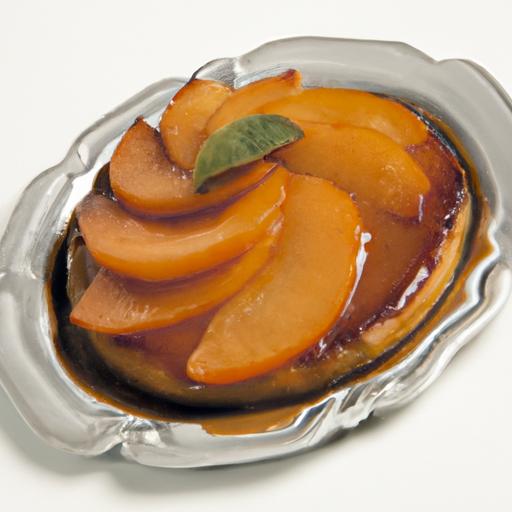
Tarte Tatin is a quintessential French dessert that captures the magic of caramelized fruit paired with buttery, crisp pastry. Rooted in an enchanting origin story from the Lamotte-Beuvron region of France,its charm lies in the unexpected transformation of humble apples into a spectacular upside-down tart. The secret to elevating this classic lies within the meticulous mastery of caramelization, crafting each apple slice into a jewel-encrusted slice of sweetness that boasts both depth and complexity. This dish invites home cooks and seasoned bakers alike to embark on a culinary journey that honors tradition while delivering irresistible flavor and texture.
Prep and Cook Time
- Readiness: 20 minutes
- cooking: 35 minutes
- Total Time: 55 minutes
Yield
- serves 6
Difficulty Level
- Medium
Ingredients
- 6 large apples (firm and tart varieties such as Granny Smith, Braeburn, or Pink Lady)
- 1 cup granulated sugar
- 6 tbsp unsalted butter, diced and chilled
- 1 tsp pure vanilla extract
- 1 tsp ground cinnamon (optional, for warm spice note)
- 1 cup all-purpose flour, sifted
- 1/4 cup powdered sugar
- 1/4 tsp salt
- 6 tbsp cold water
Instructions
- Prepare the pastry: In a mixing bowl, combine the all-purpose flour, powdered sugar, and salt. Add the cold butter cubes and gently rub them between yoru fingertips until the mixture resembles coarse breadcrumbs. Slowly add cold water, stirring until the dough just comes together. Shape into a disk, wrap in plastic, and chill for at least 30 minutes.
- Choose and prepare apples: Peel and core the apples, then cut them into halves or quarters, depending on size, ensuring uniform thickness for even cooking and caramelization.
- Create the caramel base: In a heavy-bottomed, ovenproof skillet (ideally 9-10 inches), sprinkle the granulated sugar evenly over medium heat. Allow it to melt without stirring for 4-5 minutes, occasionally swirling the pan gently until it turns a rich amber colour.
- Add butter and vanilla: Remove the skillet from heat briefly and carefully stir in the chilled butter and vanilla extract.The mixture should bubble up-this luscious caramel is the heart of your tart’s glossy finish.
- Arrange the apples: Working quickly, place the apple pieces cut-side up snugly into the caramel in a circular pattern. Sprinkle the cinnamon evenly if using. Return to medium heat and cook for 15 minutes, spooning caramel over the apples occasionally to deepen color and glaze them beautifully.
- Preheat the oven: While the apples caramelize, set your oven to 375°F (190°C).
- Cover with pastry: Roll out the chilled dough on a lightly floured surface to a 12-inch circle. Carefully lay the pastry over the apples, tucking the edges down between the fruit and the skillet sides.
- Bake: Transfer the skillet to the oven and bake for 25 minutes, or until the pastry is golden and crisp. Keep an eye so it doesn’t over-brown.
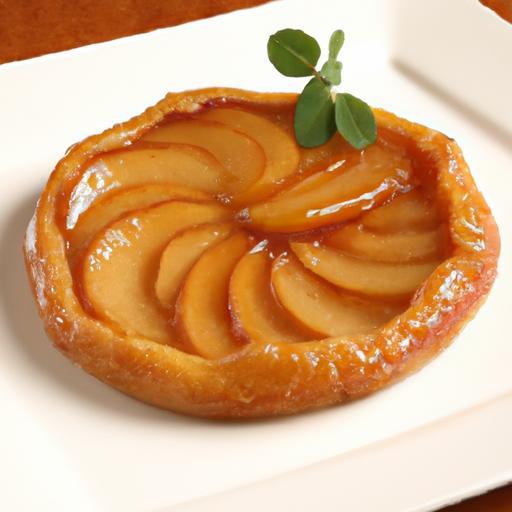
- Invert and serve: Allow the tart to cool for 5 minutes, then place a large plate inverted over the skillet. Using oven mitts,carefully flip the tart and remove the skillet. The caramel-glazed apples should now crown the crisp, buttery crust perfectly.
Tips for Success: Mastering the Art of Caramelization
- Use a heavy,ovenproof skillet to ensure even heat distribution and easy transfer from stovetop to oven.
- Watch the sugar closely while caramelizing; it can go from golden to burnt quickly. Swirling, not stirring, avoids crystallization.
- Chilled butter incorporated into the caramel creates layers of richness and an irresistibly glossy texture.
- Opt for firm apples to avoid the tart turning mushy; a combination of sweet and tart varieties balances flavor complexity.
- Letting the tart cool briefly before inverting ensures the caramel sets firmly but still melts in your mouth.
Serving Suggestions
Serve the tarte tatin warm, ideally with a scoop of vanilla bean ice cream or a dollop of lightly whipped cream to complement the luscious caramelized apples. Garnish with fresh thyme leaves or a sprinkle of toasted almonds for an elegant touch that contrasts the tart’s silky sweetness. For a festive presentation,drizzle a thin stream of homemade caramel sauce or dust lightly with powdered sugar just before serving.
| Nutrient | Amount per Serving |
|---|---|
| Calories | 350 kcal |
| Protein | 3 g |
| Carbohydrates | 55 g |
| Fat | 12 g |
For those eager to explore more classic French desserts and techniques, don’t miss our comprehensive guide to French patisserie. For detailed insights on apple varieties and their flavor profiles, check out Harvard’s Nutrition Source article.

Q&A
Q&A: Tarte Tatin Unveiled – The Sweet Secret of Upside-Down Charm
Q1: What exactly is a Tarte Tatin?
A1: Imagine a dessert born from a happy kitchen accident-caramelized apples melting atop buttery, golden pastry, baked upside-down, and flipped before serving. That’s Tarte Tatin, a classic French tart celebrated for its glossy caramel glaze and enchanting balance of sweet and tart.
Q2: How did the Tarte Tatin get its name and upside-down style?
A2: The tale goes back to the late 19th century at the Hotel Tatin in Lamotte-Beuvron, France, where the Tatin sisters-Stéphanie and Caroline-accidentally baked their apple tart upside-down. Rather than discard it,they flipped the pan over,unveiling a stunning caramelized crown. The upside-down approach not only saved the dessert but redefined it.
Q3: Why is caramelization so crucial in a Tarte tatin?
A3: Caramelization is the heart and soul of Tarte tatin. When sugar and butter gently brown with apples, they create a rich, amber luster that delivers deep, complex flavors-sweet yet slightly smoky. This process transforms humble apples into something truly magical when paired with flaky pastry.
Q4: which apples work best for making a Tarte Tatin?
A4: Firm, tart apples with a hint of natural sweetness are ideal-think Granny Smith, Braeburn, or Pink Lady. Their tartness cuts through the caramel’s richness, and their sturdy texture ensures the slices hold their shape after baking, preserving that signature balance of texture.
Q5: Can Tarte Tatin be made with fruits other than apples?
A5: Absolutely! While apples reign supreme, pears, peaches, and even pineapples can don the Tarte Tatin crown. Each fruit brings its unique twist: pears offer delicate sweetness, peaches add summer warmth, and pineapples lend a tropical tang wrapped in luscious caramel.
Q6: what’s the secret to flipping the Tarte Tatin perfectly?
A6: Timing and confidence are key. Right out of the oven, while the caramel is still molten and the pastry crisp, place a serving plate on top of the tart pan. Then, in one swift, bold motion, flip the pan and plate together so the tart lands topping-up. This reveals the glistening caramelized fruit in all its glory.
Q7: How has Tarte Tatin influenced modern pastries and desserts?
A7: Tarte Tatin’s dramatic presentation and flavor fusion have inspired countless reinterpretations-from mini tarts and individual ramekin versions to ice cream and cocktail flavors. Its essence-the beauty of caramelized fruit atop crisp pastry-continues to enchant pastry chefs and home cooks alike.
Q8: Can beginners try making Tarte Tatin at home?
A8: Definitely! With a few tips-like choosing the right apples, gently caramelizing sugar, and handling the flip carefully-home cooks can recreate this upside-down charm.Plus, the hands-on process makes it a delightful culinary adventure.
Q9: What makes tarte Tatin more than just a dessert?
A9: Beyond its taste, Tarte Tatin tells a story of serendipity, creativity, and French culinary tradition. It embodies the idea that sometimes, the sweetest success comes from turning things upside down-literally-and embracing the unexpected.
Q10: Where should one enjoy a truly authentic Tarte Tatin?
A10: While you can find versions worldwide, savoring a Tarte Tatin in its birthplace-central France-adds an extra layer of charm. Pair it with a dollop of crème fraîche or a scoop of vanilla ice cream, and you’re tasting history wrapped in caramel and crust.
To Conclude
As the final slice of Tarte Tatin reveals its glistening, caramel-kissed layers, we uncover more than just a dessert - we discover a story of serendipity, tradition, and timeless French flair. this upside-down charm continues to captivate palates and inspire bakers worldwide, inviting us to savor not only its rich flavors but the sweet secret behind its creation. Weather enjoyed in a Parisian bistro or homemade in a cozy kitchen, the Tarte Tatin remains a appetizing reminder that sometimes, turning things on their head leads to the most delightful results.