In the vast and delicious world of cookies, few treats evoke as much warmth and nostalgia as the beloved snickerdoodle. With its perfect balance of cinnamon and sugar,a tender,buttery bite,and a crackled,golden surface,this classic cookie has quietly woven itself into the fabric of kitchen traditions across generations. But beyond its simple ingredients and comforting flavor lies a interesting story-one filled with quirky origins, culinary evolution, and sweet secrets waiting to be uncovered. Join us as we peel back the layers of the snickerdoodle’s past, exploring how this humble cookie rose to iconic status and continues to capture hearts (and taste buds) around the world.
Snickerdoodle Secrets captivate through their delightful blend of simplicity and that unmistakable cinnamon sugar kiss. This cookie,beloved for its crackly crust and soft,buttery center,carries a heritage as warm as the spices it boasts. Rooted in early American and european baking traditions, the snickerdoodle’s charm lies not only in its inviting aroma but also in its nostalgic ability to bridge generations and celebrations alike.
Origins and Traditions Behind the Snickerdoodle’s Timeless Charm
The snickerdoodle’s history stretches back to German settlers who introduced the cookie to America in the 18th century. The name itself is thought to derive from the German word “Schnickeldoodle,” a playful term for something whimsical or silly, fitting for a cookie that feels like a childhood indulgence. Traditionally, these cookies were cherished for their simple ingredients and comforting spice profile, which symbolized warmth and home during cold winter months. Families have passed down recipes that emphasize a slightly tangy note from cream of tartar, setting snickerdoodles apart from ordinary sugar cookies and anchoring their distinctive texture and flavor in baking lore.
The Science of Cinnamon Sugar: Perfecting the Cookie’s Signature Coating
Creating the perfect cinnamon sugar coating is an art as much as a science. The balance between cinnamon’s aromatic heat and sugar’s crystalline crunch defines the cookie’s first impression. Fine granulated sugar clings to the dough surface,caramelizing ever so gently during baking to craft a thin,crackled shell that contrasts the soft interior. To maximize this effect, it’s essential to roll chilled cookie dough balls generously but lightly in the cinnamon sugar mix, ensuring even coverage without oversaturation. This delicate balance enhances Maillard reactions during baking, creating a richly flavored outer crust that “snaps” with every bite while unveiling a tender crumb beneath.
Ingredient Insights for Achieving the ideal Snickerdoodle Texture
- All-purpose flour: provides structure; a precise measurement ensures cookies that hold their shape without becoming dense.
- Cream of tartar: the secret agent that imparts a subtle tang, gives leavening, and yields that iconic chewy yet soft texture.
- Baking soda: synergizes with cream of tartar to give a tender crumb and slight lift.
- Butter: use unsalted and softened for richness and moisture; its fat content influences spread and mouthfeel.
- Granulated sugar: sweetens and participates in caramelization for the exterior shell.
- Eggs: bind ingredients and add moisture, crucial for the cookie’s tender crumb.
- Cinnamon: fresh ground or high-quality ground enhances the signature spicy warmth without overpowering.
Expert Tips and Techniques to Bake Snickerdoodles Like a Pro
- Chill the dough: Refrigerate your cookie dough for at least 1 hour. Cold dough reduces spread and deepens the cinnamon sugar crust.
- Even rolling: Roll the dough into uniform balls (about 1.5 tablespoons each) to ensure cookies bake evenly.
- Generous cinnamon sugar coating: Mix cinnamon and sugar fresh before rolling to keep flavors vibrant and coating crisp.
- Perfect baking temperature: Bake at 350°F (175°C) for 10-12 minutes until edges are set but centers remain soft. They’ll firm up as they cool.
- Rest on baking sheet: Allow cookies to cool 5 minutes before transferring to a wire rack to maintain moisture inside and crisp edges outside.
Prep and Cook Time
- Prep Time: 15 minutes plus 1 hour chilling
- Cook Time: 10-12 minutes per batch
Yield
Approximately 24 medium-sized snickerdoodles
Difficulty Level
easy – Perfect for beginner and experienced bakers alike
Ingredients
- 2 ¾ cups all-purpose flour, sifted
- 2 teaspoons cream of tartar
- 1 teaspoon baking soda
- ½ teaspoon fine salt
- 1 cup unsalted butter, softened
- 1 ½ cups granulated sugar, divided
- 2 large eggs
- 2 teaspoons ground cinnamon (freshly ground preferred)
Instructions
- Preheat your oven to 350°F (175°C) and line baking sheets with parchment paper.
- In a medium bowl, whisk together the flour, cream of tartar, baking soda, and salt. Set aside.
- in a large bowl, beat the butter and 1 cup of sugar until light and fluffy, about 3-4 minutes using a handheld or stand mixer on medium speed.
- Add the eggs one at a time, mixing well after each addition, ensuring a smooth, creamy batter.
- Gradually mix the dry ingredients into the wet, stirring just until combined to avoid overworking the dough.
- Cover the dough and chill for at least 1 hour to firm up and enhance flavor.
- Combine the remaining ½ cup sugar with the cinnamon in a shallow bowl.
- Roll chilled dough into 1.5-tablespoon balls. Roll each ball thoroughly in the cinnamon sugar, ensuring an even coating.
- Place dough balls 2 inches apart on prepared baking sheets to allow spreading.
- Bake for 10-12 minutes or until edges are set and centers look slightly underbaked. Avoid overbaking to maintain softness.
- Let cookies rest on the baking sheet for 5 minutes, then transfer to a wire rack to cool completely.
Tips for Success
- Substitution note: For a dairy-free option, swap butter for an equal amount of coconut oil or vegan butter.
- Flavor variation: Add a pinch of nutmeg or cardamom to the cinnamon sugar for a warm spice twist.
- Storage: Store cookies in an airtight container at room temperature for up to 5 days. Freeze dough balls for up to 3 months - bake directly from frozen adding 1-2 minutes to bake time.
- Texture troubleshooting: If cookies spread too thin, chill dough longer or reduce butter slightly.
Serving Suggestions
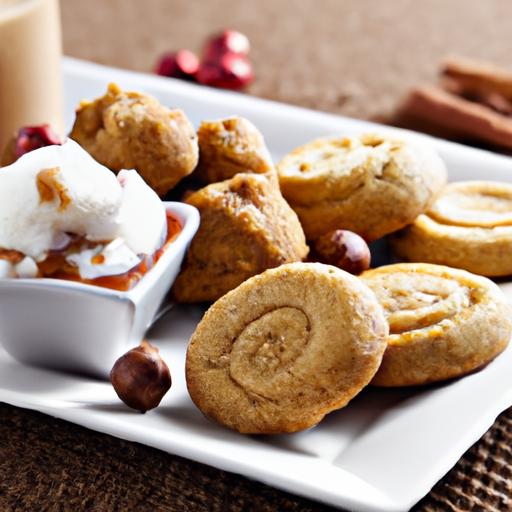
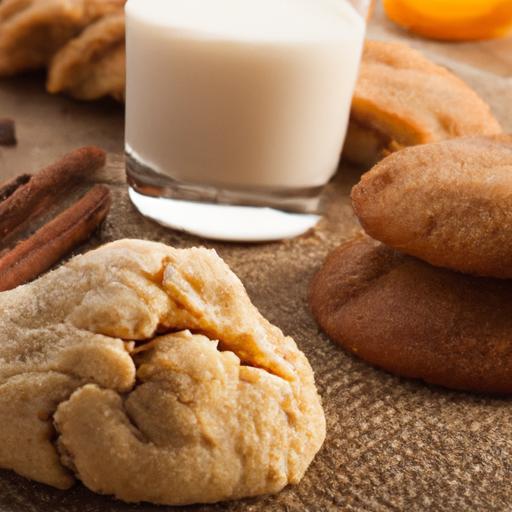
Arrange these iconic cookies on a rustic wooden board alongside a steaming cup of chai latte or rich hot chocolate for maximum cozy appeal. Garnish plates with a sprinkle of extra cinnamon sugar and whole cinnamon sticks to amplify sensory experience. For parties, pair snickerdoodles with vanilla bean ice cream sandwiches or serve with a drizzle of caramel sauce for an indulgent treat.
| Nutrient | Per Cookie (approx.) |
|---|---|
| Calories | 120 kcal |
| Protein | 1.5 g |
| Carbohydrates | 18 g |
| Fat | 5 g |

For more comforting cookie recipes and baking tips,check out our collection of american cookie classics. Expand your flavor knowledge and technique by visiting King Arthur Baking’s official Snickerdoodle guide for trusted expert insights.
Q&A
Q&A: Snickerdoodle Secrets – The Classic Cookie’s Sweet Story
Q1: What exactly is a snickerdoodle?
A1: At its core, a snickerdoodle is a soft, chewy cookie known for its cinnamon-sugar coating and slightly tangy flavor. Unlike your average sugar cookie, it boasts a crackled top and a subtle hint of cream of tartar, which gives it that signature tang and tender texture.
Q2: Where did snickerdoodles originate?
A2: Snickerdoodles have roots shrouded in delightful mystery.Many believe they trace back to early German settlers in New England, with the name possibly deriving from the German word “Schneckennudel,” a type of cinnamon-swirled pastry. Over time, the recipe evolved into the beloved cookie we know today.
Q3: What makes snickerdoodles different from other cinnamon cookies?
A3: Besides that irresistible cinnamon-sugar coating, snickerdoodles are distinguished by their tangy undertone, thanks to cream of tartar and baking soda. This not only adds a subtle flavor twist but also gives the cookie its signature soft chew and cracked surface.
Q4: Are there any secret ingredients or techniques to making the perfect snickerdoodle?
A4: The “secret” lies in balance and timing. Creaming the butter and sugar just right ensures a tender crumb, while rolling dough balls generously in cinnamon-sugar before baking creates that iconic crackled, spiced crust. Also,don’t underestimate the magic of cream of tartar-it’s the unsung hero that makes snickerdoodles uniquely snickerdoodley!
Q5: How have snickerdoodles influenced modern baking or pop culture?
A5: Snickerdoodles have rolled delightfully into modern baking trends-from snickerdoodle-flavored lattes to ice creams and even pie crusts! Their nostalgic appeal evokes cozy memories and holiday cheer,cementing their place as a perennial favorite in bakeries and home kitchens alike.Q6: Can snickerdoodles be customized or adapted for dietary preferences?
A6: Absolutely! Vegans swap butter for plant-based oils and use flax eggs, while gluten-free flour blends keep the texture just right. Experimenting with spices-like adding a pinch of nutmeg or cardamom-or infusing the sugar coating with zest can also reinvent this classic while honoring its heritage.
Q7: Why do snickerdoodles continue to captivate cookie lovers after all these years?
A7: It’s that perfect blend of simplicity, spice, and a touch of tang that keeps snickerdoodles timeless. They’re more than just cookies; they’re edible stories of heritage,comfort,and sweet indulgence wrapped in cinnamon-sugar magic. Each bite is a nostalgic hug straight from the oven.
In summary
As the cozy aroma of cinnamon and sugar lingers in the air, the snickerdoodle reveals itself as more than just a beloved cookie-it’s a sweet testament to the enduring charm of simplicity and tradition. Behind its crackly exterior lies a story rich with history, culture, and a sprinkle of mystery, inviting each baker to add their own twist to the classic recipe. Weather enjoyed fresh from the oven or savored with a glass of milk, the snickerdoodle remains a timeless favorite, reminding us that sometimes, the sweetest stories are found in the most unassuming treats. So next time you bite into one, remember: you’re tasting a delicious piece of history, lovingly rolled in sugar and spun from generations past.