There’s an unmistakable magic in a velvety, rich gravy that cascades effortlessly over your favorite dishes, transforming every bite into a comfort-filled experience. Yet, for many home cooks, achieving that perfectly smooth, lump-free gravy can feel like an elusive culinary triumph. From hurried stirring to unpredictable thickening, the journey to gravy greatness is peppered with common pitfalls. In this article, we’ll unravel the secrets behind mastering the art of lump-free gravy-sharing expert tips, foolproof techniques, and the science that ensures your sauce glides flawlessly every time. Get ready to elevate your meals with smooth moves that turn simple gravy into an unforgettable masterpiece.
Choosing the Perfect Thickening Agent for Silky Smooth Gravy
Smooth Moves is all about mastering the delicate art of achieving lump-free gravy with a texture so velvety it practically melts on your tongue. The foundation of impeccable gravy lies in selecting the right thickening agent-a choice that defines consistency,flavor absorption,and overall mouthfeel. Common options include all-purpose flour, cornstarch, arrowroot powder, potato starch, or even nut-based thickeners for gluten-free creations. Each brings a unique personality to the table:
- All-purpose flour: Classic and reliable, it creates a rich, hearty body when cooked properly. Ideal for conventional gravies were a deep, toasted flavor enhances the profile.
- Cornstarch: Delivers a brilliant, glossy finish with a slightly lighter texture, perfect for lighter sauces but needs careful heat control to avoid breakage.
- arrowroot powder: A natural,gluten-free choice offering clarity and shine. It thickens quickly and maintains consistency even when reheated.
- Potato starch: Works similarly to arrowroot but with a slightly thicker finish, suited for gravies served warm, not long over heat.
When choosing your thickener, consider the gravy base, reheating needs, and your desired mouthfeel. For hearty beef or mushroom gravies, flour works beautifully; for delicate chicken or vegetable gravies, arrowroot or cornstarch create elegance.
Techniques to Prevent Lumps from Forming During Cooking
lumps are the arch enemy when aiming for seamless gravy perfection. The best way to avoid these culinary culprits is mastering the mixing technique and temperature control. Start by creating a roux-a blend of fat and flour-by gently cooking equal parts butter or oil and flour until golden and nutty, which enhances flavor complexity. Alternatively, dissolve your starch in cold liquid to form a slurry before adding it gradually to simmering broth. This avoids sudden clumps caused by hot liquid hitting dry starch directly.
Constantly whisk with a balloon whisk or fork while gradually adding your thickener to hot stock.Patience is key; adding the thickener slowly while stirring keeps the mixture smooth and cohesive. Remember to keep your heat at medium to low to prevent rapid coagulation of starch and burning, which causes texture faults and bitter notes.
Secrets to Achieving the Ideal consistency and Flavor Balance
The hallmark of a stand-out gravy resides in its balance.The texture should neither be too runny nor overly stiff-think lavish silk that clings gracefully to your favorite roast or mashed potatoes. Adjust thickness by gradually adding broth or thin it out with a splash of unsalted stock if it thickens too fast.
Flavor balance is equally important. Salt intensifies, pepper adds warmth, but fresh herbs like thyme or rosemary lend aromatic depth without overpowering. Incorporate umami boosts such as mushroom powder or sautéed shallots to elevate complexity naturally. always taste as you go, allowing time for the gravy to simmer and harmonize.
Troubleshooting Common Gravy Mistakes for Flawless results
- Lumps forming despite precautions: Strain your gravy through a fine-mesh sieve or blend briefly with an immersion blender to restore silkiness.
- Too thick or pasty consistency: Stir in warm broth a tablespoon at a time until desired pourable texture is reached.
- Thin and watery gravy: Let it simmer uncovered to reduce gently, or whisk in a bit more roux or slurry-adding gradually to prevent clumps.
- Bland flavor: Layer seasoning incrementally,incorporating savory accents such as mustard,Worcestershire sauce (ensure it’s free of pork byproducts),or a touch of balsamic vinegar for brightness.
- Burnt or bitter notes: lower your heat and cook roux patiently-never rush this step, as burnt flour is the key culprit for bitterness.
Prep and Cook Time
- Prep Time: 10 minutes
- Cook Time: 15 minutes
- Total Time: 25 minutes
Yield
Serves approximately 4 generous portions
Difficulty Level
Easy to Medium – Ideal for chefs seeking confidence in classic sauce mastery
Ingredients
- 3 tbsp unsalted butter
- 3 tbsp all-purpose flour, sifted
- 2 cups vegetable or beef broth, preferably homemade or low-sodium
- 1 small shallot, finely minced
- 1 tsp fresh thyme leaves (or ½ tsp dried thyme)
- Salt and freshly ground black pepper, to taste
- Optional: 1 tsp mushroom powder for umami boost
Instructions
- Start by melting the butter in a medium saucepan over medium-low heat.add the finely minced shallots and sauté until translucent and fragrant, about 3 minutes.
- Sprinkle in the flour and whisk continuously to form a roux.Cook for 4-5 minutes, until the mixture turns a warm golden-brown color and has a nutty aroma-this enhances flavor while eliminating raw flour taste.
- Slowly pour in the broth in a thin stream while whisking vigorously to prevent lumps from forming. Continue whisking until the mixture thickens, about 5 minutes.
- Stir in the thyme and mushroom powder, if using. Reduce heat to low and simmer gently, uncovered, for another 5 minutes to let flavors deepen and gravy thicken.
- Season with salt and pepper cautiously,tasting as you go. Remove from heat once the desired consistency and seasoning balance are achieved.
Chef’s Notes: Tips for Success
- use cold broth when making a starch slurry alternative to roux for quicker, lighter gravy.
- If using cornstarch or arrowroot, dissolve 1 tbsp starch into 2 tbsp cold broth before whisking into hot liquid. Avoid boiling after adding arrowroot.
- For a vegan version, substitute butter with olive oil or vegan margarine and use vegetable broth.
- To keep gravy warm and smooth during serving, place the pot over very low heat and stir occasionally.
- Make-ahead tip: Gravy thickens when chilled-reheat gently with a splash of broth or water to restore silkiness.
Serving Suggestions
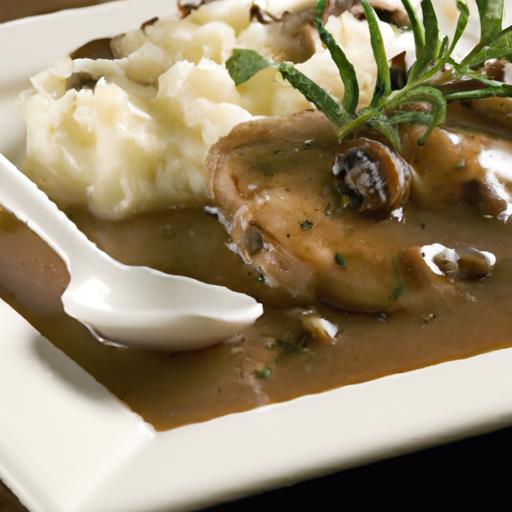
Serve this luscious gravy poured generously over creamy mashed potatoes, roasted root vegetables, or a hearty mushroom and lentil loaf.Garnish with fresh thyme sprigs or finely chopped chives for a burst of color and fragrant appeal. Pairing with a rustic country bread or savory herb biscuits elevates the meal, turning every forkful into an indulgent experience.
| Nutritional Information (per serving) | Calories | Protein | Carbohydrates | Fat |
|---|---|---|---|---|
| Gravy Made with Butter and Flour | 120 | 2g | 10g | 7g |

For more on how to create impeccable sauces,check out our in-depth guide on roast chicken with homemade gravy.To deepen your sauce-making expertise, explore Serious Eats’ complete gravy techniques for science-backed insights.
Q&A
Q&A: Smooth Moves – Mastering the Art of Lump-Free Gravy
Q1: Why does gravy sometimes turn out lumpy, and how can I prevent it?
A1: Lumps in gravy usually form when flour or starch isn’t fully incorporated before the liquid is added or heated. The starch granules clump together, creating unwanted chunks. to prevent this, always whisk the flour into fat frist-creating a smooth roux-or blend the starch with a small amount of cold liquid before adding it to hot broth. Constant stirring and gradual liquid addition are key to silky slip.
Q2: What’s the difference between using a roux and a slurry for gravy?
A2: A roux is equal parts fat and flour cooked together, serving as a flavor base with thickening power, while a slurry is starch (like cornstarch or flour) mixed with cold liquid, added later to thicken. Roux offers a nutty depth and richer texture; slurry is quicker and lighter but can sometimes be less flavorful if not combined thoughtfully. For lump-free texture, both require thorough mixing and gradual incorporation.
Q3: Can I rescue gravy that’s already lumpy?
A3: Absolutely! Don’t toss it-try straining the gravy through a fine mesh sieve to remove lumps. Alternatively, blend lumps away with an immersion blender or vigorously whisk while heating gently. If it’s too thick post-fix, add a splash of warm broth or stock to smooth it out.
Q4: What’s the role of temperature when making gravy?
A4: Temperature is your silent partner in smooth gravy.Cold liquid ensures starch disperses evenly when creating a slurry, while moderate heat helps activate thickening without shocking starch into clumping.Too-hot liquids or sudden heat changes can cause rapid gelatinization of starch granules, creating lumps. Patience and gentle warming are your friends here.
Q5: Are there any creative twists to make my gravy both smooth and exciting?
A5: Definitely! Infuse your roux with browned shallots or garlic, splash in a bit of wine or balsamic for depth, or finish with fresh herbs and a dollop of crème fraîche for silkiness. Just remember that no matter how fancy the flavor profile, the foundation is a lump-free texture-so keep those whisking muscles flexed.
Q6: Is handheld whisking the best way to ensure lump-free gravy, or are there other tools I can use?
A6: While a whisk is a trusty classic for beating lumps, you can also use a fork for small batches or an immersion blender for ultra-smooth results. Some chefs swear by a balloon whisk for maximum air incorporation,but the secret weapon is combining steady stirring with gradual liquid addition. Remember, frantic whisking after lumps form tends to be less effective than preventing them altogether.
Q7: What’s the magic ratio of flour to fat for a perfect roux and lump-free gravy?
A7: The golden rule is equal parts by weight-commonly 1:1 flour to fat,such as butter or drippings. This balance coats starch granules fully, allowing smooth dispersion into liquids and preventing lumps.Going too heavy on flour can create a gluey mess, while too little reduces thickening power. Measure,melt,whisk,and watch your gravy bloom!
with these smooth moves in your culinary arsenal,say goodbye to stubborn lumps and hello to gravy that glides like silk over your favorite dishes!
In Summary
As you perfect the art of crafting lump-free gravy,remember that patience and technique are your best allies in this culinary dance. With the right methods-whether it’s the slow incorporation of flour, vigilant whisking, or choosing the perfect thickening agent-you transform simple ingredients into a velvety, luxurious sauce that elevates any meal. So next time you find yourself stirring a pot of gravy, embrace the process with confidence and creativity. After all, mastering smooth moves in the kitchen isn’t just about avoiding lumps-it’s about turning everyday cooking into a deliciously seamless experience. Happy saucing!