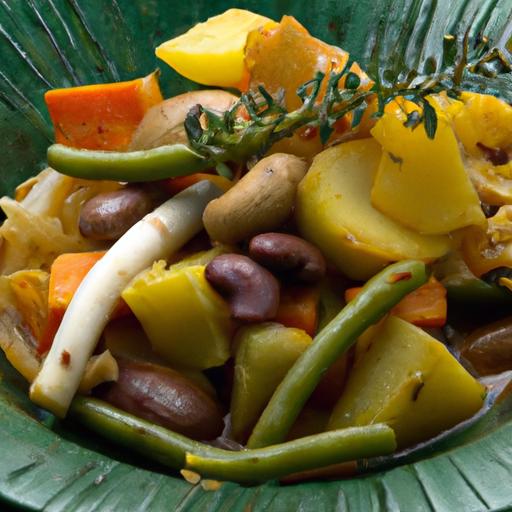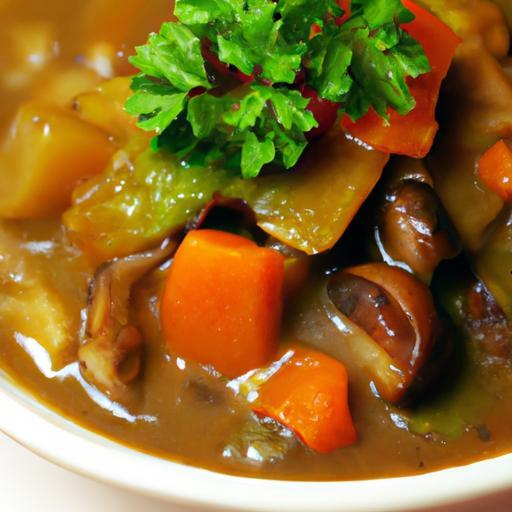
There’s a certain magic in a bubbling pot of classic French vegetable stew-a dish that transforms humble garden harvests into a symphony of flavors, colors, and textures. Rooted deeply in tradition yet delightfully adaptable, this iconic stew invites both novice cooks and seasoned food lovers to savor the essence of French countryside charm. In this guide, we’ll unravel the secrets behind crafting the perfect vegetable medley, exploring techniques and ingredients that bring each bite to life. Whether served as a comforting weeknight meal or a centerpiece for leisurely gatherings, this timeless dish embodies the art of turning simple vegetables into a festivity of flavor. Join us as we embark on a culinary journey to master the rich, rustic elegance of classic French vegetable stew.
Savor the flavors of fresh, garden-picked vegetables united in a rich, aromatic broth with this classic French vegetable stew recipe. Rooted deeply in Provence’s culinary heritage, this dish celebrates the bounty of late summer harvests, where each vegetable shines through tender, slow simmering that unlocks their natural sweetness and complexity. The key to an unforgettable stew lies not only in selecting the freshest, moast vibrant produce but also in gently coaxing out deep, layered flavors through patience and precision.
prep and Cook Time
- Readiness Time: 20 minutes
- Cooking Time: 1 hour 15 minutes
Yield
Serves 6 hearty portions
Difficulty Level
Medium – approachable for home cooks seeking to deepen their skills in slow simmering and French-inspired techniques.
Ingredients
- 3 tbsp extra virgin olive oil
- 1 large onion, finely chopped
- 3 cloves garlic, minced
- 2 medium carrots, sliced into rounds
- 1 medium zucchini, diced
- 1 medium yellow bell pepper, chopped
- 2 large tomatoes, peeled and diced
- 2 cups green beans, trimmed and halved
- 1 medium eggplant, cut into 1-inch cubes
- 4 cups vegetable broth, low sodium
- 1 bay leaf
- 1 tsp Herbes de Provence
- 1 tsp fresh thyme leaves
- Salt and freshly ground black pepper, to taste
- Fresh flat-leaf parsley, chopped (for garnish)
Instructions
- Heat the olive oil in a large heavy-bottomed pot over medium heat.
- Add the onion and garlic,sauté until translucent and fragrant,about 4 minutes. Stir frequently to prevent burning.
- Incorporate the carrots and bell pepper, cooking gently for another 5 minutes until they begin to soften.
- Add the eggplant and zucchini, stirring well to coat them in the oil and aromatics. Cook for 6-7 minutes until they start to get tender.
- Fold in the tomatoes and green beans, stirring thoroughly.
- Pour in the vegetable broth to just cover the vegetables, and toss in the bay leaf, Herbes de Provence, and thyme.
- Bring the stew to a simmer – avoid boiling as aggressive heat can break down the vegetables too quickly.
- Reduce heat to low and cover partially. Let the stew gently simmer for 50-60 minutes, stirring every 15 minutes to prevent any sticking and to meld the flavors evenly.
- Adjust seasoning with salt and freshly ground pepper in the last 10 minutes of cooking to ensure balanced taste.
- Remove the bay leaf before serving.
Tips for Success
- Seek out fresh, local vegetables-the quality of yoru ingredients is the foundation of authentic French flavor. Farmer’s markets are ideal.
- Slow simmering allows each vegetable to release natural sugars and form intimate flavor bonds, so be patient and maintain gentle heat.
- For a richer texture, consider a splash of high-quality extra virgin olive oil right before serving to add silkiness and gloss.
- Feel free to infuse your broth with a tied bundle of fresh herbs (bouquet garni) for a subtle herbal lift.
- To prepare in advance, this stew keeps beautifully refrigerated for up to 3 days and tastes even better the next day.
Savor the Flavors: Serving Suggestions and Pairings
Serve your stew steaming hot in rustic deep bowls. A scattering of freshly chopped flat-leaf parsley adds a burst of color and shining herbal contrast. This dish pairs exquisitely with crusty artisan bread-think a warm baguette or a conventional boule-to soak up the fragrant broth. For an added textural element, garnish with toasted pine nuts or a dash of tangy preserved lemon zest.
Complement this hearty vegetable stew alongside a light, crisp salad of arugula tossed with lemon vinaigrette, or a simple ratatouille to double down on Provençal flavors. If you’re looking to elevate the experience, serve with a chilled glass of crisp apple cider or a refreshing sparkling water infused with cucumber and mint.

| Nutritional Info (per serving) | Calories | Protein | Carbs | Fat |
|---|---|---|---|---|
| French Vegetable Stew | 150 kcal | 4 g | 28 g | 5 g |
To explore complementary recipes,check out our guide on the art of ratatouille. For more on the essential herbs that shape Provencal cuisine, visit britannica’s Herbes de Provence overview.
Q&A
Q&A: Savor the flavors – A Guide to Classic French Vegetable Stew
Q1: What is a classic French vegetable stew?
A1: At its heart, a classic french vegetable stew is Ratatouille-a vibrant, slow-cooked mosaic of seasonal vegetables like eggplant, zucchini, bell peppers, tomatoes, and fragrant herbs. This rustic dish embodies the sunny essence of Provence, where humble ingredients transform into an aromatic symphony of flavors.
Q2: Why is this stew considered a timeless classic in French cuisine?
A2: Its roots trace back to the French countryside, where farmers would use whatever vegetables were abundant to create a nourishing, comforting meal. The stew’s timeless appeal lies in its simplicity and versatility, celebrating the natural taste and texture of fresh vegetables without masking them with heavy sauces.
Q3: Which vegetables are key to achieving an authentic flavor?
A3: The quintessential combo includes eggplant,zucchini,yellow and green bell peppers,onions,and ripe tomatoes. Fresh garlic and herbs like thyme, rosemary, and basil weave through the dish, lifting every bite with their aromatic grace. Each vegetable contributes its unique character while harmonizing effortlessly.
Q4: How do the cooking techniques affect the stew’s flavor?
A4: Patience is paramount.Slow sautéing each vegetable separately before layering them in the pot allows their juices and textures to shine individually. Then,a gentle simmer melds these notes together into a luscious,hearty stew. This method avoids soggy veggies and deepens the complexity of flavors.
Q5: Can this stew be adapted for different seasons?
A5: absolutely! While traditionally a summer dish when vegetables are at their peak, you can embrace the seasons by swapping in root vegetables during cooler months or adding seasonal mushrooms. The key is to respect the balance of textures and flavors, so every spoonful feels just right.Q6: What are some perfect accompaniments to serve with the stew?
A6: A crusty baguette is a must for soaking up the fragrant juices. For a heartier meal, pair it with creamy polenta or flaky puff pastry. A sprinkle of crumbled goat cheese or a drizzle of good olive oil can elevate the experience, adding a touch of indulgence.
Q7: Is French vegetable stew suitable for special diets?
A7: indeed, it’s naturally vegan, gluten-free, and packed with nutrients, making it a wholesome choice for various dietary preferences. Its reliance on fresh ingredients promotes health without sacrificing taste.
Q8: How does making this stew connect us to French culture?
A8: Preparing and savoring this stew is like a culinary journey to Provence. It invites you to slow down,appreciate seasonal simplicity,and celebrate the art of change-turning humble garden harvests into a meal that’s both comforting and refined. It’s a delicious way to taste the rich heritage and soul of french cuisine.
Q9: any tips for beginners attempting this stew for the first time?
A9: start with fresh,ripe vegetables and don’t rush the cooking process. Take your time sautéing each ingredient to unlock its best flavor. Embrace the rustic feel-perfection lies in balance, not precision. And most importantly,savor the process as much as the end product.
This Q&A unveils the essence of classic French vegetable stew, inviting home cooks to immerse themselves in a dish where simplicity, patience, and the flavors of the earth come together in a timeless culinary masterpiece. Bon appétit!
In Conclusion
As the rich aroma of simmered vegetables and fragrant herbs fills your kitchen, you’ll realize that preparing a classic French vegetable stew is more than just cooking-it’s an invitation to savor tradition in every spoonful. This timeless dish, with its vibrant medley of garden-fresh produce and soulful simplicity, captures the essence of French countryside cuisine. Whether you’re seeking comfort on a chilly evening or a wholesome celebration of seasonal flavors, this stew welcomes you to slow down, savor deeply, and share the joy of a meal steeped in history. So gather your ingredients, embrace the art of slow cooking, and let each bite transport you to the charming villages where every pot of stew tells a story worth tasting. Bon appétit!