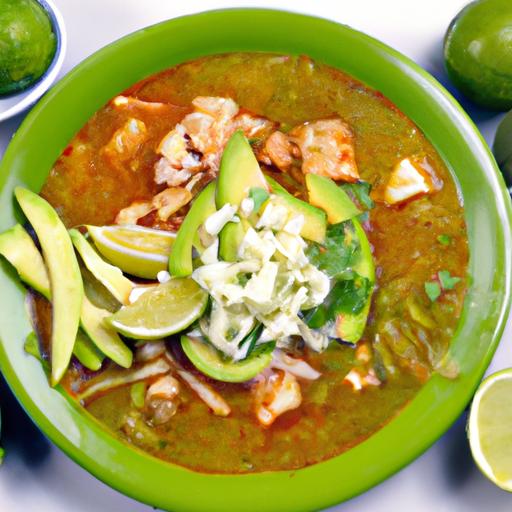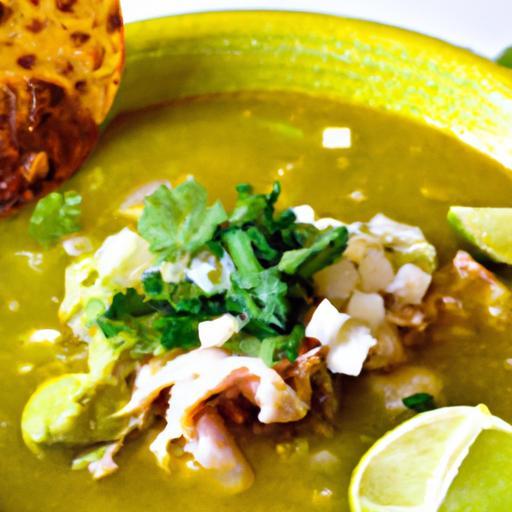
Emerging from the rich tapestry of Mexican cuisine, Pozole Verde stands as a vibrant festivity of flavors, culture, and history. This beloved green-hued stew, brimming with tender hominy, succulent meats, and fragrant herbs, invites both locals and food lovers worldwide to savor a dish that transcends mere sustenance. More than just a meal, Pozole Verde is a culinary story steeped in tradition-one that honors ancestral roots while continuing to evolve with each generation. Join us as we explore the origins, ingredients, and cultural significance of this iconic Mexican delicacy, uncovering why its vibrant taste remains a cherished symbol of heritage and hospitality.
Origins and Cultural Significance of Pozole Verde in Mexican Heritage
Pozole Verde is more than just a dish; it is a vibrant taste of Mexican tradition that carries centuries of history and cultural pride. Rooted in indigenous Mesoamerican cuisine, pozole was originally a sacred stew made by the aztecs and other Nahua peoples, symbolizing nourishment and community. Unlike the more common red pozole, the green version shines with the fresh brightness of tomatillos and herbs, offering a lighter yet deeply flavorful experience that celebrates the agricultural bounty of central Mexico.
This hearty stew was traditionally prepared for celebrations,including festivals and family gatherings,where communal cooking fostered connection and storytelling. Each region and family adds its own twist, but the essence remains-a dish that embodies the warmth and spirit of Mexican heritage.
Key Ingredients That Bring Pozole Verde to Life
- Hominy kernels – The heart of pozole; dried corn treated with alkali to create a chewy, tender base.
- Chicken broth – A flavorful liquid foundation made from simmered chicken bones and aromatics, keeping the stew rich yet balanced.
- Tomatillos – These luminous green husked fruits lend a tart, zesty brightness essential to the verde sauce.
- Green chilies (such as poblano and jalapeño) – Contributing subtle heat and depth without overpowering.
- Fresh herbs like cilantro, epazote, and Mexican oregano – They add layers of aromatic complexity and authentic freshness.
- Garlic and onions – Building blocks for the sauce with earthy sweetness.
- Avocado, radishes, shredded lettuce, and lime wedges – Classic garnishes that bring contrasting textures and vibrant color to the final presentation.
Step by Step Guide to Crafting Authentic Pozole Verde at home
- Prepare the broth: In a large pot, combine 1 whole chicken (about 3 lbs), 1 onion quartered, 4 cloves garlic, 2 bay leaves, and 12 cups of water. Bring to a boil, then reduce to simmer and cook for 1 hour until chicken is tender. Remove chicken,shred the meat,and set aside. Strain the broth and return it to the pot.
- Cook the hominy: Rinse 4 cups of canned hominy thoroughly under cold water. Add to the chicken broth and simmer gently for 30 minutes to absorb flavors, stirring occasionally.
- Roast and blend the verde sauce: On a hot skillet or comal, roast 8 tomatillos (peeled), 2 poblano peppers (stemmed and seeded), 2 jalapeños (stemmed, seeded optional), 1 medium white onion quartered, and 4 cloves garlic until slightly charred and softened. Transfer immediately to a blender, add a handful of fresh cilantro and a teaspoon of dried Mexican oregano, plus 1 cup of the hot broth. Blend until smooth.
- Incorporate the sauce: Pour the verde sauce through a fine mesh strainer into the pot with hominy and broth, stirring well. Simmer for 20 minutes to marry all flavors.
- Add shredded chicken: Stir in the shredded chicken meat, warming it through for about 5 minutes. Season with salt and freshly ground black pepper to taste.
- Final touch: Remove from heat and let the pozole verde rest for 10 minutes before serving to deepen its flavors.
Pairing Pozole Verde with Traditional Sides and Refreshing Beverages
Enhance your Pozole Verde experience with crunchy accompaniments and cool drinks that complement its fresh, herbaceous profile.Offer bowls of thinly sliced radishes, shredded iceberg or romaine lettuce, finely chopped white onion, and lime wedges-each guest can customize thier bowl with these crisp, bright add-ons. Crispy tostadas or warm corn tortillas are perfect for scooping or pairing.
For beverages, opt for a chilled glass of agua fresca such as horchata (a sweet rice-based drink with cinnamon), or tangy tamarind agua fresca. These drinks balance the gentle heat and herbaceous qualities of the stew beautifully, refreshing the palate after each richly layered spoonful.
Prep and Cook Time
- prep Time: 30 minutes
- Cook Time: 1 hour 45 minutes
- Total Time: 2 hours 15 minutes
Yield
- Serves 8 hearty portions
Difficulty Level
- Medium – Perfect for home cooks ready to immerse themselves in traditional Mexican cooking techniques.
Ingredients
- 1 whole chicken (approx.3 lbs), cut into pieces
- 12 cups water
- 1 medium onion, quartered
- 4 cloves garlic, whole
- 2 bay leaves
- 4 cups canned hominy, rinsed and drained
- 8 medium tomatillos, husked and rinsed
- 2 poblano peppers, roasted, stemmed, and seeded
- 2 jalapeño peppers, roasted, stemmed, and seeded (optional for heat)
- 1 handful fresh cilantro, packed
- 1 tsp dried mexican oregano
- Salt & pepper to taste
- Garnishes: sliced radishes, shredded lettuce, chopped onion, lime wedges, avocado slices
Instructions
- Build a rich broth: Simmer chicken, onion, garlic, and bay leaves for 1 hour. Remove chicken, shred, and strain broth.
- Simmer hominy: Add rinsed hominy to broth, simmer 30 minutes.
- Roast vegetables: Char tomatillos, poblano, jalapeños, onion, and garlic.
- Blend verde sauce: blend roasted veggies with cilantro, oregano, and broth until smooth; strain into pot.
- Combine and cook: Stir into hominy mixture,simmer 20 minutes.
- Add chicken: Stir shredded chicken in, warm through, season, and rest before serving.
Tips for Success
- Broth Depth: For an even richer broth, add a celery stalk and a few peppercorns during simmering.
- Hominy Choice: Use high-quality canned hominy for convenience, or soak and cook dried hominy overnight for a more authentic texture.
- Roasting Veggies: Don’t skip roasting-this step adds essential smoky notes and a deeper flavor profile.
- Adjust Heat: Control the spice by leaving jalapeño seeds in or out; use milder poblano peppers for less heat.
- Make Ahead: Pozole verde tastes even better the next day-prepare the stew a day ahead and gently reheat, stirring in fresh garnishes just before serving.
- Vegetarian Variation: Substitute the chicken broth with vegetable broth and use hearty mushrooms or jackfruit in place of shredded chicken for a satisfying plant-based option.
Serving Suggestions
Serve steaming bowls topped generously with sliced radishes, shredded lettuce, chopped onions, creamy avocado slices, and zesty lime wedges. Offer warm corn tortillas or crunchy tostadas on the side for scooping. A sprinkle of crushed chili flakes or dried oregano adds a final touch of authenticity and warmth. Pair with chilled horchata or fresh aguas frescas to contrast the bold herbal and citrus flavors of the stew.
| Nutrient | Per Serving (Approx.) |
|---|---|
| Calories | 320 kcal |
| Protein | 28 g |
| Carbohydrates | 32 g |
| Fat | 6 g |

For more inspiration celebrating Mexican classics, explore our collection of traditional stews and dive deeper into authentic regional flavors.
Q&A
Q&A: Pozole Verde – A Vibrant Taste of Mexican Tradition
Q: What exactly is Pozole Verde?
A: Pozole Verde is a traditional Mexican stew known for its vibrant green hue and savory depth. It’s a flavorful twist on the classic pozole, featuring hominy, tender pork or chicken, and a distinctive green sauce made from roasted tomatillos, fresh green chilies, cilantro, and other fragrant herbs. This dish not only delights the palate but also tells a story of mexico’s rich culinary heritage.
Q: How does Pozole Verde differ from other types of pozole?
A: The main difference lies in the sauce. Traditional pozole varieties include Pozole Rojo (red) and Pozole Blanco (white). Pozole Verde stands out with its fresh, zesty green broth, thanks to ingredients like tomatillos and green chilies instead of the dried red chilies used in Pozole Rojo. This gives it a brighter, herbaceous flavor profile that feels both comforting and refreshing.
Q: What ingredients give Pozole Verde its signature green color?
A: The lush green color primarily comes from tomatillos-a tart, green fruit encased in husks-and an array of green chilies such as jalapeño or serrano. Fresh cilantro and sometimes epazote (a fragrant Mexican herb) add layers of green and complexity. These combine to create not just color, but a vibrant flavor foundation.
Q: Is Pozole Verde a festive dish?
A: Absolutely! pozole has deep roots in Mexican celebrations and communal gatherings. Pozole Verde, with its eye-catching color and comforting flavors, is often enjoyed during special occasions such as holidays, family reunions, and local festivals. It’s a dish designed to bring people together around a table, sharing warmth and tradition.
Q: How is Pozole Verde traditionally prepared?
A: The process involves simmering pork (or chicken) until tender, then combining it with pre-cooked hominy. Simultaneously occurring, tomatillos and green chilies are roasted or boiled, then blended with fresh herbs and aromatics to form the green sauce. This sauce is then incorporated into the meat and hominy broth, creating a harmonious stew. Garnishes like shredded cabbage,radishes,lime wedges,and oregano complete the experience.
Q: Can Pozole Verde accommodate dietary preferences?
A: Definitely! While traditionally made with pork, Pozole Verde is versatile. Chicken or even vegetable-based versions can be made, using mushrooms or jackfruit to mimic texture. The recipe embraces adaptation without losing its heart, making it accessible to many palates.
Q: What does Pozole Verde reveal about Mexican cuisine and culture?
A: Beyond being a delicious dish, Pozole Verde showcases Mexico’s ability to blend indigenous ingredients with regional flavors, turning simple staples like hominy and herbs into culinary art. It highlights community, tradition, and the joyful celebration of flavor, reflecting a culture that honors food as storytelling and connection.
Q: Where can someone outside Mexico try or learn to make Pozole Verde?
A: Many Mexican restaurants worldwide feature Pozole Verde,especially those emphasizing regional specialties. For home cooks, numerous recipes and tutorials are available online, inviting food lovers to embark on a vibrant, hands-on journey into Mexican tradition. Sourcing fresh tomatillos and chilies may be the key, but the heart of the dish-the spirit of celebration and comfort-is universally accessible.
Future Outlook
As the final spoonful of Pozole Verde warms your soul, you’re not just savoring a soup-you’re tasting centuries of Mexican heritage, vibrant with fresh tomatillos, earthy herbs, and tender hominy. This dish is more than a meal; it’s a celebration of tradition, community, and the colorful spirit of Mexico itself. Whether enjoyed during festive gatherings or quiet family dinners, Pozole Verde invites you to experience a rich tapestry of flavors that tell a story as bright and enduring as the culture it comes from. So next time you crave something truly authentic, let Pozole Verde transport you to the heart of Mexico’s culinary legacy-where every bowl is a delicious journey through time.