Nestled within the sun-drenched hills of Liguria, a vibrant green treasure has been captivating taste buds for centuries: Pesto alla genovese. More than just a sauce, this verdant elixir embodies the essence of Italian tradition, where simple, fresh ingredients harmonize to create a symphony of flavors. With its fragrant basil leaves, nutty pine nuts, pungent garlic, and rich Parmesan, Pesto alla Genovese is not merely a condiment-it’s a celebration of heritage, technique, and the Mediterranean spirit. Join us as we unravel the story behind this iconic green gem, exploring its origins, cultural significance, and timeless appeal that continues to enchant kitchens and palates across the globe.
Pesto alla Genovese captivates with its emerald vibrance and vibrant freshness, bringing the sun-soaked Ligurian coast right to your table. This quintessential Italian sauce is more than just basil and nuts – it’s a tradition steeped in history and regional pride, crafted to awaken the senses with each aromatic bite.Whether fresh from the garden or handed down through generations, the key lies in honoring every element from leaf to bowl.
Prep and Cook Time
prep Time: 15 minutes
Cook Time: 0 minutes (no cooking required)
Yield
Servings: Approximately 1 cup (serves 4-6 as a condiment)
Difficulty Level
Easy – Perfect for beginners eager to explore authentic Italian flavors.
Ingredients
- 2 cups fresh Genovese basil leaves,packed tightly,stems removed
- 1/2 cup extra-virgin olive oil,cold-pressed for richest taste
- 1/3 cup pine nuts,lightly toasted to deepen flavor
- 2 garlic cloves,peeled and slightly crushed
- 1/2 cup finely grated Parmigiano-Reggiano cheese
- 1/4 cup finely grated Pecorino Romano cheese
- salt to taste,preferably sea salt
Instructions
- Prepare the basil: Select shining green,blemish-free basil leaves. Gently rinse and dry fully using a salad spinner or paper towels to prevent bitterness.
- Toast pine nuts: In a dry skillet over medium heat, toss pine nuts for 2-3 minutes until golden, releasing a nutty aroma. Let cool.
- Crush garlic and pine nuts: Traditionally, a marble mortar and pestle are used for an authentic silky texture. Start by gently grinding garlic and pine nuts into a coarse paste.
- Add basil leaves: Gradually add basil, pounding in circular motions to bruise without bruising the green vibrance. This releases the essential oils and flavors.
- Incorporate cheeses: stir in Parmigiano-reggiano and Pecorino Romano cheeses evenly, enriching the sauce’s umami depth.
- Stream olive oil: Slowly drizzle in olive oil, blending steadily to emulsify into a glossy, creamy pesto.
- Season: Taste and add sea salt as necessary. Remember, cheeses add saltiness so season lightly.
Tips for Success
- Use fresh basil harvested the same day for peak freshness and aroma.
- If you don’t have a mortar and pestle, a food processor is acceptable but pulse gently to avoid overheating, which dulls the bright green color.
- Substitutions: Walnuts or almonds work in a pinch, but pine nuts are key to authentic flavor.
- For a thicker pesto,reduce the olive oil slightly,perfect for spreading on bruschetta or layering in sandwiches.
- Make ahead: Store in an airtight jar, covered with a thin layer of olive oil, refrigerated for up to 3 days or frozen for up to 1 month.
Serving Suggestions
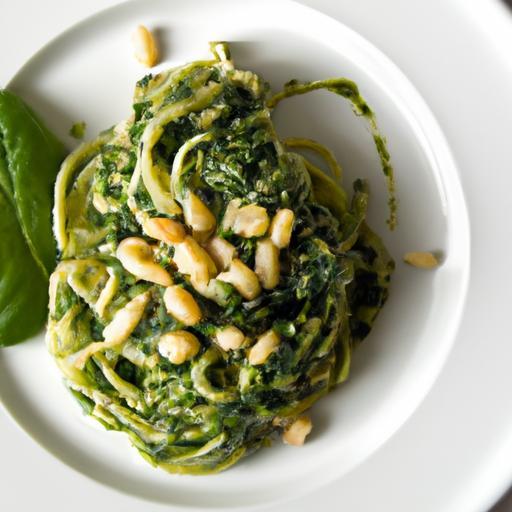
Pesto alla Genovese shines brightest when simply tossed with al dente pasta-try classic trofie or trenette noodles. For a festive touch,garnish with extra basil leaves and a shaving of Parmigiano-Reggiano. beyond pasta, dollop onto warm grilled chicken, swirl into cream soups, or spread as a vibrant topper on toasted artisan bread. The natural brightness lends a luxurious herbaceous note to eggs, roasted vegetables, and even pizza bases.

| Nutrient | Per 2 Tbsp |
|---|---|
| Calories | 90 |
| Protein | 2g |
| Carbohydrates | 1.5g |
| Fat | 8g |
For those wanting to dive deeper into regional Italian sauces and perfect pasta pairings, check out our extensive guide to pasta sauces. To explore the history and cultivation of basil, the star ingredient of this recipe, visit Britannica’s basil overview.
Q&A
Q&A: Pesto alla Genovese – The Green Gem of Italian Cuisine
Q: What exactly is Pesto alla Genovese?
A: Pesto alla Genovese is a vibrant, emerald-green sauce hailing from Genoa, the capital of Italy’s Liguria region. Crafted from fresh basil leaves, pine nuts, garlic, parmesan cheese, Pecorino cheese, olive oil, and a pinch of sea salt, it’s a fragrant, flavorful blend that captures the essence of Italian summer in a jar.
Q: Why is it called “Pesto alla Genovese”?
A: The term ”pesto” derives from the Italian word pestare, meaning “to crush” or “to pound,” referencing the customary method of grinding ingredients with a mortar and pestle. “Alla Genovese” denotes its origin in genoa, where this green sauce has been a culinary staple for centuries.
Q: What makes Pesto alla Genovese so special compared to other pestos?
A: Its unique combination of fragrant Ligurian basil, aromatic garlic, simply toasted pine nuts, and a delicate balance of Parmigiano-Reggiano and Pecorino cheeses gives Pesto alla Genovese a fresh, nuanced flavor. The local basil is particularly sweet and tender, which makes this pesto stand apart from variations made elsewhere.
Q: Is Pesto alla genovese only for pasta?
A: Absolutely not! While it’s famously paired with trofie or trenette pasta, this green gem is wonderfully versatile. Spread it on crusty bread, mingle it into soups, drizzle it over grilled vegetables or fish, and even blend it into salad dressings for a punch of herbaceous delight.
Q: How do Italians traditionally prepare pesto, and does the method matter?
A: Traditionally, pesto is made by gently crushing basil, garlic, and pine nuts in a marble mortar with a wooden pestle, gradually incorporating cheese and olive oil. This slow, tactile process preserves the delicate flavors and natural oils of the ingredients. Modern blenders offer convenience but may alter the texture and slightly diminish the aromatic quality.
Q: Can I make Pesto alla Genovese ahead of time?
A: Yes! Pesto can be prepared in advance and stored in a jar,covered with a thin layer of olive oil to prevent oxidation. Refrigerate it for up to a week or freeze it in ice cube trays for longer storage. This way, the green gem is always ready to brighten your meals.
Q: Are there any common mistakes to avoid when making Pesto alla Genovese?
A: The key pitfalls include using basil that’s been refrigerated and wilted instead of fresh and vibrant, over-toasting pine nuts (which can become bitter), and adding too much oil at once, which can make the sauce greasy. Also, too much garlic can overpower the delicate basil notes-balance is everything!
Q: What wine pairs well with dishes enhanced by Pesto alla Genovese?
A: Crisp, aromatic white wines such as Vermentino, Pinot Grigio, or a chilled Ligurian Pigato amplify the fresh herbal notes of pesto. For red lovers, opt for a light-bodied Chianti or Barbera to complement but not overpower the sauce.
Q: Why is Pesto alla Genovese considered a “green gem” of Italian cuisine?
A: It’s a true culinary treasure-simple yet bursting with fresh,vibrant flavors that evoke the sun-drenched Ligurian coast. Pesto alla Genovese embodies Italian tradition, artisanal craftsmanship, and the celebration of high-quality ingredients, earning its reputation as a beloved, timeless classic.
In Summary
In the vibrant tapestry of Italian gastronomy, Pesto alla Genovese stands out as a verdant jewel-simple yet sublime, rooted in tradition yet endlessly inspiring. This green gem not only captures the essence of Liguria’s sun-soaked hills and fragrant basil fields but also invites us to savor the harmony of fresh, honest ingredients brought together in perfect balance. Whether draped over al dente pasta, swirled into soups, or spread on crusty bread, pesto remains a timeless ambassador of Italian culinary artistry. As you explore its layers of flavor and history, may you find yourself inspired to bring a little taste of Genoa’s gentle breeze and vibrant spirit into your own kitchen. Buon appetito!