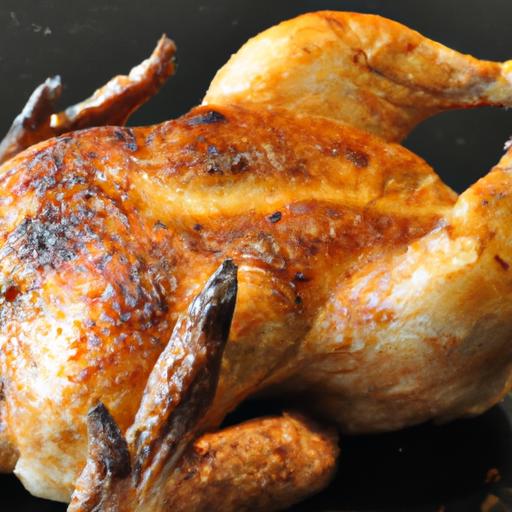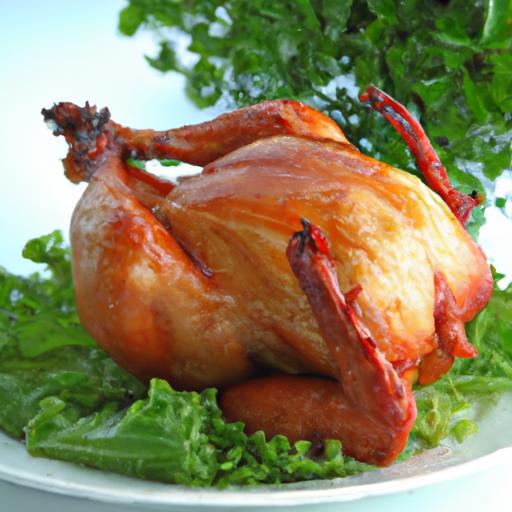
There’s an art to roasting a whole chicken that transcends simple cooking-it’s a dance of time and temperature, patience and precision. Achieving that perfectly golden, crispy skin while locking in succulent, juicy meat is not merely luck; it’s science meeting soul in the oven. Whether you’re a seasoned home cook or an aspiring kitchen maestro, mastering the timing of roasting a whole chicken is your gateway to culinary bliss. In this article, we unravel the secrets behind timing your roast, so every bite bursts with tender juiciness and every meal becomes a celebration of flavor. Get ready to turn your oven into the stage for your next unforgettable masterpiece.
Perfectly roasted whole chicken is the pinnacle of home-cooked comfort – juicy, aromatic, and tender to the bone. Understanding the science behind chicken roasting unlocks the secrets to flavor and moisture that turn a simple meal into a memorable centerpiece. From choosing the right temperature and timing to masterful resting periods, every decision shapes how beautifully the chicken retains its juices and delivers that coveted golden crust.
Prep and Cook Time
- Preparation: 15 minutes
- Roasting: 1 hour 15 minutes (depending on bird size)
- Resting: 15-20 minutes
- Total Time: Approximately 1 hour 50 minutes
Yield
Serves 4 to 6 people
Difficulty Level
Medium – Ideal for home cooks ready to elevate their roasting skills with science-backed techniques.
Ingredients
- 1 whole chicken (about 4 to 5 pounds),rinsed and patted dry
- 2 tablespoons olive oil or melted unsalted butter
- 1 tablespoon kosher salt
- 1 teaspoon freshly ground black pepper
- 1 tablespoon garlic powder
- 1 tablespoon paprika (smoked or sweet)
- 2 teaspoons dried thyme or fresh sprigs
- 1 lemon,halved
- 4 cloves garlic,crushed
- Fresh herbs (rosemary,thyme,and parsley) for inside the cavity
- 1 cup low-sodium chicken broth (for roasting pan)
Instructions
- Preheat your oven to 425°F (220°C). This high initial heat kick-starts browning, sealing in flavors and juices.
- Prepare the chicken by patting it dry with paper towels. Dry skin is essential for crispness.
- Rub the entire chicken evenly with olive oil or melted butter, making sure to get under the skin were possible; this moist layer promotes golden, flavorful results.
- Season liberally with salt, pepper, garlic powder, paprika, and thyme, massaging the spices into every nook and cranny.
- Stuff the cavity with lemon halves, crushed garlic cloves, and fresh herbs to infuse aromatic notes during roasting.
- Tie the legs together using kitchen twine for even cooking and a tidy presentation.
- Place the chicken breast-side up on a roasting rack set inside a roasting pan. Pour 1 cup of chicken broth into the pan to keep the oven moist and prevent drippings from burning.
- Roast at 425°F for 15 minutes to jumpstart the Maillard reaction – that luscious browning we all crave.
- Lower oven temperature to 375°F (190°C) and continue roasting for approximately 45 to 60 minutes, depending on size. Use a meat thermometer inserted into the thickest part of the thigh; it should read 160°F (71°C) when done. The temperature will rise to 165°F during resting.
- Remove the chicken from the oven and tent loosely with foil. let it rest uncovered for 15 to 20 minutes – this crucial step lets muscle fibers relax and reabsorb juices, ensuring every slice bursts with moisture.
- Carve and serve with pan juices or your favorite sauce.
Tips for Success: Mastering the Art of Roast Juiciness
- Temperature control is king: Starting hot develops crisp skin while lowering heat prevents drying out.
- Resting period matters: Skipping rest means juices spill onto the plate instead of staying in the meat.
- Use a roasting rack: Elevating the chicken allows air to circulate, roasting it evenly and producing a perfect crust.
- Thermometer usage: Don’t rely on time alone; an instant-read thermometer is essential for precision.
- Brining option: Consider a simple saltwater brine overnight for enhanced tenderness and flavor infusion.
Serving Suggestions
For a feast that celebrates perfectly roasted chicken,present sliced breast and leg portions on a rustic wooden board garnished with fresh thyme sprigs and lemon wedges. Accompany with a colorful medley of roasted root vegetables or a crisp green salad tossed with a citrus vinaigrette. Drizzle pan drippings or a light herb gravy over the top for extra richness. A bowl of creamy mashed potatoes or fluffy couscous completes this comforting, crowd-pleasing meal.

Nutritional Facts (Per Serving)
| Calories | protein (g) | Carbs (g) | Fat (g) |
|---|---|---|---|
| 320 | 38 | 1 | 18 |
for deeper insights into cooking poultry safely and efficiently, visit the US Food Safety and Inspection Service.
Discover how to complement your perfectly roasted chicken by exploring our best side dishes for roast chicken to craft a truly memorable dinner.
Q&A
Q&A: Perfectly Roasted – Timing Your Whole Chicken to Juicy Bliss
Q1: What’s the secret to a perfectly roasted whole chicken?
A: The magic lies in timing – balancing heat and minutes so the bird cooks through without drying out. Think of your chicken like a delicate symphony: too short, and it’s undercooked; too long, and the juicy melody fades to dryness.Precise roasting times unlock that tender, succulent bliss.
Q2: How long should I roast a whole chicken?
A: A general rule of thumb is 20 minutes per pound (450 grams) at 375°F (190°C).For example, a 4-pound chicken needs roughly 1 hour and 20 minutes. However, factors like oven type and chicken size can shift this timeline, so keep a thermometer handy.Q3: Why is knowing the internal temperature crucial?
A: Internal temperature is your fail-safe. The USDA recommends 165°F (74°C) in the thickest part of the thigh for safe, juicy chicken. Using a meat thermometer cuts through guesswork and ensures every bite is succulent and safe.
Q4: Can resting time affect juiciness?
A: Absolutely! After roasting, tent your bird with foil and let it rest for 10 to 15 minutes. This pause lets juices redistribute, transforming the chicken from merely cooked to irresistibly juicy.
Q5: Does oven temperature influence timing?
A: Indeed. Lower temperatures (325°F/160°C) require longer cooking but yield a tender bird; higher heat (425°F/220°C) shortens cooking time and crisps the skin. Mastering your oven’s quirks helps you time your roast to perfection.
Q6: Are there tips to speed up roasting without losing juiciness?
A: Spatchcocking – removing the backbone and flattening the chicken – shrinks cook time and promotes even heat distribution. Paired with vigilant temperature checks, you get juicy results faster.
Q7: What common mistakes should I avoid?
A: Overcrowding the pan, skipping the thermometer, and neglecting rest time ofen lead to dry or unevenly cooked chicken. Patting dry and seasoning properly before roasting also make a big flavor difference.
Q8: How do I know when the chicken is done without a thermometer?
A: Look for clear juices running from the thigh when pierced, and legs that wiggle easily. The skin should be golden and crisp.Still, nothing beats a thermometer for foolproof timing.
Q9: Can marinating or brining affect roasting time?
A: Yes! Brining adds moisture and can slightly reduce cooking time thanks to improved heat conduction. Marinating imparts flavor but usually doesn’t change timing much – just be mindful of extra liquid that may drip.
Q10: What sides pair best with a perfectly roasted whole chicken?
A: Classic sides like roasted vegetables, creamy mashed potatoes, or a crisp green salad complement the juicy bird beautifully, completing your feast with texture and flavor contrast.
Unlock your chicken’s juicy heart with timing savvy, temperature savvy, and a touch of patience. Your oven is your orchestra, and with the right tempo, each roast becomes a symphony of savory perfection.
To Wrap It Up
As the enticing aroma of your perfectly roasted chicken fills the kitchen, you’ll know that mastering the art of timing has transformed a simple meal into a succulent masterpiece. Achieving juicy bliss isn’t just about heat-it’s about patience, precision, and understanding the dance between temperature and time. With these insights under your belt,every whole chicken you roast can emerge golden,tender,and bursting with flavor,inviting you to savor not just the food,but the satisfying rythm of the roast itself. So, next time you preheat your oven, remember: the secret to perfection lies not just in cooking, but in timing-your ticket to juicy, mouthwatering success.