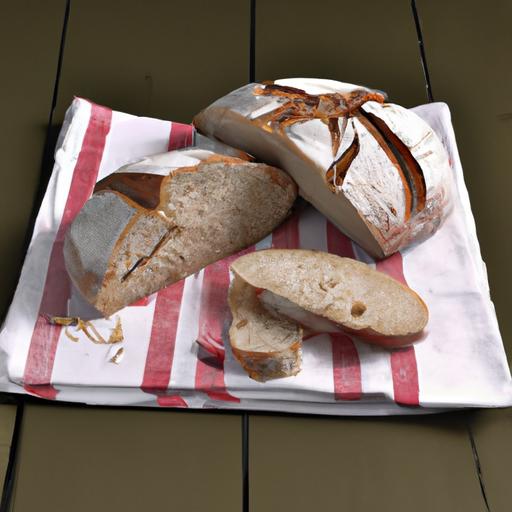
There’s something undeniably enchanting about the humble peasant bread-a crusty, golden loaf that carries the warmth of tradition and the essence of rustic simplicity. “Rustic delight: Mastering the Art of Peasant Bread baking” invites you on a journey back to the heart of rural kitchens, where flour, water, salt, and time transform into a soulful staple.This article will guide you through the age-old techniques and secrets that elevate basic ingredients into a satisfying, hearty bread with an artisan’s touch. Whether you’re a seasoned baker or a curious novice, prepare to embrace the charm of imperfect crusts, the fragrance of freshly baked dough, and the joy of creating something both timeless and deeply satisfying.
Rustic Delight begins with understanding the humble origins of conventional peasant bread. This iconic loaf speaks to centuries of resourcefulness, where simple, accessible ingredients created nourishing sustenance for hardworking rural communities. Each loaf tells a story of regional grains,wild yeasts,and artisanal techniques that developed from necessity,echoing the heart of rustic kitchens worldwide. As you embark on this baking journey, envision the comforting aroma wafting through a village bakery, where crackling crusts and tender crumbs bring people together around the table.
prep and Cook Time
- preparation: 20 minutes
- Fermentation and proofing: 3 to 4 hours (depending on yeast activity)
- Baking: 35 minutes
Yield
One medium-sized loaf, perfect for 6 to 8 servings.
Difficulty Level
Medium – suitable for adventurous home bakers ready to embrace fermentation and shaping techniques.
Ingredients
- 3 ½ cups (450g) bread flour, sifted for light texture
- 1 ½ cups (355ml) lukewarm water, about 75°F (24°C)
- 1 teaspoon active dry yeast or 2 teaspoons instant yeast
- 2 teaspoons fine sea salt
- 1 tablespoon raw honey or malt syrup (optional, for subtle sweetness)
- Additional flour for dusting and shaping
Instructions
- activate the yeast: In a small bowl, dissolve the active dry yeast and honey in lukewarm water.let it rest for 5-10 minutes until foamy, indicating active fermentation.
- Combine dry ingredients: In a large mixing bowl, whisk together the bread flour and sea salt evenly to distribute flavor and ensure proper gluten development.
- Mix the dough: Pour the yeast mixture into the flour. Use a wooden spoon or your hands to fold the ingredients just until a shaggy dough forms. It will be sticky and somewhat loose – this is ideal for rustic crumb structure.
- First rise (bulk fermentation): Cover the bowl with a damp cloth or plastic wrap and let the dough rise at room temperature for about 2 hours, until doubled in size. For deeper flavor, try a slow, overnight rise in the refrigerator.
- Shape the loaf: Lightly flour your work surface and gently tip the dough out. with floured hands, perform gentle folds, tucking edges underneath to form a round ball. Avoid deflating the dough excessively. Place the shaped dough on a parchment-lined baking sheet or a floured couche.
- second rise (proofing): Cover the shaped dough and let it rest for 45 minutes to 1 hour until slightly puffed but not doubled. Preheat your oven to 450°F (230°C) with a Dutch oven or heavy lidded pot inside to heat thoroughly.
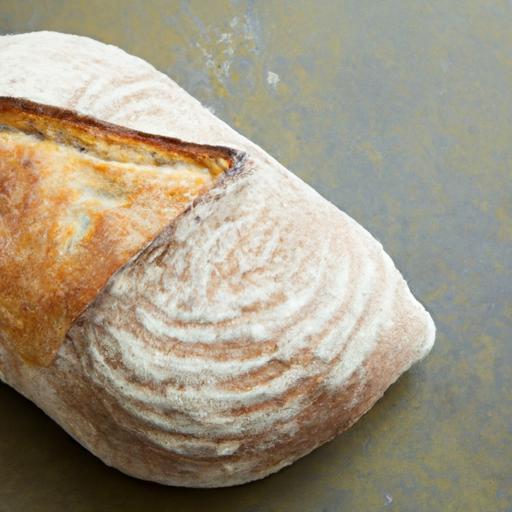
- Score and bake: Using a sharp bread lame or serrated knife, make 2-3 shallow slashes across the loaf’s surface to guide expansion. Carefully transfer the dough with parchment into the preheated Dutch oven, cover, and bake for 20 minutes.
- Develop the crust: Remove the lid and bake an additional 15 minutes to brown the crust to a deep golden rustic finish. The loaf should sound hollow when tapped.
- Cool wholly: Transfer your loaf to a wire rack to cool for at least 1 hour before slicing, allowing the crumb to set properly.
Tips for Success
- Use high-protein bread flour to achieve the chewy, open crumb characteristic of rustic peasant bread.
- Experiment with a preferment like a poolish or biga to enhance complexity and fermentation depth.
- Maintain a hot, steamy oven habitat by baking with a covered pot or placing a pan of water inside to create humidity – this helps develop a blistered, crackling crust.
- For a rustic appearance,dust the loaf lightly with flour before scoring.
- Substitute part of the bread flour with whole wheat or rye flour for an earthier flavor profile; reduce water accordingly.
- Use a dutch oven or cast-iron pot for ideal heat retention; alternatively, bake on a preheated baking stone.
- If your dough is too sticky to handle, chill it briefly to firm up slightly, making shaping easier without over-kneading.
Serving Suggestions
Slice thickly and serve warm,slathered with creamy butter or drizzled with extra virgin olive oil and a sprinkle of flaky sea salt. This bread pairs beautifully with hearty farmhouse cheeses,fresh garden herbs,or slow-simmered stews. Garnish with sprigs of rosemary or thyme to complement the natural, woodsy flavors. For an elegant touch, serve alongside homemade whipped herb butter or roasted garlic spread, inviting rustic elegance to your table.

| Nutrient | per Serving (1 slice) |
|---|---|
| Calories | 150 kcal |
| Protein | 5 g |
| Carbohydrates | 30 g |
| Fat | 1 g |
For a deeper dive into artisanal bread techniques, be sure to explore our detailed guide on sourdough bread basics. Additionally, visit the king Arthur Baking Bread Guide for expert advice from renowned bakers worldwide.
Q&A
Q&A: Rustic Delight – Mastering the Art of Peasant Bread Baking
Q1: What exactly is peasant bread, and why is it called that?
A1: Peasant bread refers to a hearty, rustic loaf traditionally baked by villagers using simple, wholesome ingredients like flour, water, salt, and natural leavening agents. It’s called “peasant” bread as it originated from humble kitchens-where resourcefulness met necessity-to create nourishing, crusty loaves that sustained families through hard times.
Q2: How does peasant bread differ from other types of bread?
A2: Unlike refined or enriched breads, peasant bread embraces simplicity and rustic charm. It often features a thick, crackling crust, an open crumb with irregular holes, and a tangy, complex flavor developed through slow fermentation. There’s no fussing over fancy ingredients-just the magic of time, patience, and traditional techniques.
Q3: What are the key ingredients for making authentic peasant bread?
A3: Minimalism is key.you’ll need good quality flour (often a blend of white and whole wheat), water, salt, and a natural starter or a bit of commercial yeast. The star is usually a natural sourdough starter, which gives the bread it’s signature depth and character.
Q4: Is a sourdough starter essential to master peasant bread baking?
A4: While not strictly essential, a sourdough starter is highly recommended. It’s the living heart of rustic bread, capturing wild yeast and bacteria that leaven the dough and infuse it with that unmistakable tang. Plus, cultivating a starter connects you deeply with the ancient craft of breadmaking.
Q5: how important is the fermentation process in making peasant bread?
A5: Crucial! Slow fermentation-sometimes overnight-allows the flavors to develop fully and the gluten to strengthen naturally. It’s what transforms simple ingredients into a loaf bursting with character and complexity. Patience truly yields the most rewarding rustic loaves.
Q6: Can peasant bread be baked at home without a fancy oven?
A6: Absolutely! While professional bakers use steam-injected ovens, home bakers can mimic this by creating a steamy environment-like placing a pan of water inside the preheated oven or baking the bread in a covered Dutch oven. the goal is to develop that perfect crust and crusty crunch.
Q7: What’s the secret to achieving the perfect crust on peasant bread?
A7: Steam during the initial baking phase keeps the crust supple enough to expand without cracking prematurely, then as the steam dissipates, the crust crisps beautifully. A hot oven and patience to let the bread cool fully afterward also help in achieving that iconic crust.
Q8: Are there any tips for beginners wanting to try peasant bread baking?
A8: start simple-don’t get overwhelmed by technique. Embrace imperfections; every loaf will teach you something new. Pay attention to your dough’s feel and rise rather than strictly sticking to the clock, and don’t underestimate the power of fermentation. Most importantly,enjoy the process-it’s as nourishing as the bread itself.
Q9: How can peasant bread elevate everyday meals?
A9: With its robust flavor and hearty texture, peasant bread makes the perfect companion to everything from rustic stews to simple butter or cheese. Its thick crust and chewy crumb can stand up to dipping, spreading, and savoring, turning everyday moments into rustic delights.
Q10: Where can one learn more about mastering peasant bread baking?
A10: Dive into books on traditional baking, join local workshops, or explore online communities of passionate bakers. Experimentation and connection with others who cherish the craft make the journey of mastering peasant bread both enriching and rewarding. Remember, every loaf is a story-and you’re the storyteller.
In Conclusion
As the comforting aroma of freshly baked peasant bread fills your kitchen, you realize that this simple, rustic delight is more than just sustenance-it’s a warm embrace from centuries past, a testament to the art of patience, tradition, and hearty flavors. Mastering the craft of peasant bread baking invites you to slow down, connect with humble ingredients, and celebrate the beauty of imperfection in every golden crust and tender crumb. Whether you’re breaking bread with loved ones or savoring a quiet moment alone, this time-honored staple reminds us that sometimes, the most profound joy lies in the simplest things.So dust off your flour, fire up your oven, and let your journey into rustic baking transform not just your kitchen, but your heart as well.