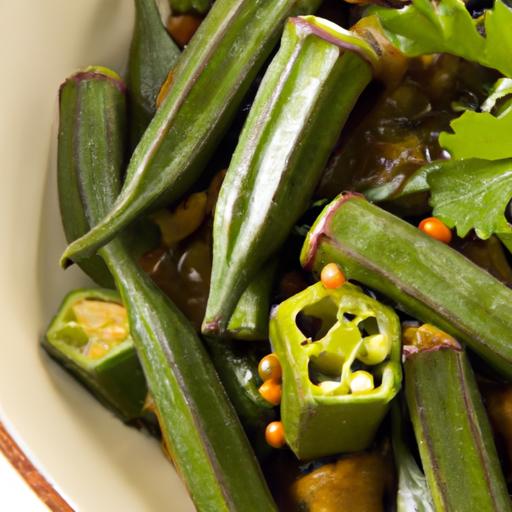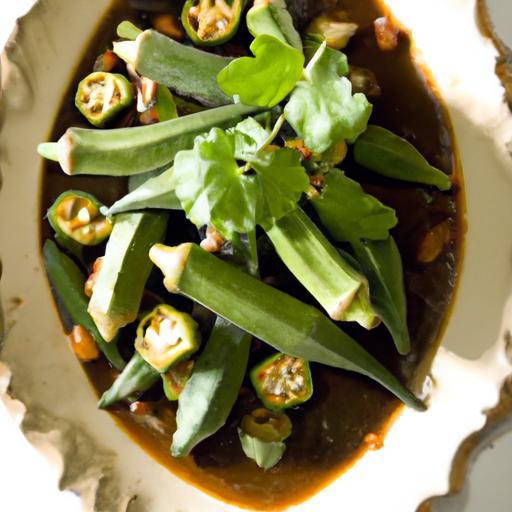
there’s a magic in the humble okra-its vibrant green pods, its unique texture, and the way it transforms humble ingredients into a hearty, soul-satisfying dish.Okra stew, a beloved culinary treasure across continents, carries with it stories of tradition, culture, and community, simmered slowly in pots passed down through generations.In this flavorful journey, we peel back the layers of history and technique behind okra stew, uncovering how this seemingly simple dish encapsulates rich heritage and bold flavors. Prepare to embark on a sensory adventure that celebrates not just a recipe, but the vibrant tapestry of cultures woven into every spoonful.
The Origins and Cultural significance of Okra Stew
Okra stew has long been a beloved dish across various cultures, each adding its unique touch to this comforting, hearty meal. Rooted in West African culinary traditions, okra stew is more than just food-it is indeed a symbol of community, resilience, and connection. Historically, okra was brought to the Americas during the transatlantic slave trade, where it found new life in Southern cuisine, especially within Creole and Cajun kitchens.This stew embodies a melding of cultures and stories, often served during family gatherings and festive occasions, where its rich, velvety texture brings warmth and a sense of togetherness. The sticky,almost silky mouthfeel of okra helps to thicken the broth naturally,making it a versatile ingredient celebrated far beyond its humble origins.
Prep and Cook Time
- Preparation Time: 20 minutes
- Cooking Time: 45 minutes
- Total Time: 1 hour 5 minutes
yield
Serves 6 hearty portions
Difficulty Level
Medium – approachable for cooks familiar with slow-simmered dishes
Key Ingredients and Their Unique Contributions to Flavor
- Fresh okra (500g): The star ingredient, offering a distinctive mucilaginous texture that thickens the stew and delivers subtle earthiness.
- Ripe tomatoes (4 medium, diced): Provide acidity and sweetness, balancing the stew’s earthy flavors and creating vibrant colour.
- Onion (1 large, finely chopped): Adds a natural sweetness and aromatic depth when sautéed.
- Garlic cloves (4 minced): Infuse sharp, savory notes elevating the savory base of the stew.
- Bell peppers (1 red, diced): introduce mild sweetness and a splash of color.
- Smoked paprika (1 tsp): Offers a warm, smoky undertone that adds complexity.
- Ground coriander (1 tsp): Brings citrusy floral notes,enhancing the stew’s fragrance.
- Vegetable broth (3 cups): The flavorful liquid component that helps marry all the ingredients.
- Fresh parsley and cilantro (2 tbsp each, chopped): Brighten the stew with fresh, herbaceous accents.
- Olive oil (3 tbsp): Essential for sautéing, contributing subtle fruitiness and richness.
- Salt and freshly cracked black pepper: To taste, seasoning to enhance all flavors.
Step-by-Step Preparation Techniques for Authentic Okra Stew
- Prepare the ingredients: Rinse and slice the okra into 1/2-inch pieces. Dice tomatoes, onion, and red bell pepper. Mince garlic and chop herbs.
- Heat the olive oil in a large,heavy-bottomed pot over medium heat. Add the onions and sauté until translucent, about 5 minutes, stirring often to avoid browning.
- Add the garlic and bell peppers, cooking for another 2-3 minutes until fragrant and soft.
- Stir in the diced tomatoes, smoked paprika, and ground coriander. Simmer gently, breaking down the tomatoes and allowing flavors to meld, approximately 7 minutes.
- Add the sliced okra and pour in the vegetable broth. Bring the stew to a boil,then reduce heat to low and let it simmer uncovered for 25-30 minutes,stirring occasionally to prevent sticking.
- Season with salt and pepper, tasting as you go to adjust for balance. The stew should thicken to a slightly velvety consistency thanks to the okra’s natural mucilage.
- Just before serving, stir in the chopped parsley and cilantro to add freshness and vibrant color.
Expert Tips and Variations to Elevate Your Culinary Experience
- For extra depth, try adding a diced sweet potato or butternut squash early in the cooking process for subtle sweetness and creaminess.
- to keep okra from becoming too slimy, sauté it briefly before adding it to the stew or add acidic ingredients like tomatoes early-both techniques help control the texture.
- Try a smoky twist by substituting smoked paprika with chipotle powder, giving the stew a gentle heat alongside the smokiness.
- For a protein boost, add cooked chickpeas or tender hand-pulled shredded chicken (or turkey) when adding the broth, making the stew heartier but still keeping it pork-free.
- Make it ahead: Okra stew tastes even better the next day when flavors have melded. Store in an airtight container and reheat gently.
- adjust the spice level by including a finely chopped chili or a dash of cayenne pepper during the spice addition stage.
Serving Suggestions
This versatile okra stew pairs beautifully with fluffy steamed rice, creamy mashed potatoes, or even a slice of crusty, rustic bread to soak up the luscious broth. For a vibrant finish, garnish servings with a sprinkle of fresh parsley and a drizzle of extra virgin olive oil. A squeeze of fresh lemon or lime juice at the table can brighten the flavors further, creating a delightful balance. For added texture and color, serve alongside roasted vegetables or a crisp green salad tossed with a light vinaigrette.
| Nutrient | Per Serving |
|---|---|
| Calories | 180 kcal |
| Protein | 5 g |
| Carbohydrates | 28 g |
| Fat | 6 g |

For further explorations of rich vegetable stews, check out our Vegetable Gumbo Recipe. To deepen your knowledge on okra’s nutritional benefits, visit the Nutrition Value Database.
Q&A
Q&A: Okra Stew Unveiled – A Flavorful Journey Through Tradition
Q1: What is okra stew, and why is it considered a culinary treasure?
A1: Okra stew is a hearty, comforting dish where tender okra pods mingle with savory ingredients to create layers of flavor and texture. Frequently enough celebrated in various cultures, this stew is more than just a meal-it’s a tradition steeped in history, connecting generations through its rich aroma and distinctive, slightly slippery texture that delights the palate.
Q2: Where does okra stew originate from?
A2: The origins of okra stew trace back to several regions across Africa, the Middle East, and the American South, each infusing the dish with local spices and techniques. This stew’s journey mirrors the migration of okra itself, which was brought from Africa to the New World, evolving into unique regional variations while maintaining its soulful essence.Q3: What makes okra a special ingredient in stews?
A3: Okra’s standout feature is its mucilaginous quality-a natural gelatinous texture that acts as a thickener, binding ingredients into a velvety embrace. Beyond texture, okra boasts a mild, slightly grassy flavor that complements bold spices and rich broths, making it a versatile star in both vegetarian and meat-based stews.
Q4: How do traditional recipes honor the cultural identity of okra stew?
A4: Traditional okra stew recipes are often passed down orally or scribbled in worn family cookbooks, carrying the fingerprints of ancestors. They honor the land and seasons by incorporating locally sourced ingredients and reflect the community’s palate through specific spice blends, cooking methods, and accompaniments, preserving a living story behind every simmer.
Q5: Can okra stew be adapted for modern palates and lifestyles?
A5: Absolutely! While the soul of okra stew thrives in tradition, contemporary chefs experiment with fusion flavors, substituting proteins, or adding unexpected vegetables. Whether slow-cooked in a rustic clay pot or whipped up in a speedy weeknight version, okra stew remains a canvas for creativity without losing its comforting roots.
Q6: What are some essential tips for cooking the perfect okra stew?
A6: To achieve a balanced okra stew, select fresh, tender pods to avoid unwanted sliminess overpowering the dish. Sautéing okra before stewing can enhance flavor and texture,while layering spices gradually brings depth. Patience is key-slow simmering allows flavors to meld, inviting a soulful taste that warms both heart and home.
Q7: How does enjoying okra stew connect us to cultural heritage?
A7: Sharing okra stew is an intimate act-each bite holds history, community, and identity. It evokes memories of family gatherings, celebrations, and resilience. By savoring this humble yet profound dish, we partake in a cultural dialog that spans continents and centuries, reminding us that food is a powerful vessel for tradition and belonging.
To Conclude
As our flavorful journey through the heart of okra stew comes to a close, we find more than just a dish simmering in a pot-we uncover a tapestry woven from tradition, culture, and community. This humble stew, with its vibrant textures and rich aromas, tells stories of heritage passed down through generations, inviting each of us to savor not only its taste but also its history. Whether enjoyed in a bustling market or around a family table, okra stew remains a timeless celebration of flavor and connection. So next time you ladle this comforting dish onto your plate, remember you’re partaking in a culinary legacy that continues to unite and inspire across the world.