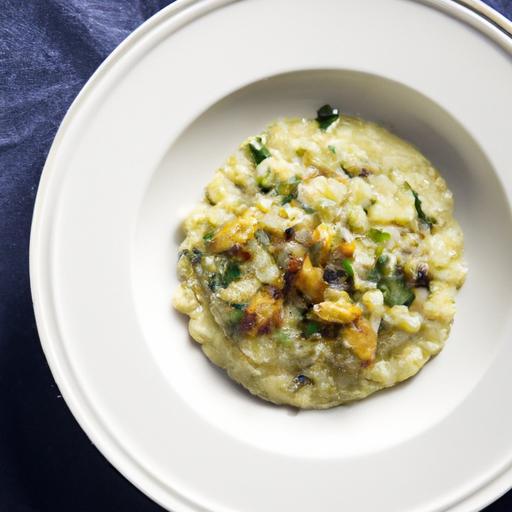
There’s something undeniably enchanting about a perfectly cooked risotto-a dish that transforms simple grains of rice into a luxuriously creamy, velvety masterpiece with each spoonful. Yet, achieving that impeccable silkiness frequently enough feels like an elusive art, a delicate dance between patience, technique, and intuition. in this article, we’ll unravel the secrets behind mastering creamy risotto, guiding you through every step to unlock its luscious texture and deep, comforting flavors. Whether you’re a curious home cook or a seasoned culinary adventurer, prepare to elevate your risotto game from ordinary to extraordinary, one stirring motion at a time.
Mastering creamy risotto starts with understanding that every element, from rice selection to stirring techniques, builds toward that luscious, indulgent finish. Originating from Northern Italy, risotto has long been cherished for its ability to transform humble ingredients into a velvety, soulful dish that comforts and impresses alike. Through thoughtful choices and precise steps, you can easily recreate this classic with a silky texture and rich depth that invites second helpings.
prep and Cook Time
- Preparation: 10 minutes
- Cooking: 30-35 minutes
- Total Time: 40-45 minutes
Yield
Serves 4 generous portions
Difficulty level
Medium – requires attention but rewarding and achievable
Ingredients
- 1 ½ cups Arborio rice (short-grain for optimal starch release)
- 4 cups low-sodium vegetable broth, kept warm
- 1 small yellow onion, finely chopped
- 3 tablespoons unsalted butter, divided
- 2 tablespoons extra virgin olive oil
- 3 garlic cloves, minced
- ¾ cup freshly grated Parmigiano-Reggiano cheese
- Salt and freshly ground black pepper, to taste
- Fresh parsley, chopped (optional for garnish)
Instructions
- Warm the broth: Pour your vegetable broth into a saucepan and keep it at a gentle simmer over low heat. Having warm broth ready ensures consistent absorption and prevents temperature shock to the rice.
- Toast the rice: In a large heavy-bottomed skillet or risotto pan, heat 2 tablespoons of butter with the olive oil over medium heat.Add the chopped onion and sauté until translucent, about 3-4 minutes. Stir in garlic and cook for 1 minute more.
Then, add Arborio rice, stirring constantly for about 2-3 minutes until the grains are glossy and toasted to a pale golden hue. This step unlocks nutty aromas and primes the rice to soak up flavor. - Deglaze and begin liquid absorption: Pour in one ladle (about ½ cup) of warm broth. Stir constantly, scraping the pan’s bottom to lift any caramelized bits (fond) that enrich the taste. Allow the rice to absorb the liquid slowly while stirring frequently; this enhances creaminess by releasing starch evenly.
- Balance heat and timing: Continue adding broth, one ladle at a time, stirring gently and waiting until moast liquid is absorbed before adding more. Maintain a medium-low heat to prevent rushing; a slow, steady process ensures a luxurious, silky mouthfeel without the rice becoming mushy. After about 18-22 minutes, start tasting-the grains should be tender with a slight al dente bite.
- Finish with broth and cheese: Once the rice reaches desired consistency, remove from heat. Stir in the remaining tablespoon of butter and grated parmigiano-Reggiano cheese until melted and fully incorporated. The cheese infuses rich, savory depth while butter adds silkiness, harmonizing to a sumptuous finish.
- Season and rest: Taste and adjust with salt and pepper. Let risotto rest for a minute with a lid loosely covering to set the texture before serving.
Tips for Success
- Rice matters: Arborio is preferred becuase of its high starch content, but Carnaroli or Vialone Nano are excellent alternatives providing an even creamier texture.
- Consistent stirring: Stir patiently and regularly to coax out starch but avoid vigorous stirring, which can break the grains.
- Broth warmness: Always add warm broth; cold broth shocks the rice and interrupts cooking progression.
- Cheese quality: Use fresh Parmigiano-Reggiano for authentic flavor and creaminess-pre-grated options lack melt and nuance.
- Make-ahead idea: prepare risotto just shy of doneness, cool quickly, then reheat gently with extra broth or stock, stirring to recapture creaminess.
Serving Suggestions
Serve your creamy risotto straight from the pot, garnished with a sprinkle of fresh chopped parsley and an additional dusting of Parmigiano-Reggiano. For added texture contrast, a handful of toasted pine nuts or thinly shaved sautéed mushrooms can elevate the plate. Pair with a crisp green salad or roasted seasonal vegetables for a complete meal that balances richness with freshness.

| Nutrient | Per serving |
|---|---|
| Calories | 380 kcal |
| Protein | 10 g |
| Carbohydrates | 58 g |
| Fat | 10 g |
Discover more about perfect rice varieties and Italian cooking techniques in our Italian cooking Basics guide. For an authoritative deep dive into risotto science and technique, visit Cook’s Illustrated on Risotto.
Q&A
Q&A: Mastering Creamy Risotto – Secrets to Silky Perfection
Q1: What makes risotto so creamy and distinctive compared to other rice dishes?
A1: The signature creaminess of risotto comes from the unique starch content of arborio or carnaroli rice grains. As they cook slowly in liquid, these grains release their starch, transforming the dish into a luscious, velvety masterpiece. Unlike pilaf or plain steamed rice, risotto’s creaminess is the result of constant stirring and gradual absorption of broth, coaxing out that silky texture.
Q2: Can I use any type of rice to make risotto?
A2: While technically you can,the magic lies in using short- or medium-grain Italian varieties like arborio,Carnaroli,or Vialone Nano. These rice types have a high starch content essential for achieving risotto’s creamy consistency. Using long-grain rice typically results in a drier, less cohesive dish.
Q3: How critically important is the stirring in the risotto-making process?
A3: Stirring is the heart and soul of risotto.Constant, gentle stirring not only prevents the rice from sticking but also encourages the grains to release their starch slowly.This technique creates the luscious creaminess that defines a perfect risotto. Skimp on stirring, and you risk ending up with a gluey or unevenly cooked dish.
Q4: Why do chefs add broth gradually rather of all at once?
A4: Gradual broth addition allows the rice to absorb liquid slowly, releasing starch steadily with each addition. Pouring the broth all at once can shock the rice, resulting in a mushy or bland dish. patience in ladling broth bit by bit is how the risotto develops layers of flavor and that signature silkiness.
Q5: Are there any secret ingredients or techniques to elevate a basic risotto?
A5: Absolutely! Finishing with a knob of cold butter and a generous shower of freshly grated Parmesan cheese-known as mantecatura-creates an unctuous finish that feels almost decadent. Some chefs also add a splash of white wine early on for brightness or a touch of cream for extra indulgence. Fresh herbs,toasted nuts,or a squeeze of lemon can add surprising depth without overpowering the delicate balance.
Q6: How do I know when my risotto is perfectly cooked?
A6: Perfect risotto is tender yet slightly firm to the bite-al dente-with a creamy, flowing consistency that gently spreads on the plate.The grains should be separate but coated in a silky sauce,not dry or mushy. Timing and tasting as you go are key; once the rice is just right, remove it from the heat immediately.
Q7: Can risotto be made ahead of time and reheated?
A7: Risotto is best enjoyed fresh, as it tends to lose its creamy texture upon cooling and reheating. However, if you must prepare it ahead, keep it slightly undercooked and gently reheat with a splash of hot broth or water, stirring constantly to coax back some creaminess. For a make-ahead alternative, consider using cooled risotto as a base for arancini-crispy, golden fried rice balls that are pure comfort.
Q8: What’s the best way to experiment with flavors without ruining the risotto’s texture?
A8: The beauty of risotto is its versatility. Start with a classic base-onion sautéed in butter or olive oil, white wine, and quality broth-then subtly layer in your flavorings. Add delicate ingredients like mushrooms or peas mid-cooking so they blend with the rice, while finishing touches like truffle oil, herbs, or citrus zest added off-heat preserve their fragrance. Balance is key; keep the consistency silky, letting flavors complement without overwhelming the creamy canvas.
Mastering risotto is a dance between patience, technique, and intuition.With these secrets in hand, you’re ready to create bowls of silken, comforting magic that will enchant any table. Happy stirring!
In Retrospect
As you embark on your next culinary adventure, remember that mastering creamy risotto is less about rigid rules and more about mindful patience, quality ingredients, and a touch of intuition. each stirring motion invites a transformation-from humble grains to a luscious, velvety masterpiece that delights the senses. With these secrets in your kitchen arsenal,the alchemy of silky perfection is well within your grasp. So grab your wooden spoon, embrace the rythm of the simmer, and let every bite tell the story of your newfound risotto mastery.