Beneath the golden crust of a simple Johnnycake lies a story as rich and textured as the batter itself-a tale woven through centuries, cultures, and kitchens.Often overshadowed by flashier breakfast fare, the Johnnycake stands as a humble yet enduring symbol of culinary tradition, crisped to perfection and steeped in history. In “Johnnycakes Uncovered: A Crispy Journey Through Tradition,” we embark on an explorative adventure to uncover the origins, evolution, and the timeless appeal of this beloved flatbread. Join us as we peel back the layers of time to reveal how a straightforward blend of cornmeal and water became a treasured staple, connecting communities from Native american roots to modern tables worldwide.
Origins and Evolution of Johnnycakes Across American Regions
Johnnycakes uncovered reveal a rich culinary tapestry rooted in Native American traditions,evolving regionally across the United States. originally made by indigenous peoples using simple cornmeal, water, and salt, this humble flatbread nourished early settlers and travelers alike. From the crisp, thin johnnycakes of New EnglandS coast to the thicker, fluffier versions found in the Southern states, each region adds its own twist-whether it’s substituting yellow or white cornmeal or adjusting thickness to suit local tastes.
The evolution is as flavorful as it is indeed historic: in Rhode Island, johnnycakes are frequently enough enjoyed as a slightly sweet breakfast treat, while in the South, they complement savory dishes like fried chicken or collard greens. This versatility across American households illustrates why mastering johnnycakes creates a culinary bridge through time and geography, capturing the essence of comfort food with a golden, crispy edge.
Prep and Cook Time
- Preparation: 10 minutes
- Cooking: 15 minutes
- Total Time: 25 minutes
Yield
Serves 4 hearty portions (about 8 johnnycakes)
Difficulty Level
Easy to Medium - perfect for beginners aiming for crispy, golden results with minimal fuss
Ingredients
- 1 cup yellow or white cornmeal, preferably stone-ground
- ¾ cup warm water (adjust for batter consistency)
- ½ tsp fine sea salt
- 1 tbsp unsalted butter or vegetable oil, plus more for cooking
- 1 tsp baking powder (optional for fluffier texture)
- 2 tbsp all-purpose flour (helps bind the batter)
- 1 tbsp honey or maple syrup (optional, for a subtle sweet note)
instructions
- Mix dry ingredients: In a large bowl, combine the cornmeal, all-purpose flour, sea salt, and baking powder. Stir thoroughly to ensure even distribution.
- Prepare wet ingredients: Warm the water until just slightly hot to the touch (~110°F/43°C). Whisk in the honey or maple syrup, if using, plus the melted butter or oil.
- Combine batter: Slowly pour the wet mixture into the dry ingredients, stirring gently with a wooden spoon or spatula until a thick, spoonable batter forms. It should be slightly runny but hold shape when spooned-a consistency similar to thick pancake batter.
- Rest the batter: Let the batter sit for 5 minutes. This allows the cornmeal to hydrate fully and yields a better texture.
- Heat the pan: preheat a heavy skillet or cast-iron pan over medium heat. Add a small pat of butter or a teaspoon of oil, coating the surface evenly.
- Cook the johnnycakes: Spoon 2-3 tablespoons of batter per johnnycake into the pan, spreading slightly to form rounds about 4 inches in diameter. Cook for approximately 3-4 minutes until the edges look set and the underside is golden brown.
- Flip carefully: using a thin spatula, flip each johnnycake and cook the other side for 2-3 minutes until crispy and golden. Adjust heat as needed to avoid burning.
- Keep warm: Transfer cooked johnnycakes to a warm plate and cover loosely with foil while you cook the remaining batter.
Tips for Success
- Achieving crispiness: Use a well-seasoned cast-iron skillet if possible and don’t overcrowd the pan, giving each cake room for proper browning.
- Batter adjustments: For thicker johnnycakes, reduce water slightly; for thinner, add a splash more. Avoid overmixing to prevent tough textures.
- Make-ahead: Prepare the batter up to 2 hours ahead,keep covered at room temperature,stir before cooking.
- Variation: Swap water for buttermilk to add tang and tenderness without losing the essential crisp exterior.
- Gluten-free adaptation: Replace all-purpose flour with a gluten-free blend if necessary, though this may slightly affect batter cohesion.
customary and Modern Toppings to Elevate Your Johnnycake Experience
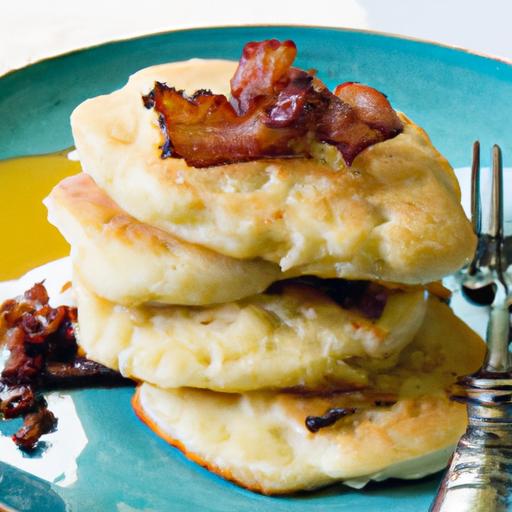
Classic toppings like a pat of melting unsalted butter and a drizzle of maple syrup never fail,but modern innovations add new life to these golden cakes. Try smearing on creamy avocado mash with a sprinkle of chili flakes for a savory twist. Alternatively, layer with fresh berries and whipped coconut cream to complement the crisp corn flavor with a touch of sweetness and freshness.
Embrace savory toppings like smoked turkey slices and honey mustard drizzle or use a dollop of tangy labneh paired with roasted cherry tomatoes and fresh basil for a gourmet snack. Whether sweet or savory, the key is balancing textures and flavors to complement the crunchy, warm johnnycakes.
Pairing Johnnycakes with Drinks and Sides for a Complete Meal
Johnnycakes are wonderfully versatile companions to an array of beverages and sides. Traditional pairings include rich, creamy butternut squash soup or smoky black-eyed peas for a comforting Southern-inspired plate. For breakfast or brunch, pair your johnnycakes with freshly brewed coffee or a shining, citrusy orange juice to cut through the richness.
On the beverage front, a spiced chai tea or an herbal ginger-infused iced tea enhances the corn’s natural sweetness while refreshing the palate. For a heartier meal, pair with sautéed greens like kale or collards dressed with garlic and lemon for a balanced and satisfying experience.
| Nutrient | Per Serving (2 johnnycakes) |
|---|---|
| Calories | 180 kcal |
| Protein | 3.5 g |
| Carbohydrates | 30 g |
| Fat | 5 g |

For an in-depth look at North American cornbread variants, see our Cornbread Traditions across North America.For past context on indigenous food heritage, visit Smithsonian National Museum of the American Indian.
Q&A
Q&A: Johnnycakes Uncovered - A crispy Journey Through Tradition
Q1: What exactly is a johnnycake?
A1: At its heart, a johnnycake is a simple, crispy flatbread made from cornmeal, water, and salt. Think of it as a humble, golden pancake that carries centuries of history and culture in every bite.
Q2: Where do johnnycakes originate from?
A2: Johnnycakes trace their roots back to Native American tribes along the Eastern seaboard of what is now the united States.Early colonists adopted and adapted this cornmeal bread, embedding it into early American culinary traditions.Q3: how have johnnycakes evolved over time?
A3: While the core ingredients remain timeless, johnnycakes have seen regional twists-sometimes enriched with sugar, butter, or spices. From being a staple survival food to becoming a beloved breakfast treat, their journey is as crispy and layered as the johnnycakes themselves.
Q4: What makes a perfect johnnycake?
A4: The magic lies in a balance of texture and flavor. A perfectly cooked johnnycake boasts a golden-brown crust that cracks under your teeth, revealing a tender, corn-scented crumb inside. The secret? A hot griddle and a patient hand.
Q5: Are johnnycakes still popular today?
A5: Absolutely! From New England kitchens to Caribbean tables, johnnycakes are celebrated in festivals, diners, and family recipes worldwide.They bridge past and present, reminding us how simple ingredients can create lasting traditions.Q6: Can johnnycakes be savory or sweet?
A6: Both! johnnycakes are wonderfully versatile. They can be served with butter and molasses for a sweet touch, or paired with salty accompaniments like fried fish or savory stews, making them a canvas for myriad culinary expressions.
Q7: How can someone make johnnycakes at home?
A7: All you need is cornmeal, salt, water, and a hot skillet. Mix the cornmeal with water and salt to form a batter, then ladle it onto a greased pan. Cook until golden on both sides, and voilà-a crispy taste of tradition ready to enjoy.
Q8: What cultural meaning do johnnycakes hold?
A8: More than just food, johnnycakes tell stories of resilience, adaptation, and community. They reflect the blend of Indigenous knowledge and colonial history, symbolizing sustenance in tough times and comfort in gatherings.Q9: Why should modern food lovers care about johnnycakes?
A9: Because in every crispy edge of a johnnycake lies a piece of history and an invitation to connect with simpler, slower culinary traditions. They remind us that food is not only nourishment but a living heritage worth savoring.
Q10: What’s the best way to enjoy a johnnycake?
A10: Whether smothered in butter and maple syrup, paired with seafood chowder, or simply enjoyed warm from the griddle-eat your johnnycake with curiosity, gratitude, and a crisp bite of tradition.
In Retrospect
As the final crumbs of our crispy journey settle, Johnnycakes emerge not just as a humble cornmeal treat, but as enduring symbols of heritage and community. Through every golden bite, they carry stories of generations past, weaving together tradition and taste in a way few dishes can. Whether enjoyed on a quiet morning or at a bustling family table, Johnnycakes remind us that sometimes, the simplest recipes hold the richest histories. So next time you savor that perfectly crisp edge, remember-you’re tasting more than food; you’re savoring a legacy uncovered.