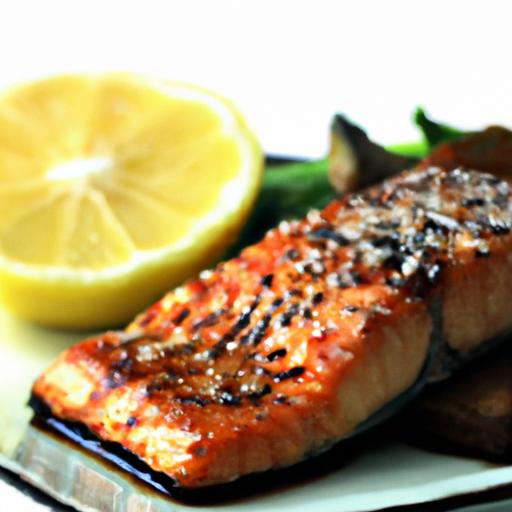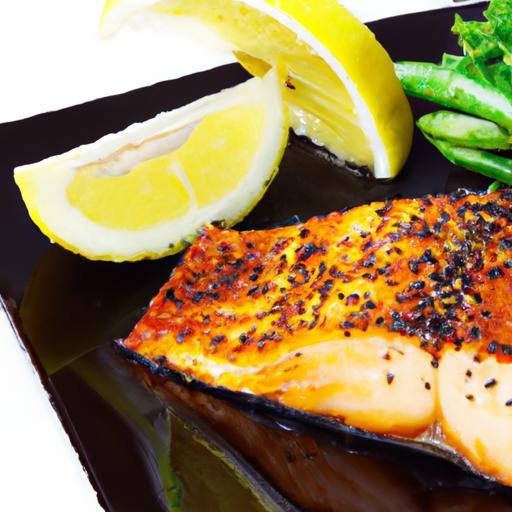
There’s a certain magic in the way Japanese cuisine marries simplicity with bold, unforgettable flavors-none more so then in the beloved teriyaki salmon. With its glossy, caramelized glaze and tender, flaky flesh, teriyaki salmon is a dish that invites both comfort and party at the dinner table. Whether you’re a seasoned home cook or just starting your culinary journey, mastering this classic recipe opens the door too a world of vibrant tastes and versatile cooking techniques. in this article, we’ll dive deep into the art and science of crafting perfect japanese teriyaki salmon, exploring everything from authentic marinades to foolproof cooking methods that promise a symphony of sweet, savory, and umami notes in every bite. get ready to savor the flavor and elevate your kitchen repertoire with this timeless Japanese favorite.
Exploring the Rich History and Cultural Importance of teriyaki Salmon
Savor the Flavor Japanese Teriyaki Salmon Recipes bring more than just a meal to the table-they offer a journey through Japan’s culinary heritage. Teriyaki, derived from teri meaning ‘glaze’ and yaki meaning ‘grill’ or ‘broil,’ has long been celebrated for its glossy, savory-sweet coating that enhances the natural richness of ingredients like salmon. Traditionally, this cooking method originated during the Edo period, where fishermen and farmers mastered it to elevate simple catches into dishes worthy of festive occasions.
Salmon, native to Northern Pacific waters, became a beloved canvas for teriyaki in modern Japanese-American fusion cuisine, thanks to its buttery texture and mild flavor, creating a harmonious balance. This dish captures the essence of Japanese home cooking-simple ingredients transformed by precise techniques and deep respect for fresh produce. Developing the perfect teriyaki glaze and technique for salmon unlocks layers of umami and caramelization that will inspire your inner chef.
Prep and Cook Time
- Preparation: 15 minutes
- Cooking: 12-15 minutes
- Total Time: 30 minutes
Yield
Serves 4 generously
Difficulty Level
Easy to Medium – accessible for home cooks ready to impress
Essential Ingredients and Techniques for Authentic Flavor
The core of impressive teriyaki salmon lies in the glaze-a luscious mixture balancing soy sauce,mirin,and Japanese brown sugar or honey. These components not only provide sweetness and saltiness but also form that characteristic shine which clings to the salmon as it cooks. Using fresh, sashimi-grade salmon fillets with firm texture will guarantee a tender bite that doesn’t flake apart during glazing. Employing medium heat and careful timing helps develop a caramelized exterior while keeping the interior moist.
- Soy sauce: the salty backbone, opt for Japanese-style like Kikkoman for authentic depth
- Mirin: a sweet rice wine that adds subtle acidity and gloss
- Brown sugar or honey: for caramelization and natural sweetness
- Fresh ginger & garlic: optional but add layers of warmth and aroma
- toasted sesame seeds & scallions: for garnish and textural contrast
- High-quality salmon fillets: skin-on for crispiness or skinless for easy plating
Step-by-Step Guide to Achieving the Perfect Glaze and Texture
- Prepare the glaze: In a small bowl, whisk together ½ cup soy sauce, ¼ cup mirin, 2 tbsp brown sugar, 1 tsp freshly grated ginger, and 1 minced garlic clove until sugar dissolves.
- Pat salmon dry: Use a paper towel to ensure the salmon surface is dry - this helps the glaze stick and encourages crispy edges.
- Heat a non-stick skillet: Over medium heat, add 1 tbsp vegetable or sesame oil. Once shimmering, place salmon skin-side down (if keeping skin on).
- Sear the salmon: Cook for about 4-5 minutes, undisturbed, until the skin crisps and the salmon is cooked 2/3 of the way through.
- Flip carefully: Turn fillets and reduce heat to medium-low.
- Add the teriyaki glaze: Pour the sauce over the salmon and let it simmer gently for 3-5 minutes, spooning the thickening glaze over the fillets continuously.
- Glaze to perfection: When the sauce becomes syrupy and coats the salmon in a shiny, sticky layer, it’s ready. Avoid overcooking-salmon should remain moist inside.
- Rest briefly: Remove from heat and allow to rest for 2 minutes to let flavors settle and juices redistribute before plating.
Creative Twists to Elevate Your Teriyaki Salmon Experience
While the classic glaze is irresistible, personalizing this dish can surprise and delight. Consider adding a splash of freshly squeezed yuzu juice for citrus brightness or mixing in a teaspoon of toasted sesame oil for a nutty dimension to your teriyaki sauce. For a smoky approach, lightly char the salmon under a broiler after glazing. Another vibrant idea is serving the salmon on a bed of matcha-infused rice or alongside quick-pickled cucumber ribbons to cut through the richness.
Vegetable accompaniments like sautéed bok choy or roasted shiitake mushrooms complement the umami profile beautifully.Sprinkle with toasted sesame seeds and chopped scallions for not only an aesthetic boost but an added crunch and flavor contrast.
Ingredients
- 4 salmon fillets (6 oz each), skin-on or skinless
- ½ cup soy sauce (preferably Japanese style)
- ¼ cup mirin
- 2 tbsp brown sugar or honey
- 1 tsp fresh ginger, grated
- 1 clove garlic, minced
- 1 tbsp vegetable or toasted sesame oil
- Toasted sesame seeds, for garnish
- 2 scallions, thinly sliced, for garnish
- Optional: 1 tbsp yuzu juice or fresh lemon juice
Instructions
- Mix the sauce: Combine soy sauce, mirin, brown sugar, ginger, and garlic until the sugar dissolves completely.
- Dry and season salmon: Pat salmon fillets dry with paper towels to enhance searing.
- Heat the oil: Warm oil in a skillet on medium heat. Add salmon skin-side down. Cook undisturbed for 4-5 minutes until crisp.
- flip salmon: Turn to the other side and reduce heat to medium-low.
- Simmer with sauce: Pour teriyaki glaze over the fillets. Cook gently, basting constantly, until glaze thickens and coats the salmon.
- Remove and rest: Take salmon off heat and rest for 2 minutes before serving to maintain juiciness.
- Garnish: Sprinkle with toasted sesame seeds and sliced scallions before plating.
Tips for Success
- Use fresh salmon: For best texture and flavor, choose wild-caught or sashimi-grade where possible.
- Control the heat: Cooking on medium to medium-low prevents burning the glaze while fully cooking the fish.
- Make the glaze ahead: Prepare extra glaze and store refrigerated for up to 3 days-reheat gently before use.
- Skin preference: Leaving skin on adds texture and helps hold the fillet together but remove if preferred.
- Gluten-free option: substitute soy sauce with tamari or coconut aminos.
Serving Suggestions
Serve your teriyaki salmon with steamed jasmine rice or a light soba noodle salad tossed in rice vinegar. add a side of blanched asparagus or wilted spinach dressed with sesame oil to build a balanced plate. Garnish liberally with freshly chopped scallions and a sprinkle of sesame seeds for that authentic look and crunch. For an elevated presentation, arrange thin slices of pickled ginger and a wedge of lime or yuzu on the side. A crisp cucumber salad with toasted sesame dressing perfectly cuts through the dish’s richness, refreshing the palate.

| Nutrient | Per Serving |
|---|---|
| Calories | 350 kcal |
| Protein | 34 g |
| Carbohydrates | 12 g |
| Fat | 18 g |
For a deeper dive into Japanese flavors and ingredients, explore more recipes in our Japanese Cooking Basics series. Learn about the origins of key seasonings on Japan Guide, a trusted resource.
Q&A
Q&A: Savor the Flavor - Mastering Japanese Teriyaki Salmon Recipes
Q1: What makes Japanese teriyaki salmon so special compared to other salmon dishes?
A1: Japanese teriyaki salmon is a harmonious blend of simplicity and depth. The magic lies in the teriyaki sauce-a delicate balance of soy sauce, mirin, sake, and sugar-that caramelizes gently on the salmon’s surface, creating a glossy, umami-rich glaze. This combination highlights the salmon’s natural richness while infusing it with sweet, salty, and savory notes that dance on your palate.
Q2: What are the essential ingredients for an authentic teriyaki sauce?
A2: To craft authentic teriyaki sauce, you’ll need four stars of the show: soy sauce, mirin (a sweet rice wine), sake (a Japanese rice wine), and sugar. These ingredients combine to create that signature glossy glaze with a perfect harmony of sweet and savory. Some variations might add ginger or garlic for a hint of warmth, but the customary quartet remains the heart of teriyaki.
Q3: How do you achieve the perfect texture for teriyaki salmon?
A3: The key is in balancing heat and timing. Start with fresh salmon fillets, pat them dry for an even sear, and cook on medium heat. This allows the salmon’s surface to caramelize without drying out the interior. Baste frequently with the teriyaki sauce so the flavors build layer by layer, yielding a tender, flaky filet wrapped in a luscious glaze.
Q4: Can I substitute ingredients if I don’t have sake or mirin?
A4: Absolutely! While sake and mirin provide authentic depth, you can improvise. For mirin, a mix of dry sherry or white wine with a pinch of sugar works well. If sake is unavailable, dry white wine or even a splash of rice vinegar can substitute. The secret is maintaining the balance between sweet and savory, so adjust sugar and acidity carefully.
Q5: What side dishes complement teriyaki salmon for a complete Japanese-inspired meal?
A5: Teriyaki salmon shines brightest alongside simple, fresh accompaniments. Consider steamed white rice or sushi rice to soak up the luscious sauce. A crisp cucumber salad with sesame, pickled ginger, or lightly sautéed bok choy adds refreshing contrast. Miso soup and a sprinkle of toasted sesame seeds or chopped scallions finish the meal with authentic flair.
Q6: How can I make my teriyaki salmon healthier without sacrificing flavor?
A6: For a health-conscious twist, opt for low-sodium soy sauce and moderate the sugar quantity. Baking or grilling the salmon instead of pan-frying reduces added fats but still allows the teriyaki glaze to shine. Pair with plenty of steamed vegetables and whole grains to keep the meal balanced and vibrant.
Q7: Any pro tips for prepping teriyaki salmon ahead of time?
A7: marinate the salmon in teriyaki sauce for 30 minutes up to 2 hours before cooking-this infuses flavor without overpowering the fish. If prepping for a crowd, make the teriyaki sauce in advance; it keeps well refrigerated for up to a week.Just reheat gently and brush onto salmon as it cooks for that perfect shiny finish.
Q8: What is the cultural significance of teriyaki in Japanese cuisine?
A8: Teriyaki dates back several centuries, embodying the Japanese culinary principle of enhancing natural flavors with minimal fuss. The word “teriyaki” combines ”teri” (shine) and “yaki” (grill or broil), reflecting the dish’s trademark glossy finish achieved through careful grilling and glazing. It symbolizes a celebration of umami and balance in everyday cooking.
Whether you’re a kitchen novice or a seasoned chef, mastering Japanese teriyaki salmon invites you into a flavorful world where tradition meets taste. With these tips and insights, your dinner plate transforms into a canvas of sweet, savory, and succulent delight. Savor every bite!
The Way Forward
As you’ve discovered, mastering Japanese teriyaki salmon is more than just following a recipe-it’s about embracing a harmonious blend of flavors, techniques, and cultural recognition.Whether you’re glazing the salmon with that perfect sweet and savory sauce or serving it alongside fragrant steamed rice and crisp vegetables,each bite tells a story of tradition and culinary artistry. So, roll up your sleeves, channel your inner chef, and let the rich, glossy allure of teriyaki salmon transform your kitchen into a gateway to Japan’s vibrant food heritage. With practice and passion, every meal becomes an prospect to savor the flavor-and share a tasty piece of Japan with those around your table.