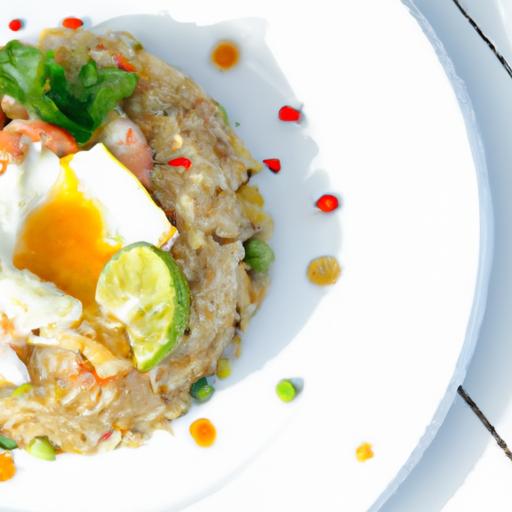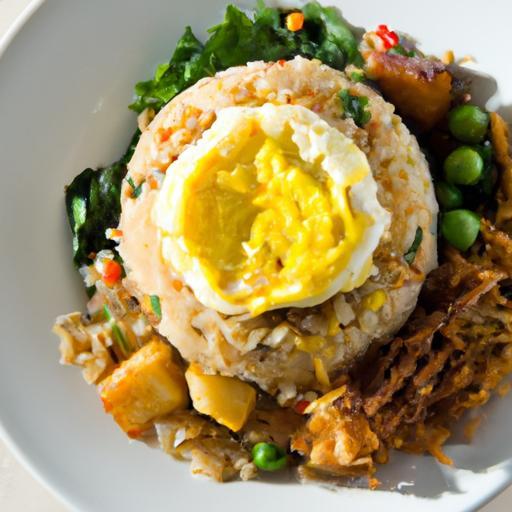
Hidden within the vibrant tapestry of Indonesia’s culinary heritage lies a dish that is much more than just a meal-Nasi Goreng, the nation’s beloved fried rice. Revered from bustling street stalls to elegant dining tables, this iconic dish tells a story of tradition, flavor, and cultural fusion with every savory bite. In “Nasi Goreng Unveiled: Indonesia’s Iconic Fried Rice Delight,” we embark on a flavorful journey to explore the origins, ingredients, and variations that make this humble rice dish a treasured symbol of Indonesian identity and gastronomy. Join us as we uncover the secrets and soul behind the sizzling wok of nasi Goreng.
Nasi Goreng Unveiled begins with more than just a fragrant plate of Indonesian fried rice – it’s a journey into the heart of Indonesia’s vibrant culinary heritage. This beloved dish reflects centuries of cultural exchange,rooted in both indigenous traditions and the influences of traders from China,India,and beyond. Whether stirred up in a bustling street food stall or lovingly prepared in a home kitchen, nasi goreng is an emblem of comfort, celebration, and ingenuity that continues to captivate food lovers worldwide.
Prep and Cook Time
- Preparation Time: 15 minutes
- Cooking Time: 15 minutes
- Total Time: 30 minutes
Yield
Serves 4 generous portions
Difficulty Level
Easy to Medium – perfect for novice cooks eager to experiment with bold, authentic flavors
Ingredients
- 3 cups day-old cooked jasmine rice, chilled (preferably)
- 2 tbsp vegetable oil
- 3 cloves garlic, finely minced
- 2 shallots, thinly sliced
- 2 bird’s eye chilies, finely chopped (adjust to taste)
- 150g peeled and deveined shrimp or diced chicken breast (optional)
- 2 large eggs, beaten
- 3 tbsp kecap manis (sweet Indonesian soy sauce)
- 1 tbsp soy sauce
- 1 tsp shrimp paste (terasi), roasted and crushed*
- 1 cup shredded carrot
- ½ cup chopped green beans
- 2 stalks scallions, sliced thin
- Salt and freshly ground black pepper, to taste
- Lime wedges, for serving
- Fried shallots, for garnish
- Cucumber slices, to serve
Instructions
- Prepare the rice: Use cold, day-old jasmine rice to ensure each grain is firm and separate. If you have freshly cooked rice, spread it on a tray and refrigerate for at least 1 hour.
- Sauté aromatics and protein: Heat vegetable oil in a large wok or frying pan over medium heat. Add the minced garlic, sliced shallots, and chopped chilies. Sauté for 2-3 minutes until fragrant and translucent.
- Add protein: Toss in shrimp or chicken, cooking until just opaque and cooked through, about 3-4 minutes. Remove protein and set aside if you prefer finishing off separately.
- Cook the eggs: Push the aromatics to one side of the wok. Pour the beaten eggs into the empty side and scramble gently until just set. Combine with the aromatics.
- Combine veggies and rice: Add shredded carrot and green beans, stirring for 1-2 minutes to soften slightly. Add the chilled rice,breaking up any clumps with the back of your spatula.
- Season the fried rice: Stir in kecap manis, soy sauce, and shrimp paste. Toss continuously to coat every grain with a glossy, caramelized layer of flavor. Season with salt and pepper to taste.
- Reintroduce protein: Add cooked shrimp or chicken back to the wok. Stir well to incorporate,allowing the heat to meld the flavors.
- Finish with scallions: Toss in sliced scallions just before turning off the heat for a fresh, mild onion lift.
- plate and garnish: Serve hot with wedges of fresh lime, crispy fried shallots sprinkled on top, and cooling cucumber slices on the side.
Chef’s Notes and Tips for Success
- Rice selection: Jasmine rice delivers the ideal fragrance and texture. Avoid freshly steamed rice for best frying results.
- Kecap manis: This sweet soy sauce is a cornerstone of authentic nasi goreng. Substitute with a blend of regular soy sauce and a touch of brown sugar if unavailable.
- Shrimp paste: Roasting the shrimp paste in a dry pan before adding reduces it’s pungency, creating a mellow umami boost.
- Proteins: Customize with firm tofu or tempeh for a vegetarian version that holds the authentic spirit.
- Make ahead: Prepare the basic fried rice a day in advance, then refresh the aromatics and vegetables fresh before reheating to serve.
- Heat control: Stir-frying over medium-high heat ensures that each grain of rice fries evenly without becoming mushy.
Serving Suggestions to Elevate Your Fried Rice Experience
present your nasi goreng on a vibrant plate garnished with golden fried shallots and a sprig of fresh cilantro or mint for a burst of color. Complement the dish with crispy prawn crackers or kerupuk, and pair it with a simple side of acar (pickled vegetables) to provide sharp, tangy contrasts.
For beverages, a chilled jasmine tea or a refreshing coconut water sets a perfect balance against the savory-spicy layers.
The luminous lime wedges are essential: encourage diners to squeeze fresh lime over their portions just before eating to awaken the rich flavors and add zesty brightness.

| Nutrient | Per serving (approx.) |
|---|---|
| Calories | 420 kcal |
| Protein | 22 g |
| Carbohydrates | 55 g |
| Fat | 10 g |
for a deeper dive into Indonesian cuisine spices and techniques, check our Indonesian Spices Guide.To explore the global impact of Indonesian food culture, see this Britannica overview on world cuisines.
Q&A
Q&A: Nasi Goreng Unveiled – Indonesia’s Iconic Fried Rice Delight
Q1: What is Nasi Goreng?
A1: Nasi Goreng literally means “fried rice” in Indonesian and Malay. But it’s far more than just leftover rice tossed in a pan. It’s a beloved culinary treasure that carries the rich flavors, history, and soul of Indonesia in every savory bite. With its smoky, sweet, and spicy notes, Nasi Goreng is a symphony of ingredients harmonized over a hot wok.
Q2: How did Nasi Goreng become Indonesia’s national dish?
A2: Nasi Goreng’s roots trace back centuries as a practical way to repurpose leftover rice and ingredients. Over time, the dish evolved into a cultural staple influenced by Chinese stir-frying techniques and indigenous flavors like kecap manis (sweet soy sauce), chili, and aromatic spices. Its versatility, comforting taste, and accessibility made it a beloved daily dish and a patriotic symbol, proudly showcased at celebrations and street stalls alike.
Q3: What sets Indonesian Nasi Goreng apart from other fried rice dishes?
A3: Unlike manny fried rice varieties that rely on soy sauce or ketchup, Indonesian Nasi Goreng is famed for its distinctive use of kecap manis-a thick, sweet soy sauce that imparts a caramelized depth. It’s also traditionally adorned with a fried egg perched on top, crunchy prawn crackers, and often accompanied by sliced cucumber and tomato for freshness. These elements create a complex balance of sweet, smoky, spicy, and savory flavors unique to Indonesia.
Q4: What are the key ingredients in a classic Nasi Goreng?
A4: The foundation is day-old cooked rice,which fries better and absorbs flavors wonderfully.Essential ingredients include garlic, shallots, chili, shrimp paste (terasi), kecap manis, and a protein such as chicken, prawns, or beef. optional but popular additions are vegetables, fried egg, scallions, and garnishes like crispy shallots or sambal (spicy chili paste) for an extra kick.
Q5: Can Nasi Goreng be adapted for vegetarians or different dietary preferences?
A5: Absolutely! while traditional Nasi Goreng often includes shrimp paste and meat, vegetarian versions swap these for tofu, tempeh, or mushrooms, and use vegetable-based seasonings. The star ingredient, kecap manis, remains vegetarian-friendly, ensuring the dish retains its iconic flavor. Nasi Goreng’s adaptability has helped it transcend dietary boundaries while staying true to its Indonesian essence.
Q6: Where can travelers enjoy the best Nasi Goreng in Indonesia?
A6: From bustling street food hawkers in Jakarta, vibrant night markets in Yogyakarta, to seaside warungs in Bali, Nasi Goreng is a culinary adventure found around every corner. Each region offers its own spin, whether it’s extra spicy versions in Surabaya or sweeter renditions in Java. The best way to taste authentic Nasi Goreng is to try it where locals flock-that’s where the magic truly lives.
Q7: Why does Nasi Goreng evoke such a sense of nostalgia and pride among Indonesians?
A7: More than a dish, nasi Goreng is intertwined with daily life, family gatherings, and festive moments. Its comforting aroma often signals home-cooked meals or late-night cravings shared with friends. For many Indonesians, it embodies warmth, unity, and identity-reminding them of heritage and the simple joys woven into their culture’s rich tapestry.
Q8: How can someone make authentic Nasi Goreng at home?
A8: Key tips include using day-old rice for texture,balancing sweet,salty,and spicy elements,and finishing with a fried egg and fresh garnishes. Starting with a fragrant paste of garlic, shallots, chili, and shrimp paste sautéed in oil sets the flavor base. Stir in the rice and kecap manis, then add in your preferred protein and vegetables. Personalize the heat level with sambal and don’t forget that final touch-a runny fried egg crowning the dish. Cooking Nasi Goreng is both an art and a joyful ritual.
Nasi Goreng isn’t just Indonesia’s iconic fried rice-it’s a flavorful narrative of history, culture, and home, waiting to be explored one spoonful at a time.
Insights and Conclusions
As the aromatic scent of kecap manis and the sizzle of wok-fried rice linger in memory, Nasi Goreng stands not just as a dish, but as a vibrant tapestry of Indonesia’s rich culinary heritage. From bustling street stalls to refined dining tables, this iconic fried rice tells a story of tradition, innovation, and the warm spirit of Indonesian hospitality. Whether you savor it with a crispy fried egg or spice it up with sambal, Nasi Goreng invites you to experience a flavorful journey that transcends borders-reminding us all that sometimes, the simplest ingredients can create the most unforgettable dishes. So next time hunger calls,let Nasi Goreng unveil its magic,one savory spoonful at a time.