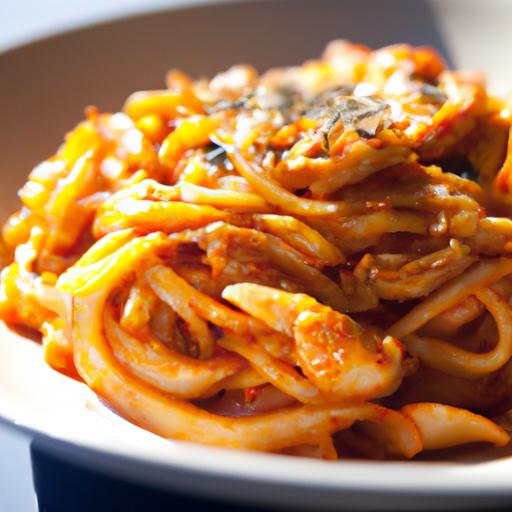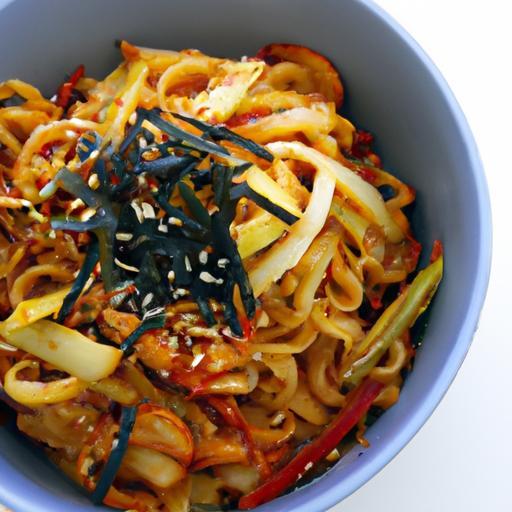
In the vibrant world of flavors, few ingredients have the power to transform a humble dish into an unforgettable culinary adventure quite like gochujang. This fiery, fermented Korean chili paste marries heat with a subtle sweetness, bringing depth and excitement to every bite. When paired with tender noodles, gochujang creates a symphony of tastes and textures that dance on the palate-inviting you to spice up your plate like never before. Whether you’re a seasoned foodie or a curious kitchen novice, discover how gochujang noodles can turn an ordinary meal into a magical experience bursting with bold, irresistible flavor.
Spice Up Your Plate: The Magic of gochujang Noodles offers a vibrant journey into Korean culinary tradition, skillfully balancing the fiery depth of gochujang with a subtle touch of natural sweetness.This dish is not only a celebration of bold flavors but also an accessible gateway for home cooks to explore the richness of fermented chili paste without being overwhelmed.My first encounter with gochujang noodles was at a bustling Korean market stall, where the intoxicating aroma and the silky texture captivated my senses-since then, I’ve been passionate about recreating that perfect harmony in my own kitchen.
Prep and Cook Time
- Planning: 15 minutes
- Cooking: 20 minutes
Yield
Serves 4 generous portions
Difficulty Level
Medium – Great for cooks ready to experiment with bold Asian flavors and multi-step sauces.
Essential Ingredients
- 12 oz fresh wheat noodles (or dried, preferably thick-cut)
- 3 tbsp gochujang (Korean red chili paste, ideally fermented for depth)
- 2 tbsp soy sauce (use light for a cleaner finish)
- 2 tbsp honey or pure maple syrup for natural sweetness
- 1 tbsp toasted sesame oil
- 1 tbsp rice vinegar
- 3 cloves garlic, finely minced
- 1-inch piece fresh ginger, grated
- 1/2 cup scallions, sliced thinly
- 1 cup shiitake mushrooms, sliced (optional but highly recommended)
- 1 tbsp toasted sesame seeds, for garnish
- 1/2 tsp freshly ground black pepper
- 2 tbsp vegetable oil (neutral flavor for stir-frying)
Step-by-Step Instructions
- Cook the noodles: Bring a large pot of salted water to a boil. Add noodles and cook according to package instructions until just tender (al dente). Drain and rinse under cold water to stop cooking,then toss with a teaspoon of sesame oil to prevent sticking.
- Prepare the sauce: In a medium bowl, whisk together gochujang, soy sauce, honey, rice vinegar, minced garlic, grated ginger, and black pepper until smooth. Set aside.
- Stir-fry mushrooms: Heat vegetable oil in a large skillet or wok over medium-high heat. Add shiitake mushrooms and sauté until golden and tender, about 5 minutes, stirring frequently.
- Add scallions: Toss scallions into the pan with mushrooms and stir-fry for another 1 minute to bring out their mild onion flavor.
- Combine noodles and sauce: Add the drained noodles to the skillet. Pour the prepared sauce over and toss quickly but gently to coat every strand evenly, warming the noodles through for 2-3 minutes.Adjust seasoning with a pinch of salt or more honey if desired.
- Finish with sesame oil: Drizzle the toasted sesame oil over the noodles, toss again, and remove from heat.
- Plate and garnish: Divide noodles onto warmed plates. Sprinkle liberally with toasted sesame seeds and additional scallions for freshness and color.
Tips for Success
- Adjust the heat: If gochujang’s intensity is too much, mellow it with a splash of coconut milk or add a teaspoon of brown sugar for extra sweetness.
- Noodle choice matters: Fresh wide wheat noodles hold the sauce better and deliver a chewy, satisfying bite. If unavailable, use thicker dried soba or udon, but avoid thin vermicelli.
- Make ahead: Prepare the sauce up to 3 days in advance; flavors deepen beautifully when rested. Cook noodles just before serving for best texture.
- Expand with veggies: try adding julienned carrots, julienned bell peppers, or blanched spinach for added color and nutrients.
- For vegan option: Ensure your honey substitute is maple syrup or agave,and use tamari rather of soy sauce for gluten-free.
creative Serving Suggestions to Elevate Your Gochujang Experience
To really elevate the experience and create a visually stunning dish, serve the noodles in a deep ceramic bowl that contrasts the intense red of the sauce. Garnish with fresh cucumber ribbons or crisp kimchi for a crunchy counterpoint. For an added layer of texture and flavor, top with crushed roasted peanuts or toasted nori flakes.A soft-boiled egg, halved and nestled on top, adds an indulgently creamy element that tempers the spice beautifully.
Pair your gochujang noodles with a chilled cucumber salad or a light sesame kale salad for refreshing palate cleansers.For drinks, zesty yuzu soda or a cold barley tea complements the dish’s deep umami and spice, enhancing the overall sensory experience.
| Nutrition | Per Serving |
|---|---|
| Calories | 410 kcal |
| Protein | 12 g |
| Carbohydrates | 68 g |
| Fat | 10 g |

For more bold Korean-inspired recipes, explore our collection of spicy dishes. To understand the fermentation magic behind gochujang, visit Serious Eats’ deep dive on gochujang.
Q&A
Q&A: Spice Up Your Plate: The Magic of gochujang Noodles
Q1: What exactly is gochujang, and why is it such a star ingredient in these noodles?
A1: Gochujang is a vibrant Korean red chili paste, bursting with a harmonious blend of spicy, sweet, and savory flavors. Made from fermented soybeans, red chili powder, glutinous rice, and a touch of sweetness, it adds depth and a fiery kick that transforms ordinary noodles into a symphony of taste. Its magic lies in its ability to balance heat with umami, creating complexity that dances on your palate.
Q2: How do gochujang noodles differ from other spicy noodle dishes around the world?
A2: While many spicy noodle dishes rely mainly on chili oil or flakes for heat, gochujang noodles boast a fermented paste base that imparts a uniquely rich and tangy flavor. This fermentation brings a mellow earthiness and subtle sweetness that sets it apart from typical spicy noodles. The result? A multidimensional experience where layers of flavor unfold with each bite, making it both comforting and exhilarating.
Q3: Can gochujang noodles be customized to suit different taste preferences?
A3: Absolutely! One of the joys of gochujang noodles is their versatility. Love it fiery? Add extra gochujang or fresh chilies. Prefer milder? Dial down the paste and balance it with a splash of sesame oil or a pinch of sugar. Add crunchy veggies like cucumber or carrots for freshness,or toss in protein such as tofu,chicken,or shrimp for a hearty meal. The noodles invite creativity while holding onto that magical core essence.
Q4: What makes gochujang noodles a good choice for home cooks?
A4: Aside from their crave-worthy taste, gochujang noodles are surprisingly straightforward to make. With a handful of pantry staples and the star ingredient-gochujang paste-you can whip up a flavorful dish in under 30 minutes. They’re a fantastic introduction to Korean flavors for beginners and a canvas for experimenting with fusion flavors for seasoned cooks. Plus, noodles always hit the spot!
Q5: Are there any cultural stories or traditions behind gochujang noodles?
A5: While gochujang itself has been a beloved staple in Korean kitchens for centuries, noodles dressed with gochujang capture the spirit of modern Korean cooking-melding tradition with fun, everyday dining. These noodles echo Korea’s love of bold flavors and communal eating, where sharing a spicy, satisfying dish becomes a joyful experience.Each bite is a nod to heritage and a celebration of culinary creativity.
Q6: How can one serve or garnish gochujang noodles to enhance the dining experience?
A6: presentation is part of the magic! Sprinkle toasted sesame seeds or crushed peanuts on top for a nutty crunch. Fresh scallions or chopped cilantro add a luminous, herbal contrast. A soft-boiled egg can bring luscious creaminess, while kimchi on the side offers tangy fermentation harmony. These touches elevate the dish visually and flavor-wise, turning a simple bowl into a feast for both eyes and palate.
Spice up your plate with gochujang noodles and unlock the enchanting power of this vibrant Korean paste-where heat meets sweetness, tradition meets innovation, and every bite tells a delicious story.
In Conclusion
As the bold, fiery notes of gochujang dance alongside tender noodles, it’s clear that this vibrant ingredient transforms an ordinary dish into an unforgettable culinary adventure. Whether drizzled in a spicy sauce, stir-fried to perfection, or tossed with fresh vegetables, gochujang noodles invite you to explore a world where heat meets harmony. So next time you crave a meal that’s anything but bland, remember-the magic of gochujang noodles is just a forkful away, ready to ignite your palate and elevate your dinner plate to dazzling new heights.