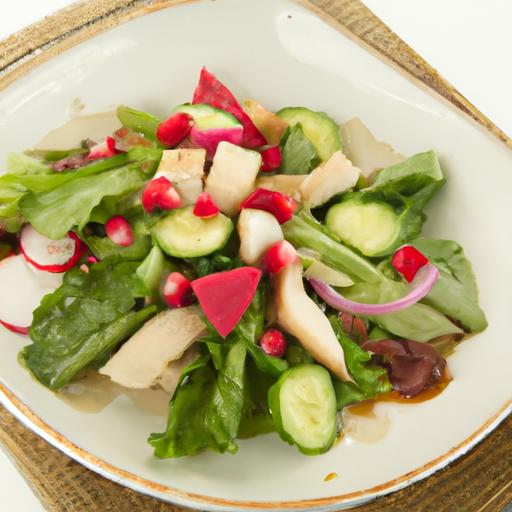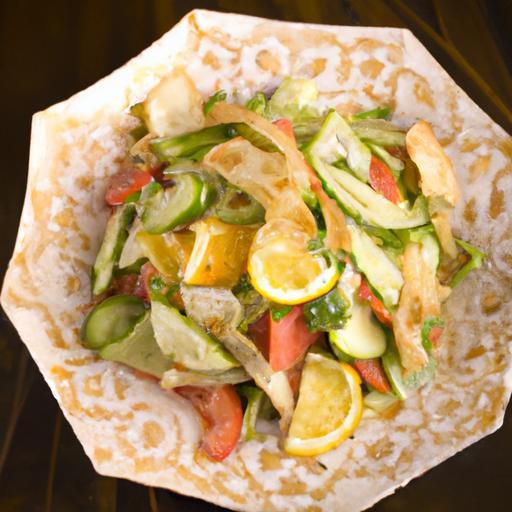
bright, vibrant, and bursting with crunchy textures, fattoush salad is a refreshing homage to the rich tapestry of Middle Eastern cuisine. Far from your average salad, this colorful medley marries fresh herbs, crisp vegetables, and tangy sumac-dusted pita chips to create a dish that is as lively on the palate as it is steeped in tradition. Whether served as a light lunch or a zesty side, Fattoush offers a delightful twist on classic flavors, inviting food lovers to explore the harmonious balance of freshness, spice, and rustic charm that defines this timeless favourite. Join us as we delve into the origins, ingredients, and irresistible appeal of Fattoush salad-a true celebration of Middle Eastern culinary artistry.
Fattoush salad, a vibrant mosaic of fresh vegetables and crispy bread, holds a special place in middle Eastern cuisine. Originating from the Levant region, this refreshing salad is more then just a side dish – it’s a celebration of communal eating and resourcefulness, traditionally crafted to utilize leftover pita bread. It’s bright, tangy flavors and crunchy textures perfectly balance warm, aromatic dishes, offering a palate-cleansing burst of zest and freshness. Whether enjoyed in a bustling Beirut market or your own kitchen, Fattoush salad invites you to experiance the heart of Middle Eastern hospitality and flavor.
Prep and Cook Time
- Planning: 15 minutes
- Cooking: 10 minutes (to toast the bread)
- Total Time: 25 minutes
Yield
Serves 4 as a refreshing side or light main course
Difficulty Level
Easy – ideal for those new to Middle Eastern cooking yet equally satisfying for seasoned food lovers
Key Ingredients That Define the Unique flavor Profile of Fattoush Salad
- 3 cups mixed greens (romaine, baby spinach, or arugula, roughly chopped)
- 2 medium cucumbers, diced (removing seeds if preferred)
- 3 medium ripe tomatoes, chopped
- 1 red bell pepper, finely diced
- 4 green onions, thinly sliced
- 1/2 cup fresh parsley, roughly chopped
- 1/4 cup fresh mint leaves, finely chopped
- 2 to 3 pita breads, toasted and torn into bite-sized pieces
- 1 tablespoon sumac-key to the salad’s signature tangy flavor
- juice of 2 lemons
- 3 tablespoons extra virgin olive oil
- 1 garlic clove, minced
- Salt and freshly ground black pepper to taste
- Optional: 1 small radish, thinly sliced for color and peppery crunch
Step by Step Guide to Crafting the Perfect Crunchy and Tangy Fattoush salad
- Prepare your pita bread: Preheat the oven to 375°F (190°C). Tear the pita into irregular bite-size pieces.Spread them evenly on a baking sheet and toast for 8-10 minutes or until golden and crisp. Alternatively, pan-toast on medium heat for an even crunch.Watch carefully to prevent burning.
- Wash and chop your fresh produce: Combine the mixed greens, cucumber, tomatoes, red bell pepper, green onions, parsley, mint, and radish (if using) in a large salad bowl. Fresh, crisp vegetables deliver the signature texture contrast essential to the salad.
- Whisk the dressing: In a small bowl, blend lemon juice, minced garlic, sumac, olive oil, salt, and pepper. Adjust seasoning to taste – the dressing should be lively and assertive, amplifying the salad’s refreshing qualities.
- toss the salad: Pour the dressing over the salad mixture and toss gently to coat all ingredients evenly. Add the toasted pita pieces last to maintain their crunch. Toss just before serving to keep the bread crisp and inviting.
- Final touch: Garnish with a sprinkle of extra sumac and a few whole mint leaves for a pop of color and aroma. Serve promptly to enjoy the textural harmony at its peak.
Expert Tips and Variations to Elevate Your Fattoush Experience
- For a smoky depth, lightly char the pita pieces on an open flame or grill before tearing.
- If sumac is unavailable, a splash of pomegranate molasses can enhance tartness naturally.
- Add roasted pine nuts or toasted almonds for extra crunch and a nutty flavor layer.
- Try incorporating diced avocado for creaminess, balancing the acidity of lemon and sumac.
- Make-ahead tip: Keep the dressing and toasted pita separate until serving to preserve the texture.
- For a vegan boost, toss in cooked chickpeas or replace olive oil with a walnut oil variant for unique earthiness.
Serving Suggestions
To fully embrace the hospitality traditions that surround fattoush salad, serve it alongside grilled meats such as lamb kebabs or chicken shawarma. Its bright flavors and crunchy textures complement rich, spiced proteins, creating a harmonious dining experience. Garnish plates with a lemon wedge for a squeeze of freshness at the table. For a lighter meal, present fattoush alongside creamy hummus with warm pita bread. Bright turquoise ceramics or rustic wooden bowls enhance the vivid greens, reds, and purples of the salad, making your table a feast both for the palate and the eyes.

Nutritional Information (per serving)
| Calories | Protein | Carbohydrates | Fat |
|---|---|---|---|
| 210 kcal | 5 g | 28 g | 8 g |
For a deeper dive into Middle eastern flavors, explore our hummus with Pomegranate Glaze recipe to pair beautifully with your Fattoush salad. To expand your knowledge of conventional ingredients like sumac, visit Britannica’s sumac overview.
Q&A
Q&A: Fattoush Salad – A Fresh Twist on Middle Eastern Classics
Q1: What exactly is Fattoush salad?
A1: Fattoush is a vibrant Middle Eastern salad that perfectly marries crisp, fresh vegetables with toasted or fried pieces of pita bread. Originating from Levantine cuisine, it’s a delightful medley that bursts with textures and flavors, delivering a refreshing, light yet satisfying dish.
Q2: How is Fattoush different from other Middle Eastern salads like tabbouleh or fattah?
A2: While tabbouleh is herb-heavy and primarily based on parsley and bulgur wheat, and fattah is a layered dish with meat, rice, and toasted bread soaked in broth, Fattoush uniquely combines crunchy pita croutons with a bright, tangy sumac dressing. It emphasizes a balance between crisp veggies and zesty seasonings, making it incredibly refreshing.
Q3: What ingredients give Fattoush its signature flavor?
A3: Several key ingredients define Fattoush’s signature taste. Sumac powder lends a tangy, citrus-like zing, while fresh herbs like mint and parsley add aromatic freshness. The mix of cucumbers, tomatoes, radishes, and green onions contribute crunch and sweetness, all balanced with a lemony, olive oil-based dressing. And, of course, the pita bread croutons introduce a toasty crunch that rounds it all off.
Q4: Can you explain the role of sumac in Fattoush?
A4: Absolutely! Sumac is a deep red spice with a tart,lemony flavor that’s foundational to Fattoush. It acts as the salad’s citrus punch, brightening every bite without the acidity of actual lemon juice. Sprinkling sumac over the salad (and sometimes on the pita bread before toasting) brings an unmistakable Middle Eastern flair that elevates the dish.Q5: Is Fattoush suitable for special diets?
A5: Yes, Fattoush is naturally vegan and gluten-conscious, depending on the pita bread used. For gluten-free options, you can substitute regular pita with gluten-free bread or simply increase the amount of fresh veggies and herbs. It’s also low in calories and rich in fiber, making it a healthy choice for many dietary plans.
Q6: How can one elevate the basic Fattoush salad?
A6: To elevate fattoush, consider adding pomegranate seeds for bursts of sweetness and color, or toss in some toasted nuts for extra crunch. Grilled halloumi or a dollop of labneh can introduce a creamy, savory contrast. Additionally, experimenting with infused olive oils, like garlic or chili oil, can deepen the flavor profile.
Q7: What occasions or meals is fattoush best suited for?
A7: Fattoush shines as a versatile dish! It’s perfect as a vibrant side during summertime barbecues or as a light lunch on its own. It also works beautifully as part of a meze spread, complementing grilled meats, hummus, and other Middle Eastern favorites. Its freshness makes it especially appealing in warm weather, but its bright flavors can invigorate any meal.
Q8: Any tips for making the perfect Fattoush at home?
A8: Key tips include toasting or lightly frying pita bread until golden and crunchy but not burnt, chopping vegetables uniformly for consistent texture, and preparing the dressing fresh to keep flavors lively. Don’t overdress the salad; toss lightly just before serving to maintain the pita’s crispness. Lastly,don’t be shy with the sumac-it truly is the star spice!
Q9: Can Fattoush be made ahead of time?
A9: While the vegetables and dressing can be prepped in advance,it’s best to hold off on adding the pita bread croutons until right before serving. This prevents them from becoming soggy, ensuring your Fattoush stays delectably crisp and fresh.
Q10: Why is Fattoush considered a “fresh twist” on Middle Eastern classics?
A10: Fattoush embodies tradition yet celebrates freshness and simplicity, moving beyond heavier, richly spiced dishes. Its emphasis on bright, crisp vegetables, tangy sumac, and crunchy pita creates a refreshing contrast within Middle Eastern cuisine-a delicious reminder that classic flavors can be both timeless and innovatively vibrant.
Future Outlook
In the vibrant tapestry of Middle Eastern cuisine, Fattoush salad stands out as a refreshing mosaic of flavors and textures-crisp, tangy, and deeply rooted in tradition yet delightfully adaptable to modern palates.Whether enjoyed as a light lunch, a colorful side, or a centerpiece of a mezze spread, this salad invites you to savor the simple pleasures of fresh vegetables, zesty sumac, and crunchy toasted bread. Embracing fattoush is more than just tasting a dish; it’s experiencing a cultural celebration of freshness and ingenuity that continues to inspire kitchens around the world. So next time you’re craving something both nourishing and vibrant,let Fattoush be your flavorful passport to the heart of Middle Eastern classics with a fresh twist.