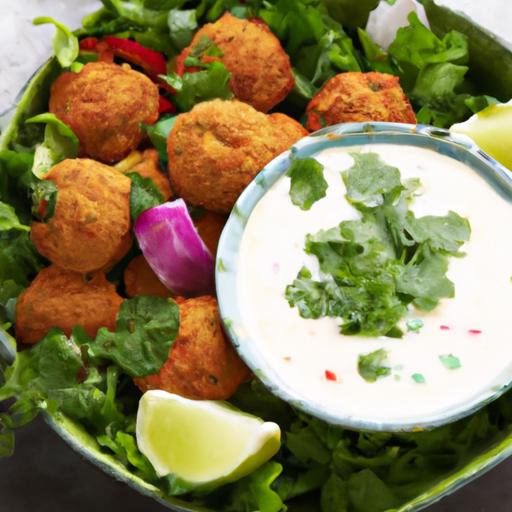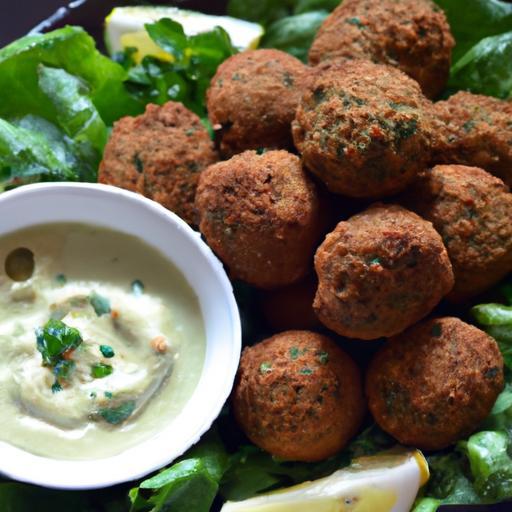
In the vibrant tapestry of Middle Eastern cuisine, few pairings evoke as much passion and palate-pleasure as falafel and tahini sauce. These two culinary icons, each rich with history and bursting with flavor, come together in a harmonious dance that transcends borders and generations. Falafel, those crispy, golden spheres of spiced chickpeas or fava beans, find their perfect companion in the creamy, nutty embrace of tahini sauce-a luscious blend of sesame seeds, lemon, and garlic. Join us as we unveil the story behind this irresistible duo, exploring their origins, cultural importance, and the secrets that make falafel and tahini sauce not just a meal, but a timeless party of Middle Eastern heritage on every plate.
Falafel & Tahini Sauce offers a culinary journey deeply rooted in the vibrant history of the Middle East, where simple ingredients transform into an iconic dish beloved worldwide. Originating as humble street food, falafel embodies the ingenuity and flavors of Levantine culture, while tahini sauce provides a luscious, nutty complement that brings each bite to life. My first taste of falafel & tahini sauce in a bustling market stall in Jerusalem revealed the magic of perfectly balanced spices and creamy tahini – an experience that inspired me to replicate this harmony in my kitchen, unlocking the secrets behind its authentic texture and flavor.
Prep and Cook Time
- Preparation: 20 minutes (plus 8-12 hours soaking time for chickpeas)
- Cooking Time: 10 minutes
Yield
Approximately 24 small falafel balls (serves 4)
Difficulty Level
Medium – requires some soaking and careful frying
Ingredients
- Falafel:
- 1 cup dried chickpeas,soaked overnight
- 1 small onion,roughly chopped
- 4 garlic cloves,minced
- 1 cup fresh parsley leaves,packed
- 1 cup fresh cilantro leaves,packed
- 1 tsp ground cumin
- 1 tsp ground coriander
- 1/2 tsp baking powder
- 1 tsp salt
- 1/2 tsp black pepper
- 1/4 tsp cayenne pepper (optional,for heat)
- 3 tbsp all-purpose flour
- Vegetable oil,for frying
- Tahini Sauce:
- 1/2 cup tahini paste
- 1/4 cup fresh lemon juice (about 1 large lemon)
- 1/4 cup cold water (adjust for consistency)
- 2 garlic cloves,finely minced
- 1/2 tsp salt
- 1 tbsp extra-virgin olive oil,plus more for drizzling
- Chopped fresh parsley,for garnish
Instructions
- Soak the Chickpeas: Rinse 1 cup dried chickpeas and soak in plenty of cold water for 8-12 hours. They will double in size, so allow ample space in the bowl.
- Prepare the Falafel Mixture: Drain chickpeas and pat dry. Combine them in a food processor with onion, garlic, parsley, cilantro, cumin, coriander, baking powder, salt, pepper, and cayenne. Pulse until coarse but well blended (avoid pureeing to paste).
- Add Flour: Transfer mixture to a bowl and fold in the flour. This binds your falafel for crispness and shape.
- Shape Falafel: Using your hands or a falafel scoop, form small balls or patties about 1.5 inches wide. Place on a tray and chill for 30 minutes to firm up – this helps them hold shape when frying.
- Heat Oil: In a deep skillet or fryer,heat vegetable oil to 350°F (175°C). It should cover falafel balls halfway.
- Fry Falafel: Fry falafel in batches, avoiding overcrowding. Cook about 3-4 minutes per side or until a deep golden-brown crust forms, turning gently with a slotted spoon. drain on paper towels.
- Make Tahini Sauce: Whisk tahini paste with lemon juice, minced garlic, salt, and olive oil. The mixture will thicken at first; gradually add cold water, whisking until the sauce attains a smooth, creamy, pourable consistency.
- Serve: Plate warm falafel drizzled with tahini sauce. Garnish with chopped parsley and a light drizzle of olive oil.
Tips for Success
- Use Dried Chickpeas: Canned chickpeas hold too much moisture, resulting in falafel that falls apart. Soaked dried chickpeas give ideal texture.
- Chill Before Frying: Making the falafel firm in the fridge prevents breaking during frying and promotes a crisp crust.
- Maintain Oil Temperature: Avoid low heat,which makes falafel greasy,or too high,which burns the exterior yet leaves the inside raw.
- customize Flavor: Experiment with fresh herbs like dill or mint for a regional twist, or add a pinch of smoked paprika for warmth.
- Tahini Sauce Consistency: Adjust water gradually; too thin loses richness, too thick becomes pasty. Fresh lemon juice brightens the sauce.
- Make-Ahead: Falafel balls can be frozen uncooked for up to one month. Thaw and fry directly from frozen.
Creative Serving Ideas
Transform your falafel & tahini sauce experience by serving falafel nestled in warm
pita pockets with crisp cucumber, ripe tomato slices, and pickled turnips. Add a sprinkle of sumac or za’atar and a handful of fresh mint leaves for aromatic complexity. For a wholesome modern plate, serve falafel atop a vibrant tabbouleh salad with tahini sauce drizzled artistically, garnished with pomegranate seeds for bursts of color and tang. Another irresistible option is falafel grain bowls layered with roasted vegetables, avocado, and a drizzle of tahini-lemon dressing, ideal for a nourishing lunch that feels both exotic and familiar.
| Nutrient | Per Serving |
|---|---|
| Calories | 320 kcal |
| Protein | 10 g |
| Carbohydrates | 28 g |
| Fat | 18 g |

For a deeper dive into traditional Middle Eastern flavors and recipes, explore our middle Eastern cuisine basics guide. To enrich your knowledge on tahini, visit Bon Appétit’s detailed tahini article, a reliable and informative resource.
Q&A
Q&A: Falafel & Tahini Sauce – A Perfect Middle Eastern Duo Unveiled
Q1: What exactly is falafel, and where did it originate?
A: Falafel is a deep-fried ball or patty made primarily from ground chickpeas, fava beans, or a combination of both, mixed with aromatic herbs and spices. This beloved Middle Eastern street food traces its roots back to ancient Egypt, where it likely began as a humble dish before becoming a regional staple loved from Cairo to Beirut.Q2: Why is tahini sauce considered the ideal companion for falafel?
A: Tahini sauce, crafted from creamy toasted sesame seed paste, lemon juice, garlic, and water, brings a luscious, nutty richness that perfectly balances falafel’s crispy exterior and herby, savory interior. The silky texture and tangy brightness of tahini cut through the fried goodness,creating a harmonious flavor dance with every bite.
Q3: Are there variations in falafel recipes across the Middle East?
A: Absolutely! in Egypt, falafel frequently enough features fava beans exclusively, boasting a smooth, dense texture, while Levantine falafel uses primarily chickpeas, resulting in a lighter, fluffier bite.Herbs, spices, and cooking methods vary by region, but the essence remains the same-a crunchy, aromatic marvel.
Q4: Can tahini sauce be customized to suit different tastes?
A: Without a doubt. Tahini sauce is wonderfully versatile. You can add extra garlic for a pungent punch, a drizzle of pomegranate molasses for a subtle sweet-tart note, or fresh herbs like parsley and cilantro to brighten the flavor profile. Some prefer it more runny or thickened like a dip-it’s your canvas to create magic!
Q5: Is falafel & tahini just a street food combo, or does it have a place in home cooking?
A: While falafel and tahini reign supreme as street food icons, their charm extends well into home kitchens worldwide. Many enjoy making falafel from scratch, relishing the hands-on process of soaking, blending, and frying. Tahini sauce’s simplicity makes it a pantry hero, ready to elevate not only falafel but salads, roasted veggies, and more.
Q6: What makes falafel & tahini a symbol of Middle Eastern culture?
A: Beyond taste, falafel and tahini encapsulate centuries of culinary tradition and communal spirit. They are more than food-they represent hospitality, resourcefulness, and the melding of flavors that mirror the diverse, vibrant Middle Eastern mosaic. Sharing a plate of falafel with tahini sauce is like sharing a story steeped in history and heart.
Q7: How can someone outside the Middle East best enjoy this duo?
A: Start by seeking out an authentic falafel vendor or making your own at home using soaked chickpeas and fresh herbs. Whip up a simple tahini sauce with good-quality tahini paste, lemon, garlic, and a pinch of salt. Serve wrapped in warm pita with fresh veggies and pickles to transport your taste buds to the bustling streets of Beirut or Tel Aviv, wherever you are.
This Q&A uncovers the flavorful secrets behind falafel and tahini sauce, celebrating their unbreakable bond and inviting readers to savor a quintessential Middle Eastern culinary experience.
Future Outlook
In the vibrant tapestry of Middle Eastern cuisine, falafel and tahini sauce emerge as a timeless duet-each bite a harmonious blend of crispy, herbaceous spheres paired with silky, nutty richness. Together, they not only satisfy hunger but also tell a story of tradition, culture, and culinary artistry. Whether enjoyed as a street food snack or a centerpiece on the dining table, this dynamic duo continues to captivate palates around the world, inviting us all to savor a appetizing slice of Middle Eastern heritage. So next time you relish falafel with a drizzle of tahini, remember-your partaking in a perfect partnership that transcends taste to celebrate a shared history.