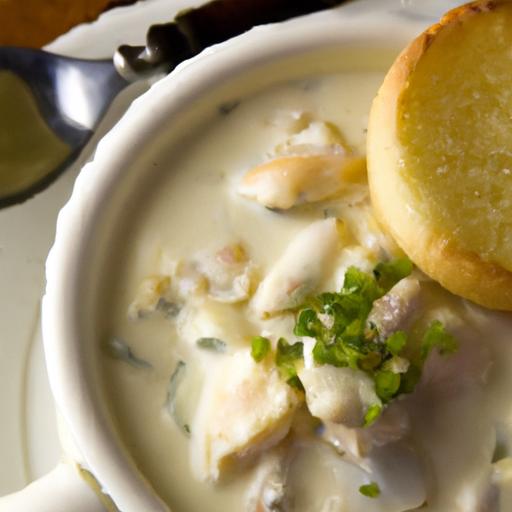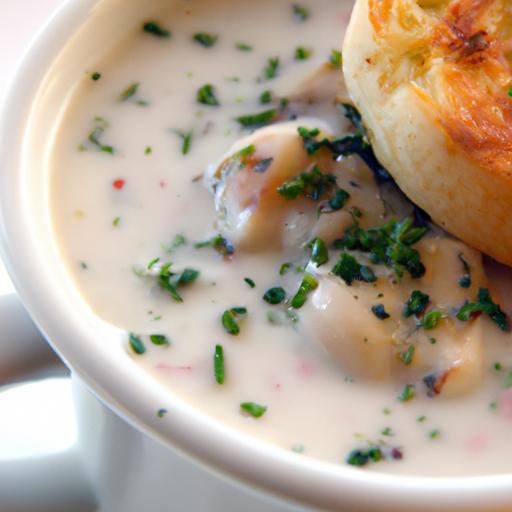
There’s something undeniably comforting about a steaming bowl of creamy clam chowder-a velvety blend of tender clams, savory broth, and rich, buttery goodness that wraps you in warmth with every spoonful. Whether you’re a seasoned seafood lover or a curious kitchen explorer, mastering the art of this classic new england delight is a culinary adventure worth savoring. In this ultimate recipe guide,we’ll unravel the secrets behind that perfect,luscious texture and the harmonious flavors that make clam chowder a timeless favorite. Get ready to transform simple ingredients into a magical dish that’s as satisfying to make as it is indeed to eat.
Creamy Clam Chowder Magic begins with choosing the freshest clams and grounding your recipe in quality ingredients to achieve that luscious texture and bold flavor that defines this classic soup. every spoonful should sing of ocean breeze and hearty comfort,coaxed from a perfectly balanced soup base. Whether you’re a seasoned cook or a weekend enthusiast, these techniques and creative flourishes will inspire you to elevate your clam chowder beyond the ordinary.
Prep and cook Time
- Planning: 20 minutes
- Cooking: 40 minutes
- Total Time: 1 hour
Yield
Serves 6 generously
Difficulty Level
Medium – approachable for cooks with basic skills looking to impress
Ingredients
- 3 lbs fresh littleneck clams, scrubbed and rinsed thoroughly
- 6 slices thick-cut bacon, diced
- 1 large onion, finely chopped
- 2 celery stalks, diced
- 3 medium Yukon Gold potatoes, peeled and cubed (about 3 cups)
- 4 cups clam juice (reserved from clam steaming and supplemented if needed)
- 2 cups whole milk
- 1 cup heavy cream
- 3 tablespoons unsalted butter
- 3 tablespoons all-purpose flour, sifted
- 2 teaspoons fresh thyme, chopped
- 1 bay leaf
- Salt and freshly cracked black pepper, to taste
- Fresh parsley, chopped, for garnish
- Optional: 1 teaspoon smoked paprika or a dash of white wine
Instructions
- Prep your clams: Rinse the littleneck clams under cold water, scrubbing any grit or barnacles. Discard any clams with broken shells or that don’t close when tapped.
- Steam the clams: In a large covered pot, add 2 cups of water and bring to a boil. Add clams,cover,and steam until shells open,about 8-10 minutes. Remove clams,reserving the steaming liquid. Discard any unopened clams. Remove clam meat from shells and chop roughly. Strain the broth through a fine sieve and reserve.
- Cook bacon and aromatics: In a heavy-bottomed pot, sauté diced bacon over medium heat until crispy. Remove bacon with a slotted spoon, leaving the rendered fat.
- Sauté vegetables: Add butter to the bacon fat. Sauté onion and celery over medium heat until translucent and fragrant, about 5 minutes.
- Make the roux: Sprinkle flour over the vegetables,stirring constantly to form a smooth paste. Cook the mixture for 2-3 minutes until lightly golden, stirring to prevent burning.
- Add liquids and potatoes: Gradually whisk in clam juice (both reserved steaming liquid and supplement to reach 4 cups if needed) and milk. Stir to combine thoroughly.Add cubed potatoes, thyme, and bay leaf. Bring to a gentle simmer.
- Simmer for tenderness: Cook until potatoes are tender but firm, about 15-20 minutes. Stir occasionally, scraping the bottom to avoid sticking.
- Add cream and clams: Stir in heavy cream and chopped clams. Warm gently without boiling to preserve clam texture and richness. Season with salt, pepper, and optional smoked paprika or white wine for depth.
- Finish and serve: Remove bay leaf. Garnish with crisp bacon pieces and fresh parsley. Serve steaming hot with crusty bread or buttery oyster crackers.
Choosing Fresh Clams and Essential Ingredients for Perfect Creaminess
When it comes to clam chowder, freshness is everything. Opt for littleneck clams-their sweet,tender meat is ideal for chowder’s velvety texture. Always ensure the clams are tightly closed before cooking; open or cracked shells mean the clam isn’t fresh. The clam juice you reserve from steaming becomes the soul of your creamy chowder. pair it with smooth, creamy Yukon Gold potatoes, which hold their shape and add subtle sweetness, and thick-cut bacon for that smoky, savory backbone. Whole milk and heavy cream combine for that signature indulgence,while a well-crafted roux balances thickness without heaviness.
Mastering the Art of Soup Base for Rich and Velvety Texture
The secret behind truly great clam chowder lies in the soup base. Use rendered bacon fat and butter to build layered flavor, then whisk flour in to form a roux that thickens your chowder smoothly. Slowly incorporating clam juice and milk prevents lumps and ensures a luscious consistency. Let your chowder simmer gently, giving potatoes time to soften and the broth time to deepen. Finish by gently adding cream and clams last, keeping the soup rich and delicate without curdling or overcooking the tender shellfish.
Creative Twists to Elevate Traditional Clam Chowder Flavors
Once you master the classic base, ignite your culinary creativity. Consider adding a subtle hint of smoked paprika or a splash of dry white wine to elevate your chowder. Swap traditional Yukon Gold potatoes for baby purple potatoes or add a touch of fresh fennel for anise-like brightness. For an unexpected twist, stir in crisp pancetta instead of bacon or garnish with pickled jalapeños to add a zesty punch. Even a handful of fresh corn kernels can lend sweetness and texture, turning the chowder into a dynamic festivity of flavors.
Serving Suggestions and Tips for Storing Your Creamy Creation
Serve your clam chowder in warm, deep bowls, garnished with crisp bacon and radiant fresh parsley that adds a pop of color and freshness. Accompany it with toasted sourdough bread or traditional oyster crackers for crunch contrast. A glass of chilled crisp white wine like a sauvignon Blanc pairs beautifully. If storing leftovers, cool the chowder quickly and refrigerate in an airtight container for up to 3 days. Reheat gently over low heat, stirring frequently and adding a splash of milk or cream to restore creaminess. Avoid freezing to preserve the velvety texture and prevent separation.
| Nutrient | Per Serving |
|---|---|
| Calories | 320 kcal |
| Protein | 18 g |
| Carbohydrates | 22 g |
| fat | 17 g |
Discover how to make homemade seafood stock for even richer chowder bases. Learn more about clam sustainability and harvesting practices from the NOAA Fisheries.

Q&A
Q&A: Creamy Clam Chowder Magic – Your Ultimate Recipe Guide
Q1: What makes clam chowder “creamy” and how does it differ from other chowders?
A1: Creamy clam chowder gets its luscious texture from a rich blend of milk or cream, creating a velvety base that wraps around tender clams, potatoes, and aromatics. Unlike clear broths or tomato-based varieties, creamy chowders boast a comforting thickness and a silky mouthfeel that make each spoonful feel indulgent and soothing.Q2: What are the essential ingredients to achieve that classic creamy clam chowder flavor?
A2: The heart of creamy clam chowder beats with fresh clams, diced potatoes, onions, celery, and crispy bacon for a smoky undertone. heavy cream or half-and-half gives the chowder its signature richness, while a splash of clam juice intensifies the sea-kissed essence. Don’t forget a dash of thyme and black pepper to elevate the savory symphony.
Q3: Can I use canned clams and clam juice, or is fresh always better?
A3: While fresh clams are a treasure for flavor and texture, canned clams and bottled clam juice are pantry heroes that bring convenience without sacrificing too much magic. For the ultimate chowder, fresh is ideal, but a good-quality can can yield a deliciously satisfying result, especially when you infuse the broth with fresh aromatics.
Q4: How do I prevent the cream from curdling in my chowder?
A4: The secret is patience and gentle heat. Add the cream slowly and stir continuously once your chowder is off the boil or on very low heat. Avoid rapid temperature changes and boiling after adding dairy to maintain that smooth, velvety consistency that defines creamy clam chowder perfection.
Q5: Any tips for making chowder extra special or unique?
A5: Absolutely! For a subtle twist, try adding a hint of smoky smoked paprika or a splash of dry white wine. Garnish with fresh chives or crispy oyster crackers for texture contrasts. And if you’re feeling bold, a touch of sherry vinegar or a swirl of garlic-infused oil can create layers of flavor that dance on your palate.
Q6: What’s the best way to serve and store clam chowder?
A6: Serve your creamy clam chowder piping hot with crusty bread or buttery oyster crackers.It’s a perfect cozy meal any time of year! When storing, let the chowder cool completely before refrigerating in an airtight container. Reheat gently on the stovetop, stirring occasionally, to keep the cream from breaking and preserve that silky charm.
Q7: Can I make clam chowder ahead of time?
A7: Yes! Clam chowder frequently enough tastes even better the next day as the flavors meld together beautifully. Just remember to add any fresh herbs or crunchy toppings right before serving to keep things vibrant and fresh. Prepare to impress your family or guests with a bowl full of warming magic that’s ready whenever you are!
To Wrap It Up
As the final spoonful of your creamy clam chowder melts away, you’re left not just with a satisfied palate, but with the warm comfort that only a truly perfected recipe can provide. This guide has unfolded the secrets behind that velvety texture, the delicate balance of briny clams and hearty potatoes, and the subtle symphony of spices that transform simple ingredients into culinary magic. Whether you’re a seasoned chef or a curious kitchen adventurer, your ultimate clam chowder journey is now well underway.So gather your ingredients, embrace the process, and let every pot you simmer become a celebration of flavor – becuase with this recipe in your repertoire, creamy clam chowder magic is always within reach.