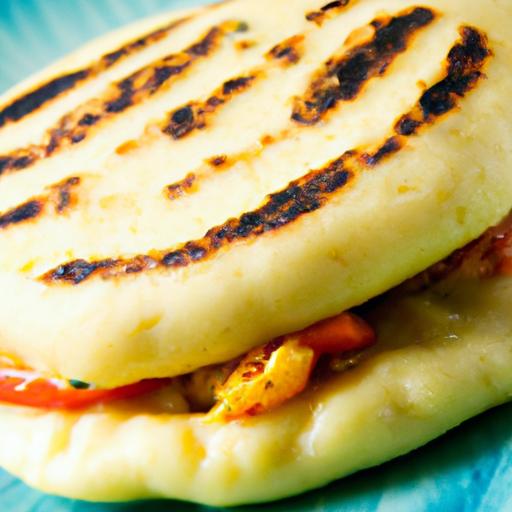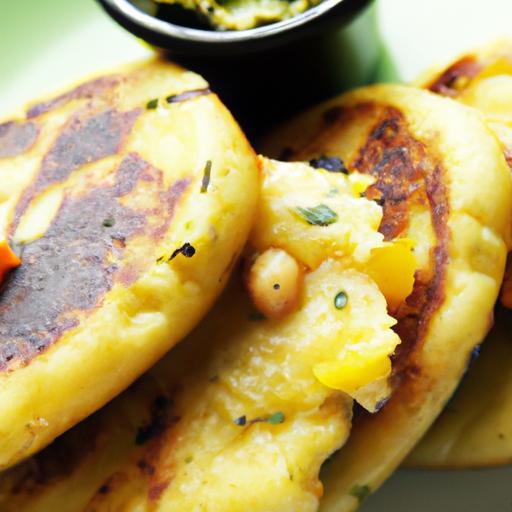
In the heart of Colombia’s vibrant culinary landscape lies a humble yet extraordinary treasure: the arepa.More than just a simple corn cake, the Colombian arepa is a mouthwatering emblem of tradition, culture, and history baked into every golden, crispy bite.From bustling street corners to cherished family kitchens, these versatile delights tell stories of indigenous roots, regional pride, and generations of hands shaping dough with care. Join us as we embark on a flavorful journey to unveil the rich heritage and timeless charm behind Colombian arepas-where every bite invites you to savor a taste of authentic tradition.
Colombian arepas hold an esteemed place in Latin American gastronomy, representing a culinary tradition that has nourished generations and brought together diverse regions through a shared love of corn and craftsmanship.These golden, crispy yet tender corn cakes are more than just a staple; they are a vibrant symbol of cultural identity and regional pride, each bite telling a story of Colombia’s rich history and its people’s ingenuity.
origins and Cultural Importance of Colombian Arepas
Rooted deep in pre-Columbian times,colombian arepas have sustained indigenous communities long before Spanish colonization. Made originally from ground maize,they evolved into various regional interpretations reflecting Colombia’s ecological diversity-from the coastal Caribbean beaches to the lush Andes mountains. Each region honors the arepa in its own unique way, whether as a breakfast staple, midday snack, or an accompaniment to hearty meals.
In many households, preparing arepas is a ritual-often passed down from mother to child with secret techniques, preferred textures, and treasured family recipes. The arepa is both humble and exalted, versatile yet steeped in tradition, embodying a flavorful connection to Colombia’s roots and the unity forged through food.
Exploring Regional Variations and Unique Ingredients
While Colombian arepas universally rely on cornmeal as their base, regional variations introduce specific ingredients and textures that distinguish their flavor profiles.In Antioquia, arepas are often thin, grilled, and topped with cheese, whereas the Llanos region favors thicker, softer cakes sometimes enriched with yuca flour or queso fresco. Along the Caribbean coast, they are commonly stuffed with shredded chicken, seafood, or simply enjoyed with a drizzle of creamy hogao sauce.
Furthermore,the choice of corn also varies: some regions prefer white corn,others yellow,each imparting subtle sweetness or earthier notes. Adding finely grated cheeses or herbs can elevate the classic recipe, making it an exciting culinary canvas that celebrates Colombia’s biodiversity and cultural mosaic.
Prep and Cook Time
- Preparation: 10 minutes
- Cooking: 15 minutes
- Total Time: 25 minutes
Yield
Makes 6 medium-sized arepas (serves 3-4)
Difficulty Level
Easy – Perfect for both beginners and seasoned cooks looking to embrace authentic Colombian flavors.
Ingredients
- 2 cups pre-cooked white cornmeal (masarepa, such as P.A.N. or goya)
- 2 ½ cups warm water
- 1 tsp fine salt
- 2 tbsp vegetable oil (plus extra for cooking)
- ½ cup shredded mozzarella or queso fresco (optional for stuffing or mixing)
- 1 tbsp butter (for finishing)
- Optional: 1 tbsp finely chopped fresh cilantro or scallions for added freshness
Instructions
- Combine the dry ingredients: In a large bowl,mix the pre-cooked cornmeal with salt evenly.
- Add warm water gradually: Slowly pour warm water into the cornmeal while stirring with a spoon or your hands, until a thick, malleable dough forms. Let it rest for 5 minutes to hydrate fully.
- Knead the dough gently: On a clean surface,knead the dough with your hands just enough to form a smooth ball. Avoid overworking,as you want tender arepas.
- Shape the arepas: Divide the dough into 6 equal portions. Roll each into a ball and flatten gently with your palms to form discs about ½ inch thick and 3-4 inches in diameter. If using cheese, stuff by flattening balls, placing some cheese in the center, and enclosing it with dough.
- Heat the skillet: Warm 1 tbsp of vegetable oil over medium heat in a non-stick or cast-iron skillet until hot but not smoking.
- Cook the arepas: Place the disks in the pan,cooking for 6-7 minutes on each side. Cook slowly to achieve a crisp golden crust while keeping the inside soft and slightly creamy. Lower the heat if they brown too fast.
- Finish with butter: Just before removing, melt butter on top of each arepa, letting it seep in for added richness and shine.
- Rest and serve: Allow them to cool slightly on a wire rack for the perfect texture before serving.
tips for Success
- Hydration is key: The dough should feel soft but not sticky. Adjust water or cornmeal accordingly-too dry will cause cracks, too wet will make shaping challenging.
- Cooking temperature: Medium-low heat prevents burning and ensures the arepas cook through evenly.
- Cheese variations: Use any firm melting cheese that you prefer, such as mozzarella, quesillo, or even a mild cheddar to suit your palate.
- Make ahead: Prepare arepas dough in advance and store it wrapped tightly in the fridge for up to 24 hours for convenience.
- Gluten-free delight: Since pre-cooked cornmeal is gluten-free, these arepas are also suitable for gluten-sensitive eaters.
pairing Suggestions and Serving Tips for the Perfect Arepa Experience
colombian arepas are wonderfully versatile and complement a variety of dishes.For a traditional touch, serve them alongside hot chocolate or a cup of Colombian coffee in the morning. At lunch or dinner,pair arepas with grilled vegetables,avocado slices,or a fresh tomato and onion salad.
Beyond simple accompaniments, try topping the arepas with mellow melted cheese and fresh herbs or filling them with sautéed mushrooms and spinach for a vegetarian delight. Popular traditional sauces like hogao, a Colombian tomato and onion salsa, add a radiant acidic counterpoint to the arepa’s creamy corn flavor.
For an elegant presentation, garnish plates with lime wedges, sprinkle chopped cilantro, and serve alongside a colorful array of Colombian salsas or ají picante (spicy chili sauce) to awaken the flavors further.
| Nutritional Info (per arepa) | Amount |
|---|---|
| Calories | 180 kcal |
| Protein | 4 g |
| Carbohydrates | 35 g |
| Fat | 3.5 g |

For more Latin American culinary delights, explore our guide on Latin American Street Food Classics.
To deepen your understanding of traditional corn milling techniques, visit Smithsonian Magazine’s article on Maize and Indigenous Culture.
Q&A
Q&A: Colombian Arepas – Unveiling Tradition in Every Bite
Q: What exactly is an arepa?
A: At its heart, an arepa is a humble corncake-the golden, round, and slightly crispy canvas of Colombian cuisine. Made primarily from ground maize dough or pre-cooked corn flour, it’s a versatile staple that has nourished generations, offering a taste that’s both comforting and deeply rooted in tradition.
Q: How do Colombian arepas differ from those found in other countries?
A: While arepas are beloved across Latin America, Colombia’s version boasts distinctive regional twists. Unlike the Venezuelan variety, which often flaunts more elaborate fillings, Colombian arepas shine in their simplicity-often served plain, with cheese, or slathered in butter. The texture tends to be thicker and fluffier, embodying a rustic charm that reflects the country’s diverse landscapes and culinary heritage.
Q: What’s the cultural significance of arepas in Colombia?
A: Arepas are more than just food-they’re a symbol of Colombian identity and togetherness. Passed down through families,each recipe carries stories,memories,and a shared sense of community. Whether enjoyed for breakfast beside a cup of hot chocolate or as a midday snack, arepas bring people together, weaving tradition into daily life.
Q: Are there different varieties of arepas within Colombia?
A: Absolutely! From the cheesy Arepa Antioqueña, beloved in Medellín, to the thicker, cornier Arepa Boyacense from the mountainous Boyacá region, each variety tells a tale of local ingredients and customs. Coastal regions tend to add coconut milk for a sweet twist, while others incorporate ingredients like pork cracklings or fresh cheese, showcasing Colombia’s culinary diversity.
Q: How are traditional Colombian arepas prepared?
A: The magic begins with pre-cooked corn flour mixed with water and a pinch of salt, forming a pliable dough. This dough is shaped into small discs, than grilled, baked, or fried to achieve a delightful balance of crispy exterior and tender interior. the simplicity of ingredients belies the soulfulness delivered in every bite.
Q: Can one customize arepas with modern twists without losing their authenticity?
A: Certainly! While honoring tradition is essential, Colombian cooks are masters of innovation. Today, you might find arepas stuffed with avocado, drizzled with spicy sauces, or paired with fusion fillings like pulled pork or sautéed vegetables. These creative adaptations keep the arepa alive and evolving, inviting new generations to savor its legacy in fresh ways.
Q: Where should a traveler go to experience the most authentic Colombian arepas?
A: Head to local markets and street stalls across cities like Bogotá, Medellín, and Cali, where vendors expertly craft fresh arepas right before your eyes. For a deeper dive, many small towns host festivals celebrating corn and traditional foods-perfect opportunities to savor arepas amid the sounds, smells, and rhythms of Colombian life.
Q: why should food lovers add Colombian arepas to their culinary bucket list?
A: Because each bite is a delicious journey through Colombia’s history, culture, and heart. Arepas are simple yet profound, offering comfort and connection in equal measure. They invite you to taste a legacy that’s as rich and warm as the country itself-a true festivity of tradition in every mouthful.
The Way Forward
As the final crumbs of a warm, freshly made arepa melt away, what remains is more than just a satisfied appetite-it’s a connection to Colombia’s rich cultural tapestry. Each bite carries stories of indigenous heritage, family gatherings, and regional pride, woven together through time and tradition. Whether enjoyed plain or filled with savory delights, the arepa stands as a humble yet profound symbol of Colombian identity. So next time you savor this golden, comforting staple, remember: you’re not just tasting food, you’re experiencing a delicious piece of history crafted with love in every fold.