In the heart of Italian cuisine lies a sauce that transcends time and trends-Bolognese. More than just a pasta topping, this rich, hearty ragù embodies the soul of Emilia-Romagna’s culinary heritage, simmered slowly to perfection wiht layers of flavor that dance on the palate. Mastering the classic bolognese is an invitation to dive deep into tradition, technique, and patience, transforming simple ingredients into a symphony of taste. Join us as we uncover the timeless secrets behind this beloved sauce, guiding you step-by-step to create an authentic masterpiece that honors its origins while elevating your kitchen craft.
Mastering the Classic Bolognese begins with valuing the cornerstone of its unforgettable richness: the authenticity of its ingredients and the mastery of time-honored cooking techniques. This dish, hailing from Bologna, Italy, embodies a harmony of flavors that unfold layer by intricate layer, inviting you to embark on a culinary journey deeply rooted in tradition yet open to creative nuances.
Prep and Cook Time
- Readiness Time: 20 minutes
- Cooking Time: 3 to 4 hours (slow simmer)
Yield
- Servings: 6 generous portions
Difficulty Level
- Intermediate – patience and attention to technique needed, but rewarding and well worth the effort.
Ingredients
- 3 tbsp extra virgin olive oil
- 2 tbsp unsalted butter
- 1 medium onion, finely diced
- 1 carrot, finely minced
- 2 celery stalks, finely minced
- 150g pancetta or quality smoked bacon, finely chopped
- 400g ground beef (preferably chuck)
- 200g ground pork
- 200ml full-fat whole milk
- 250ml dry white wine
- 400g crushed San Marzano tomatoes (preferably imported)
- 2 tbsp tomato paste
- 1 bay leaf
- Salt and freshly cracked black pepper, to taste
- Freshly grated Parmigiano-Reggiano, for garnish
- 400g tagliatelle or pappardelle pasta
Instructions
- Heat the olive oil and butter in a large heavy-bottomed pot over medium heat until shimmering but not smoking.
- Add the finely diced onion,carrot,and celery to the pot. Sauté gently for about 8-10 minutes until softened and golden, stirring occasionally to coax out their natural sweetness.
- Incorporate the pancetta, cooking until it releases its fat and becomes slightly crispy, about 5 minutes. This adds a smoky depth that is the backbone of the classic flavor.
- Add the ground beef and pork. Break the meat apart with a wooden spoon, cooking until browned but not fully cooked through, approximately 7 minutes. Avoid crowding the pan to ensure proper browning and flavor advancement.
- Pour in the milk and gently simmer, stirring frequently, until it has almost entirely evaporated. This tenderizes the meat, softening any harsh edges and creating a luxurious mouthfeel.
- Deglaze the mixture with white wine. Let it reduce by half, intensifying the aroma and integrating the flavors seamlessly.
- Add the crushed tomatoes, tomato paste, and bay leaf. Stir until combined, then season with salt and pepper, keeping in mind the pancetta’s saltiness.
- Lower the heat to the smallest simmer setting,cover the pot partially with a lid,and let the sauce simmer slowly for 3 to 4 hours. Stir occasionally to prevent sticking. The long,gentle simmer allows every ingredient to harmonize beautifully,unlocking complex aromas and a thick,velvety texture.
- Check seasoning and remove bay leaf before serving. The sauce should cling perfectly to pasta strands, coating them richly with taste and warmth.
- Cook your pasta in salted boiling water until al dente. Drain and toss immediately with a ladle of the sauce to help it adhere better.
- Serve with a generous sprinkle of freshly grated parmigiano-reggiano and a drizzle of high-quality olive oil to finish off. A dusting of freshly cracked pepper adds just the right edge.
Tips for Success: Perfecting Your Bolognese Sauce
- Ingredient authenticity matters: Use the best quality meats and San Marzano tomatoes you can find – they will elevate every bite.
- Slow simmer technique: Resist the urge to rush.Slow cooking at low heat develops a luxurious texture and unlocks subtle sweetness and depth.
- Milk’s role: don’t skip it. Adding milk early softens the acidity and makes for a creamier sauce.
- Make it ahead: This sauce improves after resting. Prepare a day in advance; flavors meld beautifully, and reheating brings them to life again.
- Variations: For a touch of innovation, try adding finely diced mushrooms in step 2 or swap pork for veal if preferred.
- Storage: Keeps up to 3 days refrigerated or freezes well in portions for up to 3 months.
Serving Suggestions to Elevate Your Classic Dish Experience
For an unforgettable classic Italian dining experience, pair your Bolognese with wide ribbon pastas like tagliatelle, pappardelle, or fresh egg fettuccine that allow the sauce to cling and capture every rich morsel. Serve alongside a crisp green salad tossed with lemon vinaigrette to cut through the richness.
consider warming rustic bread to soak up every last drop of the sauce, and for an extra touch of authenticity, offer a chilled glass of Italian Barolo or Chianti – their shining acidity complements the meatiness perfectly.
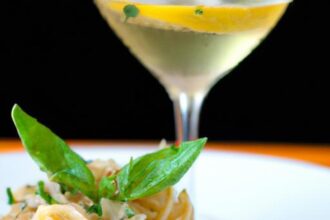
for presentation, garnish with a few fresh basil leaves or finely chopped flat-leaf parsley to add a burst of color and freshness against the warm, hearty sauce. A final dusting of Parmigiano-Reggiano completes the picture.

| Nutrition Per Serving | Calories | Protein | Carbs | Fat |
|---|---|---|---|---|
| Bolognese Sauce with Pasta | 480 kcal | 30g | 40g | 18g |
For further inspiration on Italian sauces and pasta pairings, explore our Complete Italian Pasta Sauces Guide.To deepen your knowlege of customary Bolognese origins, visit Slow Food International.
Q&A
Q&A: Mastering the Classic Bolognese – Timeless Recipe Guide
Q1: What makes a Bolognese sauce truly ”classic”?
A1: At its heart, a classic Bolognese is all about balance and tradition – a rich ragù that melds ground meat, soffritto (onion, celery, carrot), slow-cooked tomatoes, and a splash of wine, simmered patiently until silky and deeply flavorful. It’s not just a tomato sauce; it’s a layered symphony of ingredients honoring the culinary heritage of Bologna,Italy.
Q2: Which meats are authentic to use in a traditional Bolognese?
A2: The classic approach calls for a mix of finely minced beef and pork. Sometiems pancetta is added for that subtle porky depth. The key is using meats that contribute richness without overpowering the sauce. Ground veal can also appear in authentic recipes, boosting tenderness and flavor complexity.
Q3: Can I use canned tomatoes, or should I always use fresh?
A3: While fresh tomatoes bring brightness, traditional Bolognese often leans on the concentrated, sweet tang of canned plum tomatoes or passata. Since the sauce simmers for hours, canned tomatoes break down beautifully, blending seamlessly with the meat and aromatics to create that velvety texture classic to the dish.
Q4: Why does the recipe call for milk or cream? Doesn’t that make the sauce creamy?
A4: Adding milk or a touch of cream in the early stages softens the acidity of the tomatoes and tenderizes the meat,not turning the sauce creamy but rather lending it a subtle roundness and silkiness. It’s a time-honored technique that ensures the final Ragù alla Bolognese has that delicate, lingering warmth.
Q5: How long should I cook Bolognese for the best flavor?
A5: Patience is the secret ingredient. A minimum of two hours simmering over low heat allows the flavors to marry and intensify. Many purists recommend even longer-up to four hours-stirring occasionally. The slow cooking transforms humble ingredients into a lush, harmonious sauce that clings beautifully to pasta.
Q6: Which pasta pairs best with Bolognese?
A6: Wide, flat pastas like tagliatelle or pappardelle are traditional companions, providing the perfect canvas to catch every drop of the hearty sauce. The rough surface of egg pasta helps the ragù cling tightly,amplifying every mouthful’s richness and texture.
Q7: Can Bolognese be made in advance and frozen?
A7: Absolutely! Bolognese often tastes better the next day as flavors deepen. It freezes beautifully, making it a convenient make-ahead meal. Just cool completely, portion into airtight containers, and freeze for up to 3 months. Thaw gently and reheat slowly for best results.
Q8: Any tips for customizing Bolognese without losing its essence?
A8: While tradition is sacred, small tweaks are welcome. Swap pork for veal, add porcini mushrooms for an earthier note, or finish with a grating of nutmeg or a splash of balsamic vinegar for complexity. just keep the balance-meat, aromatics, slow cooking-to honor the classic spirit.
Q9: What common mistakes should be avoided when making Bolognese?
A9: Rushing the process is the biggest pitfall. Avoid boiling sauce aggressively-low and slow is key. Don’t skip the soffritto; those finely chopped aromatics lay the foundation. Also,resist drowning it in tomato paste; Bolognese isn’t a bright red sauce but a rich,mellow ragù.Q10: Why is Bolognese considered more than just a pasta sauce?
A10: Bolognese embodies slow food ideology-a celebration of patience, quality ingredients, and tradition.It’s a culinary story steeped in history, comfort, and communal sharing. Mastering it means embracing the art of slow cooking and honoring a timeless Italian legacy on your plate.
Final Thoughts
Mastering the classic Bolognese is more than just following a recipe-it’s an invitation to savor tradition, patience, and the rich symphony of flavors that have delighted palates for generations. With every simmering pot, you’re not only crafting a hearty sauce but also connecting to a culinary heritage that celebrates simplicity and depth. Armed with this timeless recipe guide, your kitchen becomes a stage where the art of Bolognese unfolds, inviting friends and family to share in a warm, satisfying experience. So, gather your ingredients, embrace the slow-cooked magic, and let your mastery of this Italian classic become a appetizing chapter in your own cooking story. Buon appetito!