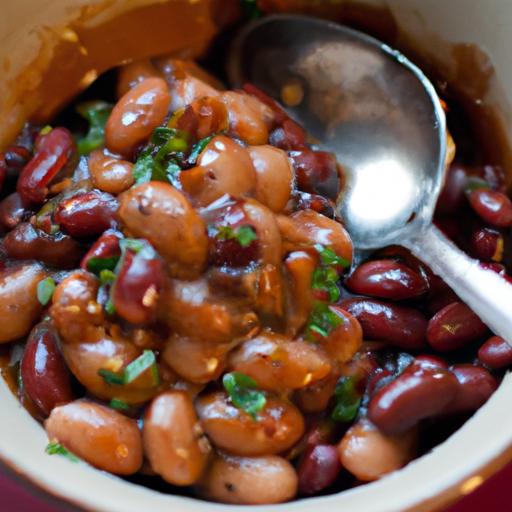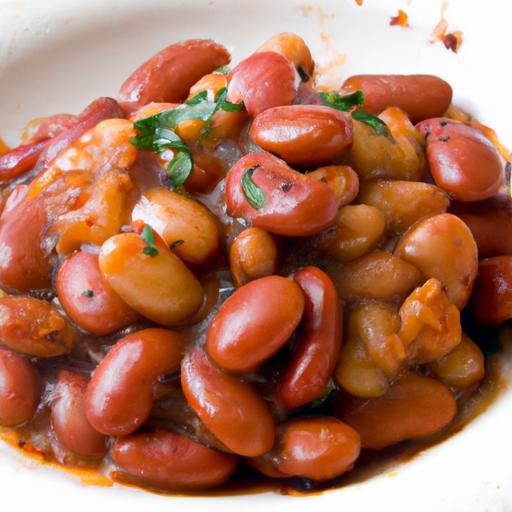
In teh heart of New England’s culinary heritage simmers a dish as rich in history as it is in flavor: Boston Baked beans.More than just a humble bowl of slow-cooked legumes, this iconic comfort food tells a story steeped in colonial tradition, regional pride, and a subtle sweetness that has warmed generations. From the bustling streets of Boston to the cozy kitchens scattered across the region, these tender beans glazed with molasses capture the essence of a time when simple ingredients were transformed by patience and care into something truly unusual. Join us as we peel back the layers of Boston Baked Beans, uncovering the secrets behind their enduring appeal and their sweet slice of New England tradition.
Boston Baked Beans evoke the rich culinary tapestry of New England, blending history, culture, and the comforting sweetness of slow-cooked beans. Steeped in tradition, this iconic dish was originally crafted by Native Americans and early settlers who used local ingredients and natural sweeteners native to the region. The result is a humble yet irresistibly flavorful feast that has warmed Boston tables for centuries. As you dive into this recipe,you’ll uncover the secret ingredients and techniques that transform simple navy beans into a velvety,caramelized masterpiece,perfect for sharing and savoring.
Prep and Cook Time
- Preparation: 20 minutes
- Active Cooking: 45 minutes
- slow Baking: 4 to 5 hours
- Total Time: Approximately 5 hours 45 minutes
Yield
Serves 6 to 8 hearty portions
Difficulty Level
Medium – requires patience and slow cooking but simple techniques
Ingredients
- 2 cups navy beans, soaked overnight and drained
- 4 cups water
- 1/3 cup pure maple syrup (for authentic New England sweetness)
- 1/4 cup molasses (adds depth and a subtle smoky hint)
- 1 medium yellow onion, finely chopped
- 2 cloves garlic, minced
- 1 tablespoon Dijon mustard
- 1 teaspoon smoked paprika
- 1/2 teaspoon dry mustard powder
- 1 teaspoon salt, adjust to taste
- 1/4 teaspoon freshly ground black pepper
- 2 tablespoons apple cider vinegar
Instructions
- Preheat your oven to 300°F (150°C). This low,slow heat is key to achieving the classic creamy texture and deep caramelization.
- prepare the beans: After soaking the navy beans overnight, drain and rinse them thoroughly.
- Sauté the aromatics: In a large oven-safe pot or Dutch oven, sweat the chopped onion over medium heat until translucent, about 5-7 minutes. Add the minced garlic and sauté for another minute until fragrant.
- mix the sauce: Stir in the maple syrup, molasses, Dijon mustard, smoked paprika, dry mustard, salt, and black pepper. Cook gently for 2 minutes to meld the flavors.
- Add beans and water: Fold the soaked beans into the pot and cover with 4 cups of water. Stir to combine evenly.
- Bring to a simmer: Heat the mixture on the stovetop until just simmering. Then cover the pot with a lid or tightly sealed foil.
- Bake slowly: Transfer the pot to the oven and bake for 4 to 5 hours. Check occasionally to make sure beans remain submerged; add hot water if necessary. The long bake allows the beans to soak up the syrupy, molasses-rich sauce and become tender but intact.
- Add vinegar: In the last 30 minutes of cooking,stir in the apple cider vinegar to brighten the flavors and cut through the sweetness with a hint of acidity.
- finish and rest: Remove from oven and let the beans cool slightly before serving. The sauce will thicken as it cools, clinging to each plump bean beautifully.
Tips for Success
- Soaking beans: Don’t skip soaking overnight; it dramatically reduces cooking time and ensures tenderness without breaking the beans apart.
- Sweeteners: Use genuine pure maple syrup and blackstrap molasses for that authentic New England flavor complexity. Darker molasses lends a subtle bitterness that balances the sweetness.
- Slow and low: Resist the urge to crank up the heat. Patience during baking is essential for that melt-in-your-mouth, caramelized goodness.
- Aromatic variations: Experiment by adding bay leaves or a dash of liquid smoke for a different smoky undertone-just avoid overdoing it.
- Make-ahead: Boston baked beans taste even better the next day – refrigerate leftovers and gently reheat, adding a splash of water if sauce thickens too much.
Serving suggestions
Serve your Boston baked beans piping hot in a rustic bowl with a generous sprinkle of freshly chopped parsley for a pop of color and fresh aroma. They pair wonderfully with traditional New England sides such as steaming hot cornbread, buttered boiled potatoes, or a crisp coleslaw to cut through the richness. Elevate your meal by including oven-roasted root vegetables or a bright apple and fennel salad. For iconic New England comfort, add a side of steamed greens drizzled with lemon or pickled beets for a palate-refreshing contrast.
| Nutrient | Per serving |
|---|---|
| Calories | 280 kcal |
| Protein | 15 g |
| Carbohydrates | 48 g |
| Fat | 1.2 g |

For more ways to explore hearty New England flavors, check out our classic New England Stews. To delve deeper into the rich history of Boston cuisine, the History Channel’s article on Boston Baked Beans offers fascinating background.
Q&A
Q&A: Boston Baked Beans – A Sweet Slice of New England Tradition
Q1: What makes boston baked beans so iconic in New England?
A1: boston baked beans are more than just a dish-they’re a culinary emblem steeped in history. their signature sweet and savory blend, enhanced by molasses and salt pork, captures the spirit of New England’s colonial past. This comfort food reflects the region’s agricultural roots and maritime commerce, making every bite a taste of tradition.Q2: Where did the tradition of Boston baked beans originate?
A2: The tradition dates back to the 17th century when Native Americans introduced early settlers to slow-cooked beans. Colonists adapted the recipe, incorporating locally available ingredients like molasses-a byproduct of the rum trade-and salt pork. This slow-cooking method, often done overnight in brick ovens, created the rich, caramelized flavors that define Boston baked beans.
Q3: What ingredients give Boston baked beans their distinctive flavor?
A3: The secret lies in the perfect trio: small white beans (typically navy beans), dark molasses, and salt pork or sometimes bacon. These ingredients meld slowly over hours of baking,allowing the beans to absorb the sweetness and smoky depth. The result is a luscious,sticky glaze that’s both hearty and sweetly satisfying.
Q4: How are Boston baked beans traditionally prepared?
A4: Traditionally, the beans are soaked overnight, then combined with the bold flavors of molasses, salt pork, mustard, and sometimes onions or cloves.the mixture is baked slowly-often for eight hours or more-in a ceramic bean pot, allowing the flavors to intensify and the beans to become tender and richly sauced.
Q5: Why is molasses such an critically important ingredient in Boston baked beans?
A5: Molasses was a key commodity in New England’s triangular trade, making it both abundant and affordable. Its robust sweetness perfectly balances the saltiness of pork and the earthiness of beans, creating the characteristic flavor profile that distinguishes Boston baked beans from other baked bean varieties.
Q6: How has Boston baked beans influenced American cuisine?
A6: Boston baked beans helped popularize beans as a staple of hearty American fare. Their enduring popularity influenced variations across the country, inspiring countless bean dishes at backyard barbecues and holiday tables.The dish also symbolizes New England’s rich culinary heritage, bridging generations through shared recipes and comforting flavors.
Q7: Can one enjoy Boston baked beans outside of New England?
A7: Absolutely! While Boston baked beans are a New England treasure, their sweet, smoky appeal has made them beloved nationwide. Many communities celebrate the dish during cookouts and festivals, and various recipes adapt the traditional method with regional twists-all paying homage to that classic Boston flavor.
Q8: What’s the best way to serve Boston baked beans?
A8: Served hot and frequently enough alongside classic New England fare like brown bread, hot dogs, or pork chops, Boston baked beans add a sweet-savory punch to any meal. they can also star as the centerpiece of a hearty brunch or complement a weekend barbecue with their deep, comforting taste.
Q9: Is ther a cultural or symbolic meaning attached to Boston baked beans?
A9: yes-the dish is sometimes affectionately called “Beantown’s” signature recipe, representing the city’s industrious spirit and rich colonial history. The beans symbolize community, hospitality, and the melding of diverse influences-Native American, Colonial, and African-that have shaped New England’s identity.
Q10: Where can one experience the authentic taste of Boston baked beans today?
A10: Authentic Boston baked beans can be found in traditional New England restaurants,local bakeries selling bean pots,and annual festivals celebrating regional foods. For those who want the full experience, making them at home using a classic recipe allows a delicious dive into New England tradition with every spoonful.
The Way Forward
As the aroma of molasses and smoky bacon lingers in the air, Boston baked beans stand as a warm, flavorful testament to New England’s rich heritage. More than just a dish, they are a sweet slice of history-where colonial ingenuity meets modern comfort, simmered slowly to perfection. Whether enjoyed at a bustling summer cookout or a cozy winter dinner, these beans invite us to savor tradition, one sticky, sweet bite at a time. So next time you seek a taste of Boston’s soulful past, remember: sometimes, the simplest recipes tell the most enduring stories.