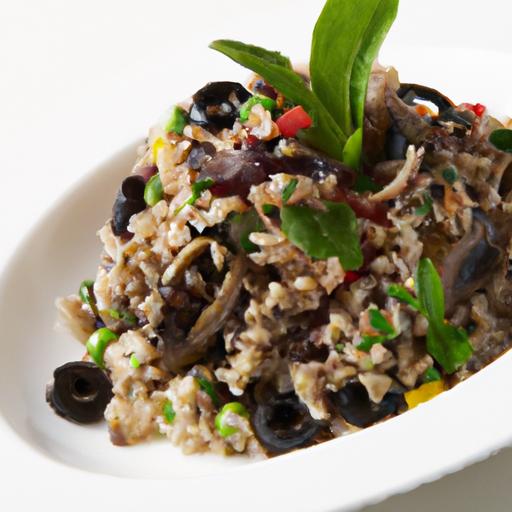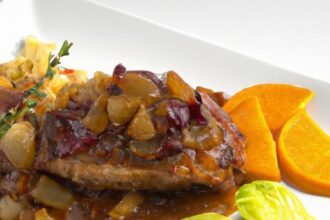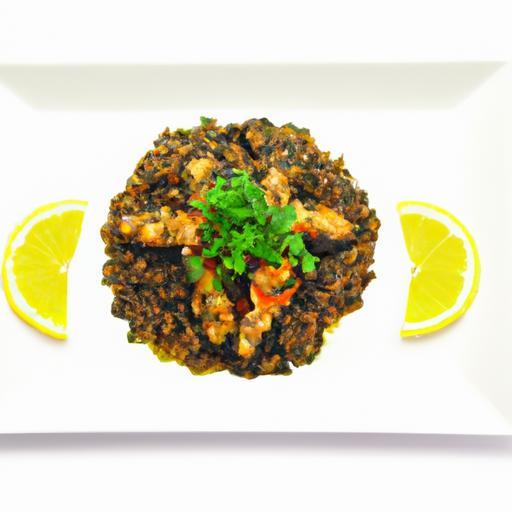
Nestled within the heart of Middle Eastern and mediterranean kitchens, bamia-a luscious stew made from tender okra and rich, savory tomatoes-has long been a beloved comfort dish that tells stories of heritage, family gatherings, and timeless traditions. In this culinary expedition, we unveil the secrets behind the beloved bamia recipe, exploring its nuanced flavors, regional twists, and the cultural essence that has made it a staple across generations. Join us as we embark on a savory journey into tradition, where each bite offers a taste of history and a celebration of the simple yet profound art of home-cooked goodness.
Bamia Recipe Unveiled: A Savory Journey Into Tradition invites you to discover the rich culinary heritage behind one of the Middle East and Mediterranean’s most cherished stews. This beloved dish, centered on tender okra simmered in a luscious tomato-based sauce, weaves flavors and stories from ancient kitchens, highlighting the beauty of simple ingredients elevated by time-honored techniques.Whether shared during family gatherings or festive celebrations, bamia symbolizes warmth, community, and the art of slow-cooked comfort food.
Exploring the Origins and Cultural Significance of Bamia
bamia’s roots stretch across various countries including Egypt, Lebanon, Syria, and Turkey, where it’s revered not just as nourishment but as a cultural emblem. In Arabic, “bamia” simply means okra, yet the dish carries profound meaning-frequently enough prepared during Ramadan or special occasions, embodying hospitality and togetherness. Each family’s recipe tells a different story, blending regional spices and techniques handed down through generations. This stew showcases the agricultural bounty of the region, making it a vibrant symbol of heritage and identity.
Selecting the Perfect Ingredients for Authentic Flavor
Authenticity begins with quality ingredients. The star of the dish is fresh okra, firm and bright green, free of blemishes or sliminess. Opt for small to medium pods-less mature okra will yield a tender texture without overwhelming mucilage. Equally vital are vine-ripened tomatoes or a high-grade canned option, lending natural sweetness and acidity. Fresh garlic, fragrant onions, and a bouquet of regional spices such as ground coriander, cumin, and paprika provide layers of warmth. Using homemade or quality vegetable broth enhances depth. For added richness, a squeeze of lemon and a handful of chopped parsley at the end brightens the final stew, balancing its hearty profile.
Prep and Cook Time
- Planning: 20 minutes
- Cooking: 45 minutes
- Total: 1 hour 5 minutes
Yield
Serves 4 hearty portions
Difficulty Level
Medium - suitable for cooks pleasant with stove-top simmering and layering flavours
Ingredients
- 500g fresh okra, trimmed and washed
- 2 tablespoons olive oil
- 1 large onion, finely chopped
- 4 cloves garlic, minced
- 4 medium tomatoes, peeled and chopped (or 1 cup canned crushed tomatoes)
- 1 teaspoon ground coriander
- 1 teaspoon ground cumin
- 1 teaspoon paprika
- 1/4 teaspoon cinnamon
- 2 cups vegetable broth
- Juice of 1 lemon
- Salt and freshly ground black pepper, to taste
- Fresh parsley, chopped, for garnish
Step by Step Guide to Achieving the Ideal Texture and Taste
- Prepare okra carefully: Trim stems without cutting into the pods to minimize slime. Rinse under cold water and pat dry.
- Heat olive oil in a heavy-bottomed pot over medium heat. Add chopped onions and sauté until translucent and fragrant, about 6-7 minutes.
- Add minced garlic and cook for 1 minute more, stirring constantly to prevent burning.
- Incorporate the spices: ground coriander, cumin, paprika, and cinnamon. Toast gently for 30 seconds to release their fragrance.
- Stir in chopped tomatoes,letting them soften and meld with the spices for about 5-7 minutes until the mixture thickens slightly.
- Gently fold in the okra, coating each pod in the tomato-spice mixture without overcrowding the pot to avoid excessive mucilage.
- Pour vegetable broth over the okra until just covered.Season with salt and pepper.
- Bring to a gentle simmer, cover partially, and cook for 35-40 minutes, stirring occasionally to prevent sticking. The okra should be tender but not mushy.
- Finish with fresh lemon juice to balance richness and sprinkle chopped parsley for bright, herbal notes.
- Adjust seasoning as needed and serve hot.
Expert Tips for Serving and Pairing Bamia with Customary Sides
Bamia shines when paired with fragrant basmati rice or a hearty wedge of fresh homemade pita bread,perfect for scooping up every drop of sauce. A dollop of creamy plain yogurt or a simple cucumber-tomato salad complements the stew’s acidity and spices beautifully.Garnish with a sprinkle of toasted pine nuts or slivered almonds for texture contrast and a nutty finish. For an authentic experience, serve alongside dishes like smoky grilled eggplants or marinated olives. This ensemble transforms a humble meal into a festive feast full of vibrant colors and enticing aromas.
| Nutrient | Per Serving |
|---|---|
| Calories | 180 kcal |
| Protein | 5g |
| Carbohydrates | 28g |
| Fat | 6g |
Tips for Culinary Success
- Choose firm, fresh okra and avoid older pods which can become too slimy and fibrous.
- Do not over-stir during cooking to reduce unwanted slime formation.
- To make ahead, prepare the stew a day in advance-the flavors deepen beautifully when allowed to rest overnight.
- For a richer texture, add a tablespoon of tahini or a few crushed walnuts when serving.
- Want to explore more Middle Eastern flavors? Check out our article on essential Middle Eastern spices and ingredients for inspiration.

Q&A
Q&A: Bamia Recipe Unveiled - A Savory Journey Into Tradition
Q1: What is Bamia, and why is it considered a culinary treasure in traditional cuisine?
A: Bamia is a beloved stew that centers around tender okra simmered slowly in a rich, tangy tomato sauce, frequently enough combined with succulent meat such as lamb or beef. It holds a special place in Middle Eastern and Mediterranean kitchens, treasured for its balance of textures and flavors that evoke generations of home-cooked love. More than a dish, Bamia is a cultural story steeped in heritage-each family’s recipe a testament to tradition and time-honored techniques.
Q2: What are the essential ingredients that give Bamia its distinctive flavor?
A: At the heart of Bamia lies fresh okra, which offers a unique, slightly earthy taste and a characteristic tender density.complementing the okra are ripe tomatoes, garlic, onions, and a bouquet of spices-often including cumin, coriander, and sometimes cinnamon-that create its warm, savory depth.When meat is included, it contributes a hearty richness that melds beautifully with the bright, acidic tomato base.Some variations also feature lemon juice or pomegranate molasses, adding a subtle tang to round out the dish.
Q3: How is Bamia traditionally prepared, and what makes the cooking process special?
A: Tradition dictates a slow, loving simmer that allows each ingredient to transform and harmonize. The okra is carefully selected to be fresh and firm, frequently enough trimmed to avoid excessive mucilage, which can thicken the stew. The meat is browned to develop a deep caramelized flavor before joining the aromatic tomato and spice mixture. Patience is key-the stew cooks gently over low heat, inviting the flavors to deepen and the textures to meld. This slow-cooking ritual is part of what makes Bamia more than just a meal-it’s a comforting, communal experience.
Q4: Are there regional variations of Bamia,and how do they differ?
A: Absolutely! Bamia wears many hats across regions. In Levantine countries like Lebanon and Syria, it’s common to find lamb-based Bamia enriched with garlic and lemon, served alongside rice or bulgur. In Turkey, Bamya includes olive oil and sometimes okra is stewed with bits of tomato and onion, often lighter and vegetarian. Egyptian versions might incorporate beef and a robust dose of garlic. Each variant reflects local tastes, available ingredients, and cultural influences, making Bamia a wonderfully diverse dish that connects different traditions under one savory umbrella.
Q5: What makes Bamia more than just a stew, in terms of cultural significance?
A: Bamia is a culinary bridge between generations-a recipe passed down like a cherished family heirloom. It often appears at family gatherings, religious celebrations, or simple Sunday lunches, symbolizing comfort, care, and continuity. Beyond the ingredients and cooking methods, Bamia carries stories: of resilience, celebration, and the wholesome essence of home cooking. Sharing a bowl of Bamia is, in many ways, sharing a slice of heritage and the warmth of togetherness.
Q6: Can Bamia be adapted for modern dietary preferences without losing its essence?
A: Definately! While traditionally meat-based, Bamia easily lends itself to vegetarian and vegan adaptations by substituting meat with hearty mushrooms, eggplant, or chickpeas. Using vegetable broth instead of meat stock keeps the stew rich and flavorful. Likewise, gluten-free and low-fat versions are achievable with minimal tweaks. The core principle remains the same-slow-cooked okra in a tomato-rich sauce-preserving the soul of the dish while embracing contemporary nutritional needs.
Q7: What tips can home cooks follow to master the perfect Bamia at home?
A: Start with the freshest okra you can find-look for firm pods without blemishes. Trim the stems carefully to reduce sliminess, but avoid cutting too much to retain texture. brown your meat well to build flavor, and don’t rush the simmer; patience is the secret to melding tastes. Balance your acidity-lemon juice or pomegranate molasses can brighten the stew beautifully. serve Bamia with complementary sides like fluffy rice or warm, crusty bread to soak up its luscious sauce. And most importantly,cook with love-the intangible ingredient that makes all the difference.
This Q&A uncovers the appetizing layers and timeless traditions behind the Bamia recipe, inviting readers to embark on their own savory journey into a remarkable culinary heritage.
Key Takeaways
As we close the pot on our culinary journey through the heart of Bamia, it’s clear that this humble stew is much more than just a recipe-it’s a flavorful bridge to tradition, culture, and community. Each tender bite of tender okra and richly spiced tomato sauce carries centuries of stories, lovingly passed down from one generation to the next.Whether you’re a seasoned cook or a curious foodie, embracing Bamia invites you to savor not only its delicious complexity but also the enduring spirit of the heritage it represents.So, the next time you gather around the table, let Bamia be your savory storyteller, reminding you that food is truly the soul of tradition.