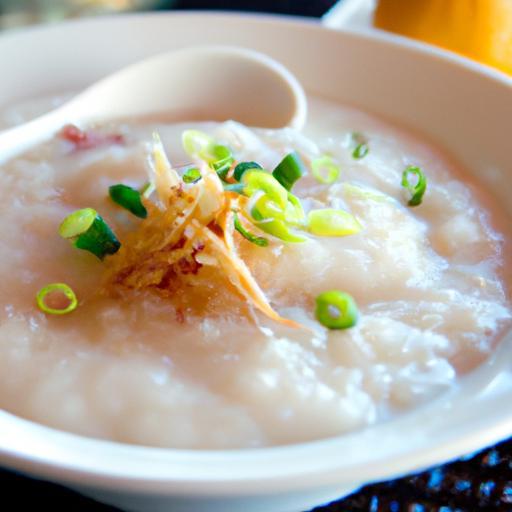
There’s a quiet magic in a bowl of Chinese congee – a humble porridge that has warmed hearts and nourished bodies for centuries.Frequently enough overlooked in favor of flashier dishes, congee embodies the essence of comfort food: simple, soothing, and profoundly versatile. From bustling city breakfasts to tranquil countryside kitchens, this timeless culinary classic transcends geography and generations, offering not just sustenance but a deeply rooted connection to culture and tradition. In exploring the comforting allure of Chinese congee,we uncover a story of history,health,and harmony spooned into every steaming bowl.
Chinese Congee, a soothing staple in countless households, embodies centuries of tradition and comfort in every spoonful.This versatile rice porridge has journeyed thru history, serving as both humble sustenance and a celebratory delicacy. Known for its gentle texture and adaptability, Chinese congee invites endless creativity while honoring its cultural roots.
Prep and Cook Time
- Planning Time: 10 minutes
- Cooking Time: 1 hour
yield
- Serves 4 generous portions
Difficulty Level
- Easy
Ingredients
- 1 cup jasmine rice, rinsed until water runs clear
- 8 cups water or unsalted vegetable broth
- 1-inch piece fresh ginger, peeled and sliced thinly
- 2 cloves garlic, crushed
- 2 scallions, sliced thinly (separate whites and greens)
- 1 medium carrot, peeled and julienned
- 100g shiitake mushrooms, sliced
- Salt, to taste
- White pepper, to taste
- Toasted sesame oil, for drizzling
- Fresh cilantro or coriander leaves, for garnish
- Optional toppings: shredded cooked chicken breast, diced tofu, preserved vegetables (meigan cai)
Instructions
- Prepare the rice: rinse the jasmine rice under cold water until the water runs clear. This removes excess starch and prevents the congee from becoming overly sticky.
- Combine ingredients: In a large heavy-bottomed pot, add rinsed rice, water or vegetable broth, sliced ginger, and garlic. Bring to a rapid simmer over medium-high heat.
- Simmer gently: Once boiling, reduce heat to low and cover the pot partially, allowing steam to escape. Simmer gently for about 45-60 minutes, stirring occasionally to prevent rice from sticking and scorching the bottom.
- Check texture: When the rice grains start breaking down and the porridge achieves a creamy, velvety consistency, stir in the carrot julienne and shiitake mushrooms.
- Cook vegetables: Continue simmering for an additional 10-15 minutes until carrots are tender but retain slight bite and mushrooms are tender.
- season: Stir in salt,white pepper,and the whites of the scallions.Adjust seasoning to taste.
- Serve: Ladle hot congee into bowls. Drizzle with toasted sesame oil and garnish with scallion greens and fresh cilantro.Add optional toppings if desired for added texture and flavor.
Tips for Success with Chinese Congee
- Rice choice matters: While jasmine rice is fragrant and traditional, short-grain rice will yield a creamier texture. Experiment to find your favorite.
- Slow cook for best texture: Resist the urge to increase heat; low and slow transforms simple rice and water into a silky, indulgent porridge.
- Customize toppings: Chinese congee is a blank canvas – try shredded chicken, sautéed mushrooms, century egg, or fresh herbs for variety.
- Make ahead and store: Congee thickens upon refrigeration; reheat with a splash of water or broth to restore prized creaminess.
- Stir frequently: This prevents rice from settling and sticking to the pot’s bottom, ensuring even cooking.
- For a richer broth: Adding dried scallops or kombu seaweed to the simmering water enhances umami without overpowering delicate flavors.
Serving Suggestions
serve Chinese congee piping hot in deep bowls for a comforting meal. garnish with vibrant green scallions and fresh cilantro leaves to add freshness and color. For layered textures, scatter crunchy fried shallots or toasted sesame seeds on top.Pair it with a side of lightly sautéed greens or steamed bok choy to balance the meal. This easy-to-digest dish shines at breakfast, lunch, or even a light dinner, perfect for chilly mornings or soothing an under-the-weather appetite.

| Nutrient | Per Serving |
|---|---|
| Calories | 150 kcal |
| Protein | 4 g |
| Carbohydrates | 32 g |
| Fat | 1 g |
Discover additional comforting rice-based dishes like Chinese Steamed Rice Buns to complement your culinary journey. For deeper insight into the cultural legacy of Chinese staples, visit Encyclopedia Britannica’s congee article.
Q&A
Q&A: The Comfort of Chinese Congee: A Timeless Culinary Classic
Q1: what exactly is Chinese congee?
A1: At its heart, Chinese congee is a simple, soothing rice porridge made by simmering rice in a generous amount of water or broth until it breaks down into a creamy, velvety texture. It’s a humble dish that transforms basic ingredients into a warm hug in a bowl-comfort food that feels like home with every spoonful.Q2: How long has congee been a part of Chinese cuisine?
A2: Congee’s roots run deep,tracing back over 2,000 years to ancient china. It was originally a practical way to stretch rice supplies, especially during times of scarcity. Over centuries, it evolved from mere sustenance into a beloved staple, cherished for its versatility and nurturing qualities.
Q3: why is congee considered so comforting and healing?
A3: Congee’s gentle warmth and smooth texture make it extraordinarily easy on the stomach, ideal for all ages and situations-from newborns transitioning to solids to the elderly or the unwell recuperating from illness. Traditionally, it’s also been seen as a medicinal food, frequently enough paired with herbs or proteins to nourish and revitalize the body.
Q4: Are there regional variations of congee across China?
A4: Absolutely! Congee wears many regional hats. In Cantonese cuisine, it’s frequently enough silky and smooth, served with ingredients like century eggs or pork slices. In northern China, thicker congees with added millet or corn are common. Southern variants might include savory toppings like pickled vegetables or fresh seafood, reflecting local tastes and culinary customs.Q5: Can congee be sweet as well as savory?
A5: Without a doubt! Though savory congee steals the spotlight, sweet congee versions delight the palate too. These might feature red beans,mung beans,or sweet potatoes,gently cooked into the porridge with sugar,creating a dessert-like experience that’s equally comforting and satisfying.
Q6: How has congee maintained its relevance in modern cuisine?
A6: Congee’s ability to adapt is key to its timelessness. While rooted in tradition, it embraces innovation-chefs experimenting with new ingredients, global twists, and artistic plating. At the same time, busy urbanites turn to congee for its quick preparation and nourishing qualities. Its essence as a comfort food remains unshaken in the fast-paced world.
Q7: What makes congee a global comfort food beyond Chinese culture?
A7: There’s something universally soothing about a warm, soft porridge that transcends borders. Like oatmeal or risotto in other cultures, congee provides nourishment in a form that feels gentle and restorative.Its simplicity invites endless customization, allowing it to resonate with diverse tastes and dietary needs, making it a beloved comfort food worldwide.
Q8: How can someone new to congee best experience this dish?
A8: Start with a basic recipe-slowly simmering rice with water until it reaches that creamy, comforting consistency. Then, experiment with toppings: tender chicken, fresh scallions, ginger, preserved eggs, or even a drizzle of sesame oil. The joy of congee lies in its warmth and adaptability, so tailor it to your taste and savor the soulful connection to an age-old culinary tradition.
In Summary
In the gentle steam rising from a bowl of Chinese congee, we find more than just nourishment; we uncover a story steeped in tradition, comfort, and cultural harmony. This timeless culinary classic transcends mere sustenance, offering a soothing embrace that has warmed hearts and homes for centuries. Whether enjoyed plain or adorned with an array of savory or sweet accompaniments, congee remains a humble yet profound reminder of the simple pleasures in life. As we savor each spoonful, we connect with a heritage that celebrates resilience, adaptability, and the universal quest for comfort-making congee not just a dish, but a cherished ritual that continues to comfort and inspire across generations.