In the heart of ancient traditions and aromatic kitchens around the world, one humble seed has brewed its way into the stories of wellness and comfort-anise. Anise tea, with its delicate licorice-like flavor and soothing warmth, is more than just a comforting beverage; it is a timeless elixir celebrated for its rich heritage and potential health benefits. Journey with us as we unveil the captivating world of anise tea, exploring its flavorful complexity, cultural roots, and the wisdom it offers for modern-day well-being. Whether you seek a moment of calm or a natural boost for your body, this flavorful sip invites you to savor tradition steeped in wellness.
The Origins and Cultural importance of Anise Tea
Anise tea, a beloved herbal infusion celebrated across centuries and continents, carries a rich tapestry of history and cultural meaning. Starting from ancient Mediterranean and Middle Eastern societies, anise tea was cherished not only for its sweet, licorice-like aroma but also as a ritualistic brew symbolizing healing, hospitality, and spiritual protection. Conventional healers in Egypt, Greece, and Persia often recommended anise tea as a digestive aid and a comforting elixir during cold seasons. It found its way into daily life and ceremonies alike, bridging cultures through shared reverence for this fragrant spice.
The cultural significance of anise tea continues today. In many Middle Eastern households, it is indeed served to guests as a symbol of warmth and care, while in some Mediterranean regions, it is an essential part of post-meal relaxation, helping ease digestion and uplift the spirits. This holistic heritage enriches each cup, making anise tea more than a beverage-it is a flavorful sip of wellness and tradition.
Unlocking the Health Benefits Backed by Science
Modern science has illuminated why anise tea enjoys such a revered status around the world. Rich in antioxidants and essential oils like anethole, anise has been linked to numerous health benefits.Studies show it can soothe digestive disturbances, alleviate respiratory congestion, and even reduce inflammation and menstrual discomfort. The antibacterial and antifungal properties of anise contribute to immune support, offering a natural way to maintain well-being.
Incorporating anise tea regularly can promote gastrointestinal comfort by relaxing muscles in the digestive tract and reducing gas or bloating. Moreover, its gentle calming effects support stress reduction and improved sleep quality, making it a perfect companion for winding down after a busy day. Scientific research published by the National Center for Biotechnology Information underscores these benefits, reinforcing anise tea’s age-old reputation as a herbal powerhouse.
Brewing the Perfect Cup: Tips and techniques for Anise Tea
Perfecting your cup of anise tea is an art that transforms simple ingredients into a fragrant, soothing experience. Start with whole anise seeds to capture full flavor complexity; ground versions tend to lose their potency quickly. Measure about 1 teaspoon of whole anise seeds per cup of water for an ideal balance between depth and subtlety.
To brew, gently crush the seeds using a mortar and pestle or the back of a spoon to release essential oils before steeping. Pour freshly boiled water over the seeds, then cover your teapot or cup to preserve the aromatic steam. Let it steep for 7 to 10 minutes-any longer might introduce unwanted bitterness. Strain carefully into your favorite teacup and savor the warm, sweet licorice notes.
For an extra twist,add a slice of fresh ginger or a dash of honey,which complements anise’s natural warmth.Avoid boiling the seeds directly as excessive heat can diminish the delicate flavors and subtle therapeutic properties.
Creative Recipes to Elevate Your Anise Tea Experience
Prep and Cook Time
- Prep Time: 5 minutes
- Steeping Time: 8 minutes
- total Time: 13 minutes
Yield
- 1 serving (8 ounces)
Difficulty Level
- Easy
Ingredients
- 1 teaspoon whole anise seeds
- 8 ounces filtered water
- optional: 1 teaspoon honey or maple syrup for sweetness
- Optional: 1 thin slice fresh ginger for warming depth
- Optional garnish: fresh mint leaves or lemon peel twist
Instructions
- Crush the anise seeds gently using a mortar and pestle or the side of a spoon to release their essential oils.
- Boil the filtered water and pour immediately over the crushed seeds in a heatproof teapot or cup.
- Cover and steep the seeds for 7-10 minutes to extract a rich, aromatic flavor.
- Strain the tea through a fine mesh sieve into your favorite mug.
- Add honey or maple syrup for a natural sweetness, if desired, stirring gently.
- Optionally add a slice of fresh ginger while steeping for a spicy undertone or garnish with mint or lemon zest for brightness.
- Serve immediately and enjoy warm for best flavor and health benefits.
Tips for Success
- Use fresh seeds for optimal aroma; stale anise can taste dull or woody.
- If the tea tastes bitter, reduce steeping time or avoid boiling the seeds directly.
- For iced anise tea, brew double concentration, cool, then serve over ice with a lemon wedge.
- Make a larger batch and store sealed in the fridge for up to 48 hours.
- Experiment with blending anise tea with chamomile or green tea for varied flavor profiles and benefits.
Serving Suggestions
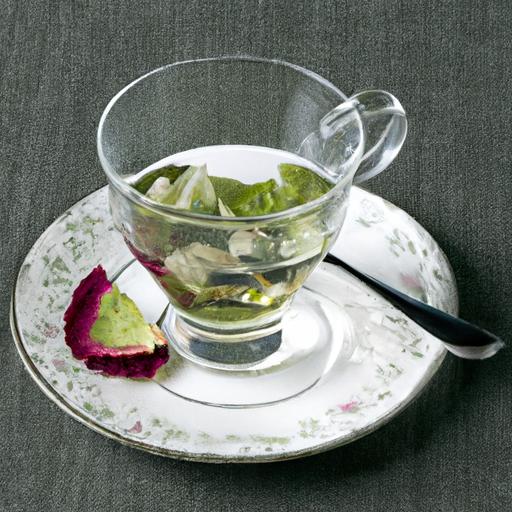
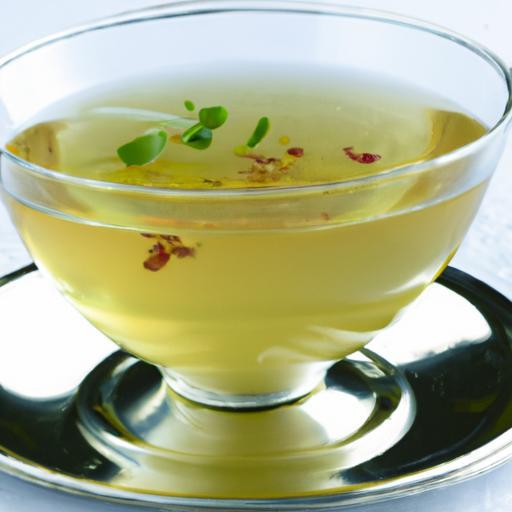
Present your anise tea in elegant glassware or a handcrafted ceramic cup to showcase its warm amber hue. Garnish with a fresh mint sprig, a thin lemon peel twist, or a star anise pod for visual drama and added fragrance.Complement this soothing tea with light snacks such as almond biscotti, spiced nuts, or dried figs to heighten the sensory experience. Whether enjoyed as a morning ritual or an evening unwind, anise tea pairs beautifully with moments of mindfulness and relaxation.

| Nutrient | Per Serving |
|---|---|
| Calories | 5 kcal |
| Protein | 0.2 g |
| Carbohydrates | 1.2 g |
| Fat | 0 g |
Discover more herbal delights in our Complete Guide to Herbal teas and embrace a flavorful journey of wellness and tradition.
Q&A
Q&A: Anise Tea Unveiled: A Flavorful Sip of Wellness and Tradition
Q1: What exactly is anise tea?
A1: Anise tea is a fragrant herbal infusion made from the seeds of the anise plant (Pimpinella anisum). Known for its distinct licorice-like flavor, this tea has been cherished for centuries across various cultures-not just for its taste but also for its reputed health benefits.
Q2: Where does anise tea come from?
A2: The origins of anise tea trace back to the Mediterranean and Middle Eastern regions, where anise seeds have long been used in cooking, medicine, and brewing. Historically, its been a comforting staple in folk remedies and a traditional beverage passed down through generations.
Q3: What does anise tea taste like?
A3: Imagine a gentle whisper of sweet licorice on your palate with a warm, slightly spicy undertone. The flavor is subtly sweet, aromatic, and soothing-making it an ideal companion for moments of relaxation or introspection.
Q4: How is anise tea prepared?
A4: Preparing anise tea is simple yet ritualistic: crush a teaspoon of whole anise seeds to release their oils, steep them in hot but not boiling water for about 5-10 minutes, then strain. Some prefer to sweeten it lightly with honey or balance its earthiness with a slice of lemon.
Q5: What are the health benefits of anise tea?
A5: Beyond its inviting flavor,anise tea is packed with wellness magic. Traditionally, it’s been used to soothe digestive issues, alleviate coughs, ease menstrual cramps, and promote relaxation. Rich in antioxidants and natural compounds, it supports overall digestive harmony and respiratory health.
Q6: Can anise tea be consumed daily?
A6: Yes, enjoying anise tea daily in moderate amounts is generally considered safe and can be a comforting ritual.Though, people with allergies to anise or related plants (like fennel or celery) shoudl exercise caution. Pregnant or nursing women are advised to consult a healthcare provider before regular consumption.
Q7: Are there cultural traditions associated with anise tea?
A7: Absolutely! In Middle Eastern and Mediterranean cultures, anise tea is frequently enough brewed as a symbol of hospitality and warmth. Some cultures integrate it into post-meal rituals to aid digestion, while others use it during festive or healing ceremonies-imbuing every sip with stories and heritage.
Q8: How does anise tea compare to other herbal teas?
A8: Unlike chamomile or peppermint, anise tea’s signature licorice flavor offers a unique taste adventure. Its combination of sweet and spicy notes stands out,while its medicinal profile leans more towards digestive and respiratory support. For herb enthusiasts aiming to diversify their herbal tea cabinet, anise offers a vibrant and flavorful choice.
Q9: Where can one find quality anise tea?
A9: Quality anise seeds or pre-packaged anise tea blends can be found in specialty tea shops, organic markets, or online. When selecting, look for whole seeds rather than powders for a fresher, more potent brew. Organic and sustainably sourced options are preferable for the best flavor and health benefits.Q10: What’s the best way to enjoy anise tea?
A10: Whether savored alone on a quiet afternoon or shared among friends during lively conversation, anise tea invites you to slow down and savor both flavor and tradition.Experiment with adding complementary herbs like mint or cinnamon-and let each cup be a flavorful sip of wellness.
Insights and Conclusions
As the final leaves steep and the delicate aroma of anise fills the air, we come to appreciate that this timeless tea is more than just a comforting beverage-it’s a fragrant bridge connecting generations, cultures, and wellness traditions. Whether sipped quietly during a moment of reflection or shared among friends to spark conversation, anise tea invites us to savor its unique flavor while embracing the healthful benefits it has long offered.So, the next time you seek a flavorful sip that warms both body and soul, let anise tea unveil its secrets, reminding us that sometimes, the simplest rituals carry the richest stories.