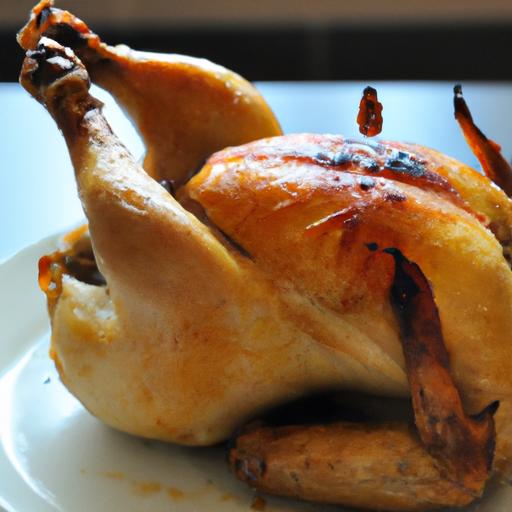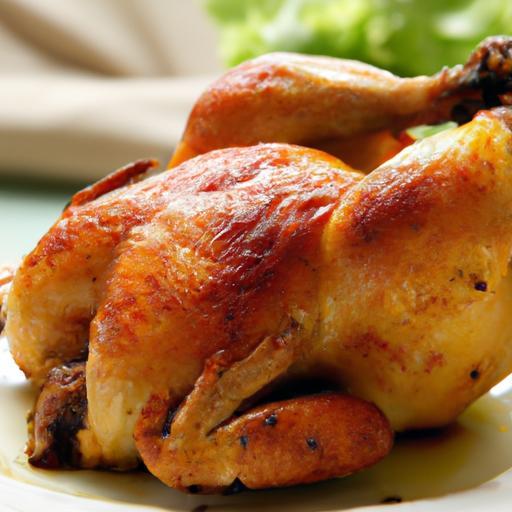
There’s something undeniably magical about a whole roasted chicken-the golden, crispy skin, the fragrant aroma wafting through the kitchen, and the tender, juicy meat that promises comfort with every bite. Yet, achieving that perfect roast, where the chicken is cooked through without losing its moisture, can feel like a culinary puzzle. How long should you cook a whole chicken too reach that delightful balance of crispiness and succulence? In this article, we’ll unravel the secrets to perfectly roasting a whole chicken, exploring the ideal cooking times, temperatures, and techniques that transform a simple bird into a centerpiece worthy of any table. Whether you’re a seasoned home cook or a curious beginner, get ready to elevate your roasting game to juicy, golden perfection.
Perfectly Roasted: How Long to Cook a Whole Chicken hinges on mastering every detail-from selecting the right bird size to thoughtfully resting your meat after roasting. Achieving that coveted balance between juicy interior and crispy, golden skin is an art built on informed planning and precise timing. Let’s dive deep into how to choose the chicken’s size and prep it for even roasting, understand the optimal oven temperatures for crisp skin, nail the timing technique to avoid dryness, and apply expert tips for resting and carving to maximize flavor and texture.
Choosing the Right Size and Preparation for even Roasting
When aiming for perfectly cooked chicken, the size matters profoundly. For a balanced roasting process, opt for a whole chicken between 3 to 4 pounds. This size ensures the heat penetrates evenly without overcooking the outer layers. Smaller birds can dry out faster, while larger ones require longer cook times that risk uneven doneness.
Before roasting, it’s vital to prepare the chicken to promote even cooking. Start by removing excess fat and patting the skin dry with paper towels-dry skin crisps better. Tucking the wing tips under the body prevents burning and produces a tidy roast. Consider trussing the legs together with kitchen twine to ensure the breast meat doesn’t overcook prematurely.
Optimal Oven Temperatures for Juicy and Crispy Skin
Temperature control is the secret to that perfect textural contrast. begin roasting at a higher heat of 425°F (220°C) for the first 15 minutes. This initial blast encourages the skin to crisp and caramelize beautifully. Then, reduce the temperature to 350°F (175°C) for the remainder of the roasting time to cook the meat through gently and retain juiciness.
If the chicken is browning too fast, tent it loosely with aluminum foil to prevent the skin from burning while still maintaining heat inside the cavity.This method preserves both appearance and moisture.
timing Techniques to Ensure Tender Meat Without Dryness
The hallmark of perfectly roasted whole chicken cooking times is accuracy tailored to the bird’s weight. as a reliable rule of thumb, roast your chicken for about 20 minutes per pound, adding an extra 10-15 minutes to ensure thorough cooking. For example, a 4-pound chicken should roast for approximately 1 hour and 30 minutes.
Always verify doneness using a meat thermometer: the internal temperature should read 165°F (74°C) when inserted into the thickest part of the thigh,not touching bone. This confirms safe, tender meat without dryness. Avoid the temptation to rely solely on visual cues, as the color of the juices can be misleading.
Resting and Carving Tips to Maximize flavor and Texture
After pulling your chicken from the oven, patience is your ultimate ally. Rest your bird for at least 15 minutes on a carving board, loosely covered with foil. This rest period lets the juices redistribute from the center outward, transforming the meat from dry to delectably moist and tender.
When carving, use a sharp carving knife and follow these steps:
- Remove the legs and thighs first by slicing through the joint where they meet the body.
- Slice the breasts against the grain in even, thin pieces-this will help keep the meat tender and easy to chew.
- Don’t discard the crispy skin-serve it atop each slice for a perfect crunch contrast.
Prep and Cook Time
- Preparation: 15 minutes
- Cook time: 1 hour 20 minutes to 1 hour 40 minutes (depending on weight)
- Resting time: 15 minutes
Yield
Serves 4 to 6 people, depending on appetite and side dishes.
Difficulty Level
Medium – no advanced skills needed, but requires attention to timing and temperature.
Ingredients
- 1 whole chicken: 3 to 4 pounds, rinsed and patted dry
- 2 tablespoons olive oil
- 1 teaspoon salt
- ½ teaspoon freshly ground black pepper
- 1 teaspoon garlic powder
- 1 teaspoon smoked paprika
- ½ teaspoon dried thyme or rosemary
- 1 lemon, halved
- 3 cloves garlic, smashed
- Fresh herbs for stuffing (optional): rosemary, thyme, or parsley sprigs
Instructions
- Preheat your oven to 425°F (220°C). Position a rack on the middle shelf.
- Season the chicken: Rub olive oil all over the skin, then apply salt, pepper, garlic powder, smoked paprika, and thyme evenly. Insert the lemon halves, garlic cloves, and herbs inside the cavity.
- Truss the chicken by tying the legs together with kitchen twine and tucking wing tips under the body.
- Place the chicken breast-side up on a roasting pan or oven-safe skillet.
- Roast at 425°F (220°C) for 15 minutes, then reduce heat to 350°F (175°C). Continue roasting, basting occasionally with pan juices.
- Check the temperature after about 1 hour (for a 3.5-pound bird).Insert a meat thermometer in the thigh; remove the chicken once it reaches 165°F (74°C).
- Remove from oven and tent loosely with foil. let rest for at least 15 minutes to allow juices to settle.
- Carve following the resting tips and serve with crisp skin atop each portion.
Chef’s Notes
- Substitution tip: use fresh lemon zest in the seasoning blend for an extra zing if you skip stuffing the cavity.
- make-ahead: Season chicken the night before and refrigerate uncovered to dry out skin for even crispier results.
- Troubleshooting dryness: Do not skip the resting period and always track internal temperature with a reliable thermometer.
- Add aromatics: Placing sliced onions or carrots beneath the bird can add flavorful steam and prevent dripping mess.
Serving Suggestions
Serve your perfectly roasted chicken alongside roasted root vegetables or a fresh seasonal salad. Garnish with sprigs of fresh herbs and lemon wedges to brighten the plate. For sauces, a simple pan jus or garlic-herb compound butter complements the crisp skin and juicy meat beautifully.
For a rustic touch, serve on a wooden board with crusty bread to soak up those irresistible juices.
| Nutrient | Per Serving (4 oz) |
|---|---|
| Calories | 220 kcal |
| Protein | 26 g |
| Carbs | 0 g |
| Fat | 12 g |

For further tips on making homemade chicken broth from your roast remnants, visit our related guide. Also, explore USDA’s safe cooking temperatures for comprehensive safety advice.
Q&A
Q&A: Perfectly Roasted – How long to Cook a Whole chicken
Q1: Why is roasting a whole chicken considered an art?
A: Roasting a whole chicken isn’t just about heat and time-it’s about unlocking juicy tenderness and golden, crispy skin in perfect harmony. It’s the alchemy of seasoning, temperature, and timing that transforms humble poultry into a feast fit for any table.
Q2: What’s the general rule of thumb for roasting a whole chicken?
A: The classic guideline is roughly 20 minutes of roasting per pound (about 45 minutes per kilogram) at 375°F (190°C).so, a 4-pound bird typically takes around 1 hour and 20 minutes.But remember, ovens and chickens vary, so times are a starting point, not a guarantee.
Q3: How do I know when my roast chicken is done?
A: The true test is an internal temperature of 165°F (74°C) in the thickest part of the thigh (avoiding the bone). If you don’t have a thermometer, the juices should run clear when pierced, and the leg should wiggle freely in its joint.
Q4: Should I roast my chicken covered or uncovered?
A: For crispy, golden skin, roasting uncovered is the way to go. If you want extra moist meat, you can start roasting covered with foil, then remove it in the last 20 minutes to brown the skin beautifully.
Q5: Does resting the chicken after roasting really matter?
A: Absolutely! Resting for at least 10-15 minutes lets the juices redistribute, ensuring every bite is moist and flavorful. Carving too soon risks dry meat running out onto your cutting board.
Q6: Can I speed up cooking time without drying the chicken?
A: Higher temperatures-like 425°F (220°C)-can cook faster (about 15 minutes per pound), but require vigilant watching to prevent overcooking. Alternatively, spatchcocking (butterflying) the bird flattens it for faster, more even roasting.
Q7: Any tips for roasting the perfect whole chicken?
A: Season generously inside and out. Don’t skimp on herbs, garlic, lemon, and butter or oil for flavor and crisp skin. Tuck the wing tips under the bird to prevent burning. And don’t forget to baste for extra juiciness!
Q8: What sides pair best with a perfectly roasted chicken?
A: Roasted root vegetables absorb drippings beautifully, while a fresh green salad or tangy slaw provides balance. Creamy mashed potatoes or a fragrant rice pilaf round out this comforting classic.
Roasting a whole chicken is a timeless culinary ritual-master the timing,trust your instincts,and every meal becomes a celebration of golden,savory perfection.
Concluding Remarks
Perfectly roasting a whole chicken is more than just a recipe-it’s a blend of science, patience, and a touch of culinary magic.By understanding the ideal cooking times and temperatures, you can unlock juicy, golden-brown perfection every time you pull that bird from the oven. So next time you prepare your feast, remember: the secret is in the timing. With this guide in hand, your perfectly roasted chicken won’t just be a meal-it’ll be a celebration on a plate. Happy roasting!