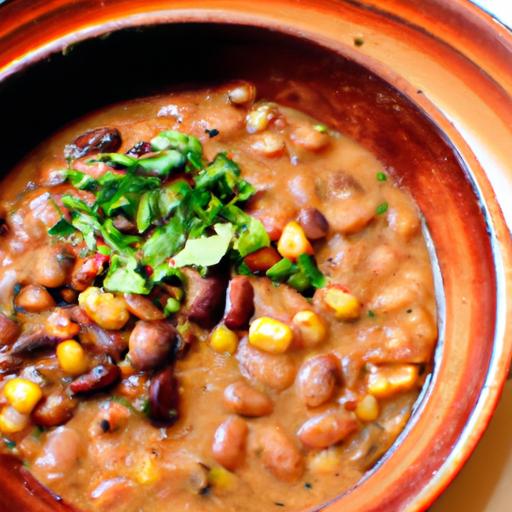
Nestled at the heart of Mexican home cooking lies a humble yet profoundly comforting dish: Frijoles de la Olla. These conventional stewed beans, simmered slowly in a clay pot, carry centuries of heritage in every tender bite.Beyond their simple appearance, Frijoles de la olla offer a rich tapestry of flavors and cultural significance that have nourished families across generations. In this article, we uncover the story behind these beloved beans-from their ancient roots and regional variations to their role in everyday meals and festive gatherings-inviting you to savor not just a dish, but a vibrant piece of Mexico’s culinary soul.
Origins and Cultural Significance of Frijoles de la Olla
Frijoles de la Olla, a cornerstone of Mexican cuisine, carry a rich legacy that stretches back centuries to the indigenous peoples of Mesoamerica. This humble yet hearty dish of slow-cooked beans is much more than a simple side; it embodies tradition, nourishment, and community. passed down through generations, frijoles de la olla remain synonymous with home-cooked warmth, often enjoyed in family kitchens from small villages to bustling cities across Mexico.
The term “de la olla” translates to “from the pot,” highlighting the traditional clay pot used to simmer these beans slowly and gently-unlocking deep, earthy flavors. These beans were prized not only for their sustenance but also for their symbolism in daily rituals, agricultural cycles, fiestas, and communal meals. today, they represent comfort food at its most authentic and unpretentious, inviting cooks everywhere to savor a link to Mexico’s culinary past.
Prep and Cook time
- Planning time: 15 minutes (plus soaking overnight)
- Cooking Time: 1 hour 30 minutes to 2 hours
Yield
- Serves 6 generously
Difficulty Level
- Easy – perfect for all home cooks eager to explore authentic Mexican flavors
Ingredients
- 2 cups dried pinto beans, rinsed and sorted
- 10 cups filtered water (or enough to cover beans by 3 inches)
- 1 medium white onion, peeled and quartered
- 3 garlic cloves, whole and unpeeled (optional for depth)
- 1 teaspoon sea salt (adjust to taste)
- 1 bay leaf
- Fresh epazote leaves (about 5-6, optional but authentic, for herbal aroma)
- Vegetable oil (for optional sautéed finishing)
Step-by-Step Guide to Preparing Authentic Frijoles de la Olla
- Soak the beans overnight. Place dried pinto beans in a large bowl and cover with plenty of water. Let soak for 8-12 hours to soften and reduce cooking time.
- Drain and rinse the beans. After soaking, drain the water and rinse thoroughly under cold running water.
- Combine beans with water, onion, garlic, and bay leaf. In a large heavy-bottom pot or clay pot,add the soaked beans,10 cups filtered water,quartered onion,whole garlic cloves,and bay leaf.
- Bring to a gentle boil. Place the pot over medium-high heat and bring the mixture to a fast boil, uncovered. Skim off any foam that rises to the top to keep the broth clear.
- Reduce heat and simmer slowly. Lower heat to maintain a gentle simmer. Partially cover and cook for 1.5 to 2 hours, stirring occasionally to prevent beans from sticking to the bottom.
- Check the beans for tenderness. Begin tasting around 1 hour 30 minutes. Your beans are done when soft but still intact, with a creamy texture inside.
- Add salt and epazote. Stir in sea salt and add fresh epazote leaves during the last 20 minutes of cooking for traditional flavor enhancement.
- Remove aromatics. once beans are cooked, remove the onion, garlic, bay leaf, and epazote with a slotted spoon.
- Optional – sauté aromatics for serving. For a richer touch, lightly sauté chopped onion and garlic in vegetable oil until golden and add over the beans just before serving.
Secret Ingredients and Techniques for Richer flavor
While the simplicity of Frijoles de la Olla shines on its own,certain techniques and additions elevate the depth of flavor.
- Filtered water: Using filtered or spring water rather of tap water prevents unwanted flavors and impurities from dulling the natural bean taste.
- Epazote: This traditional herb lends a subtle, slightly peppery note and helps reduce bean-induced digestion discomfort. It’s a classic secret ingredient frequently enough overlooked outside Mexico.
- Slow, gentle simmering: Maintaining low heat for a long duration ensures the beans stew evenly and the skins remain intact while allowing starches to release gradually, creating a creamy broth.
- Skimming foam: Removing foam early on keeps the stock clear and improves the broth’s purity.
- Sautéing aromatics at the end: Finishing the beans with sautéed onions and garlic in oil adds an irresistible umami-rich note and warmth.
Creative Serving Suggestions to Elevate Your Bean Experiance
Traditional Frijoles de la Olla are marvelously versatile and pair beautifully with myriad dishes. Here are some inspiring ways to serve them:
- Drizzle with avocado slices and a sprinkle of grated cotija cheese for a creamy, fresh contrast.
- Serve alongside warm corn tortillas and a dollop of fresh salsa verde to highlight every bite.
- Transform into a hearty vegetarian bowl by topping with roasted sweet potatoes, pickled red onion, and a squeeze of lime.
- Garnish with freshly chopped cilantro and diced white onion for classic flavor bursts each spoonful.
- Pair with Mexican rice and sautéed nopales (cactus paddles) for a fully authentic regional meal.
for a fun twist, reduce the broth to create thick bean stock perfect for spreading on tostadas or blending into refried beans.
| Nutrient | Amount per Serving |
|---|---|
| Calories | 220 kcal |
| Protein | 14 g |
| Carbohydrates | 40 g |
| Fat | 1 g |
| Fiber | 12 g |
Tips for Success
- Bean soaking shortcut: If you’re short on time, use the swift soak method-boil beans for 2 minutes, remove from heat and soak for 1 hour, then drain and cook as usual.
- Consistency control: Add hot water during cooking if beans absorb too much liquid but avoid stirring vigorously to prevent breaking the skins.
- Storage: Refrigerate cooked beans with their broth up to 4 days or freeze in airtight containers for up to 3 months.
- Vegetarian variations: Use vegetable broth rather of water for enhanced savoriness without compromising authenticity.
- Bean types: While pinto beans are classic,black beans can be used for a different but equally flavorful regional spin.
For more insights on Mexican bean dishes and traditional cooking techniques, explore our Mexican Bean Recipes Collection.To understand the nutritional benefits and cultural essence of legumes globally, visit the FAO’s Legume Resources.

Q&A
Q&A: Frijoles de la Olla – Traditional Mexican Beans Uncovered
Q1: What exactly are Frijoles de la Olla?
A1: Frijoles de la Olla, which translates to “beans from the pot,” are a staple in traditional Mexican cuisine. They are whole beans, typically black or pinto, slow-cooked in a clay pot (the olla) until tender and flavorful. This humble dish is more than just a side-it’s a heartwarming emblem of Mexican heritage and home cooking.
Q2: Why is the clay pot (olla) vital in making these beans?
A2: The olla isn’t just any cooking vessel-it’s infused with history. Made from natural clay, it evenly distributes heat and retains moisture, allowing the beans to simmer gently and absorb rich earthy flavors. this slow-cooking method enhances the beans’ texture, making them creamy yet intact, with a depth that modern cookware rarely replicates.
Q3: What kind of beans are traditionally used?
A3: While you might find variations, pinto and black beans reign supreme in Frijoles de la Olla. Pinto beans offer a creamy, buttery finish, while black beans lend a robust, slightly sweet undertone. Both types complement the subtle aromatics typically added during cooking, such as garlic, onion, and sometimes epazote, a traditional Mexican herb known to improve digestion and add a unique flavor.
Q4: How are Frijoles de la Olla traditionally seasoned?
A4: the seasoning is intentionally simple and rustic-garlic and onion are classic additions, simmered alongside the beans. epazote is frequently included for its medicinal and flavor-enhancing properties. Salt is added toward the end to ensure the beans cook evenly and don’t toughen. This restrained seasoning allows the beans’ natural earthiness to shine.Q5: What makes Frijoles de la Olla so culturally significant in mexico?
A5: beyond nourishment, Frijoles de la Olla are a symbol of family, tradition, and sustenance.Passed down through generations, this dish embodies communal meals and rustic comfort. It’s a testament to frugality done deliciously-turning simple legumes into soul-satisfying fare that unites generations around the table.Q6: Can Frijoles de la Olla be eaten on their own or are they a side dish?
A6: Traditionally, they are versatile. Frijoles de la Olla can be eaten straight from the pot with a sprinkle of fresh cheese or a dash of salsa, or served as a side to enliven tacos, tamales, or arroz rojo (Mexican red rice). Their hearty texture and rich flavor make them a perfect canvas for many Mexican meals.
Q7: Is there a modern twist to this traditional recipe?
A7: Absolutely! Contemporary chefs sometimes experiment by tossing in chilis for heat,incorporating smoked meats for umami,or pureeing the beans into creamy soups. However,many purists maintain that the beauty of Frijoles de la Olla lies in its simple,unadorned perfection,simmered with love in a clay pot.
Q8: How can someone outside of Mexico experience the authentic taste of Frijoles de la Olla?
A8: If you don’t have an olla, try simmering beans slowly in a heavy-bottomed pot with fresh aromatics and a pinch of epazote, if available.pair with homemade tortillas, a drizzle of Mexican crema, and a sprinkle of queso fresco.Embrace the slow pace and patience of traditional cooking-it’s the key ingredient to unlocking their authentic soul.
Q9: Any tips for making perfect Frijoles de la Olla at home?
A9: Soak your beans overnight to reduce cooking time and improve digestibility. Use fresh water for boiling and discard the first water to reduce gas-causing compounds if preferred. Cook gently-slow and low heat is king.Add salt only after beans are tender,and taste frequently. And most importantly, savor the process as much as the final dish.
Frijoles de la Olla are timeless-simple beans that hold a universe of culture, history, and flavor in every pot. Next time you simmer a batch, remember you’re cooking not just food, but tradition itself.
In retrospect
As we simmer down our journey through the rich history and hearty flavors of Frijoles de la Olla,it becomes clear that these humble beans are much more than just a side dish. They are a delicious thread woven into the vibrant tapestry of Mexican culinary tradition-nourishing families, warming hearts, and carrying stories from one generation to the next. Whether enjoyed straight from the pot or transformed into vibrant salsas and comforting stews, Frijoles de la Olla invite us to taste not only a meal but also a legacy of culture, community, and care. So next time you hear the gentle bubble of beans slow-cooking on the stove, remember: you’re not just preparing food-you’re savoring a timeless piece of Mexico’s soul.