There’s something undeniably magical about a steaming mug of hot chocolate: the warmth that seeps into your hands, the rich aroma that curls through the air, and that velvety sip that feels like a gentle hug. But beyond this comforting ritual lies a interesting blend of science and history that transforms simple ingredients into liquid bliss. From the ancient cacao ceremonies of Mesoamerica to the modern alchemy of milk fats and cocoa solids,the story of perfect hot chocolate is as rich and layered as the drink itself. Join us as we unravel the cozy secrets and surprising science behind crafting the ultimate cup of hot chocolate, where tradition meets technique in every decadent spoonful.
The Cozy Science and History Behind Perfect Hot Chocolate invites you to indulge in a luscious journey from the ancient origins of this beloved drink to the modern kitchen techniques that transform humble ingredients into a velvety cup of comfort. Originally brewed by Mesoamerican civilizations as a spiced, bitter elixir, hot chocolate has evolved through centuries-crossing continents and cultures-to become synonymous wiht warmth, party, and pure indulgence during chilly moments. As a culinary content creator who’s styled countless mugs of chocolatey bliss, I cherish how the alchemy of simple cocoa and milk can spark joy in every sip, turning an everyday moment into an embrace of cozy luxury.
Prep and Cook Time
- Prep Time: 5 minutes
- Cook Time: 10 minutes
- Total Time: 15 minutes
Yield
- serves: 2 generous mugs
Difficulty Level
- Easy – Perfect for beginners and seasoned chocolate lovers alike
Ingredients
- 2 cups whole milk (or your favorite dairy choice, such as oat or almond milk for creaminess)
- 3 tablespoons unsweetened cocoa powder, sifted
- 2 tablespoons granulated sugar (adjust to taste)
- 1/2 teaspoon pure vanilla extract
- Pinch of fine sea salt
- 2 ounces bittersweet chocolate (70% cocoa), chopped
- Optional toppings: whipped cream, marshmallows, chocolate shavings, cinnamon stick
Instructions
- Warm the milk gently: Pour the whole milk into a medium saucepan set over medium-low heat. Heat until small bubbles form around the edges, but do not bring to a boil to avoid scorching. Stir occasionally to keep it smooth.
- Combine dry ingredients: In a small bowl, whisk together the unsweetened cocoa powder, sugar, and sea salt to distribute evenly, preventing lumps and enhancing the rich chocolate flavor throughout your drink.
- Create a smooth chocolate base: Slowly add the cocoa-sugar mixture to the warm milk, whisking continuously to create a silky, uniform blend. This step unlocks the deep chocolate notes that make hot chocolate so comforting.
- Melt the chopped bittersweet chocolate: add the chopped bittersweet chocolate pieces to the saucepan. Stir gently until wholly melted, creating a luxurious, creamy texture that coats the palate.
- Finish with vanilla: Remove the saucepan from heat and stir in the pure vanilla extract. This final touch balances the chocolate’s intensity with subtle aromatic sweetness.
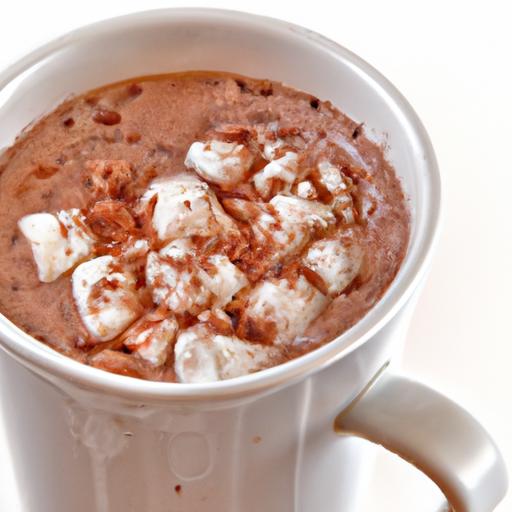
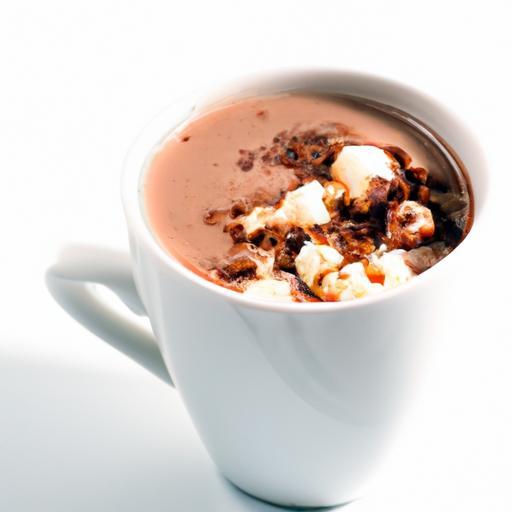
- Serve instantly: Pour the hot chocolate into your favorite mugs.Add your choice of optional toppings like a swirl of whipped cream,a handful of marshmallows,or even a cinnamon stick for a festive flair.
Tips for Success: Unlocking the Chemistry of Creamy Texture and Rich Flavor
- Choose quality cocoa: A high-quality, natural cocoa powder will provide a brighter chocolate flavor than dutched (alkalized) cocoa, which may mute aromas.
- Milk matters: Whole milk offers the richest mouthfeel, but creamy plant-based milks like oat or cashew can deliver an equally indulgent experience.
- Temper the chocolate: Chop the bittersweet chocolate finely so it melts evenly into the warm milk, preventing graininess.
- Don’t rush the whisking: whisk continuously when combining ingredients to aerate the drink slightly, adding a light, frothy top layer reminiscent of café-quality hot chocolate.
- Make ahead: Prepare the chocolate base (milk, cocoa, sugar) ahead of time and gently reheat before adding the bittersweet chocolate and vanilla to preserve freshness.
Choosing the Right Cocoa and Milk for Ultimate Comfort
Embrace experimentation with full-bodied cocoa powders and creamy milk choices to suit your personal palate. Milk alternatives, such as oat or almond varieties, bring unique sweetness and texture. Always warm your milk gently to prevent curdling or scorching-this is where the science of heat control ensures every cup is perfectly smooth.
Mastering Techniques to Create the Perfect Mug Every Time
From stirring technique to temperature control, each step in crafting your hot chocolate contributes to the magic of an irresistibly creamy cup. Gradually whisking dry ingredients into warm milk unlocks the rich cocoa’s full flavor, while the careful melting of bittersweet chocolate thickens the texture beautifully. top your creation with creative garnishes for a stunning presentation that feels like a warm hug in a mug.
Serving Suggestions
- Serve in pre-warmed mugs to keep your hot chocolate cozy and prevent fast cooling.
- Elevate presentation with a dollop of whipped cream crowned with dark chocolate shavings or a light dusting of cinnamon for subtle spice.
- Add a cinnamon stick or a few fresh mint leaves for aromatic embellishment and a festive touch.
- For an extra decadent treat, swirl in a teaspoon of peanut butter or a drizzle of caramel after pouring.
| Nutrient | Amount per Serving |
|---|---|
| Calories | 230 kcal |
| Protein | 7 g |
| Carbohydrates | 28 g |
| Fat | 10 g |
Explore more comforting drinks and desserts in our Warm Desserts and Cocoa Recipes collection.
For further past insight, visit the Smithsonian History of Hot Chocolate and deepen your thankfulness for this timeless treat.

Q&A
Q&A: The Cozy Science and History behind Perfect Hot Chocolate
Q: Why does hot chocolate feel so comforting on a chilly day?
A: Hot chocolate’s comforting magic stems from both science and sentiment. When you sip on a warm cup, your body’s temperature rises gently, activating the parasympathetic nervous system-your “rest and digest” mode-helping you relax. Plus, the smooth texture and sweet, cocoa-rich aroma trigger the release of endorphins and serotonin, often called the “feel-good” chemicals, wrapping you in an edible hug of happiness.
Q: What’s the historical origin of hot chocolate?
A: Hot chocolate’s story begins over 3,000 years ago with the ancient Olmecs of Mesoamerica, who are believed to be the first to cultivate cacao. The Mayans and Aztecs later brewed a frothy, bitter cacao concoction spiced with chili and sometimes cornmeal. this early “chocolate” was more a sacred elixir than a sweet treat, associated with rituals and royalty. It wasn’t until the 16th century, when European explorers encountered cacao, that sugar, milk, and vanilla transformed it into the luscious drink we savor today.
Q: What makes the perfect hot chocolate – the science behind the recipe?
A: The secret lies in balancing cocoa solids,fat,sugar,and liquid. Cocoa butter,the natural fat in cacao,creates the creamy mouthfeel that feels indulgent. Using whole milk or cream boosts richness thanks to their fat content. Stirring hot (not boiling) milk with good-quality cocoa powder ensures thorough dispersion of tiny cocoa particles, giving a smooth texture. Sugar, meanwhile, acts as a flavor balancer without overwhelming the natural chocolate bitterness. Heating too rapidly or past certain temperatures can cause the cocoa butter to separate, leading to grainy or greasy textures.
Q: Why is dark chocolate frequently enough preferred over milk chocolate for hot chocolate?
A: Dark chocolate, with its higher cocoa content, delivers intense, complex flavors – earthy, fruity, and slightly bitter – which harmonize beautifully in hot chocolate. Milk chocolate, containing more sugar and milk solids, tends to be sweeter and less robust, sometimes resulting in a cloying drink. Plus,dark chocolate’s antioxidants,like flavonoids,add a subtle health boost,turning indulgence into a wholesome ritual.
Q: Can you explain the science behind that luxurious froth on top?
A: Sure! Froth forms when air is incorporated into the liquid, creating tiny bubbles stabilized by proteins and fats in milk. Heating milk to around 140-150°F (60-65°C) unfolds milk proteins, especially whey, allowing them to surround and stabilize air bubbles. Skim milk foams easily but lacks creaminess, while whole milk yields a denser, velvety froth thanks to its fat content. In hot chocolate, that creamy froth elevates the sensory experience – soft, warm bubbles that playfully meet your tongue.
Q: Are there any cultural traditions connected to hot chocolate that influence how it’s made or enjoyed?
A: Absolutely! In mexico,hot chocolate is often blended with cinnamon and chili peppers,creating a spicy,aromatic experience echoing its ancestral roots. Italy’s “cioccolata calda” is thick and pudding-like, spooned slowly for maximum savoring. In Switzerland, it’s paired with whipped cream or a shot of coffee; while in Scandinavia, it’s common to enjoy hot chocolate alongside gingerbread cookies during the festive season. Each tradition layers local preferences and history, turning hot chocolate into a canvas of cultural warmth.
Q: What tips can home cooks use to make their hot chocolate extra perfect?
A: Start with high-quality cocoa or real chocolate – avoid mixes filled with additives. warm your milk gently to avoid scorching. Whisk continuously to break up cocoa lumps and build froth. Experiment with a pinch of salt or a dash of vanilla extract to deepen flavor. For an adult twist, try adding a splash of rum or espresso. And don’t forget that little extra love: cozy blankets, a favorite book, and slow, mindful sipping make the perfect cup of hot chocolate truly unforgettable.
Wrapping Up
As the last sip of your perfectly crafted hot chocolate warms your hands and heart, you’re not just indulging in a simple treat-you’re embracing centuries of careful science and rich history blended into one cozy cup. From the ancient cacao ceremonies of Mesoamerica to the meticulous temperature control of today’s baristas, every velvety drop tells a story of culture, chemistry, and comfort. So next time you wrap your fingers around that mug, remember: beneath the sweetness lies a world of revelation waiting to be savored, one flavorful sip at a time.