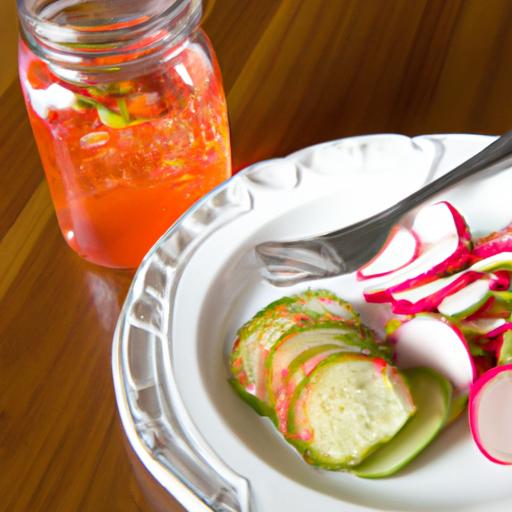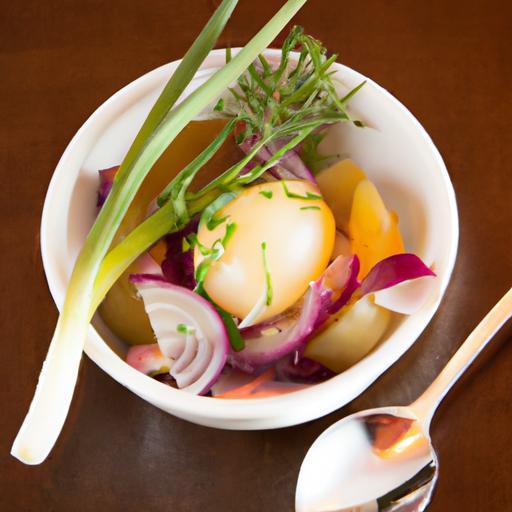
At the crossroads of history and flavour lies a humble ingredient that has dazzled palates for centuries: the pickled turnip. Far from the ordinary root vegetable resting quietly in the soil,the turnip transforms through time-honored pickling traditions into a vibrant,tangy delight that carries stories from bustling middle Eastern markets to rustic village kitchens. “Tangy Traditions: Exploring the Art of Pickled Turnips” invites you on a sensory journey into the alchemy of salt, vinegar, and patience-a craft that turns simple roots into crisp, colorful bursts of flavor. Discover how this modest preserve not onyl enhances dishes but also preserves cultural heritage, connecting generations through the artful balance of sour, spicy, and sweet. Join us as we unravel the secrets behind the pickled turnip’s enduring appeal and celebrate the vibrant tradition tucked within each crunchy bite.
Pickled turnips have long served as a vibrant culinary emblem of the Mediterranean and Middle Eastern tables, celebrated for their striking color and irresistibly tangy bite. Rooted deeply in local traditions, this pickled delight transcends simple preservation to become a cultural ritual that bridges generations. From the sun-baked olive groves of Lebanon to the bustling markets of Egypt, the art of pickled turnips weaves regional flavors together in crisp, briny harmony.
Mastering this recipe means unlocking the perfect balance between acidity and saltiness, ensuring every bite delivers that signature tang with a refreshing crunch. Infused with creative variations-from subtle spice blends to aromatic herbs-pickled turnips can be transformed into a stunning accompaniment or a flavorful centerpiece. Prepare to elevate your palate and your presentation with simple serving ideas that honor this zesty tradition.
Prep and Cook Time
- Readiness: 15 minutes
- Pickling & resting: 5-7 days
Yield
Approximately 4 cups of tangy pickled turnips, enough to serve 6 as a flavorful side or condiment.
Difficulty Level
Easy to Medium: No canning experiance required, but patience is key as the flavors develop over several days.
Ingredients
- 4 medium-sized turnips, peeled and cut into 1/2-inch sticks
- 3 cups water
- 2 cups distilled white vinegar
- 3 tablespoons kosher salt
- 2 tablespoons granulated sugar
- 3 cloves garlic, peeled and crushed
- 1 tablespoon whole black peppercorns
- 1 teaspoon coriander seeds
- 1 dried bay leaf
- Optional: 1-2 dried chili peppers for mild heat
- Optional: fresh sprigs of thyme or oregano for herbal undertones
- Natural horseradish root slices (for that vivid pink color and extra sharpness)
Instructions
- prepare the turnips: Peel the turnips thoroughly, then slice them into uniform sticks roughly 1/2-inch thick to ensure even pickling.
- Create the brine: In a saucepan, combine water, white vinegar, kosher salt, and sugar. Stir over medium heat until the salt and sugar fully dissolve. Remove from heat and let cool to room temperature.
- Sterilize your jar: Pour boiling water into your glass jar(s) to sterilize, then discard the water and dry the jar fully.
- Pack the jar: Place turnip sticks tightly but without crushing them inside the jar. Add garlic cloves, black peppercorns, coriander seeds, bay leaf, chili peppers (if using), herb sprigs, and horseradish slices, dispersing evenly.
- Pour the cooled brine: Cover the turnips completely with the brine. Use a clean fermentation weight or a small, sterilized glass to keep vegetables submerged beneath the liquid.
- Seal and store: Close the jar with a tight lid and store in a cool, dark place for at least 5 days. Check daily to ensure turnips remain submerged, gently pressing down if needed.
- Taste test & refrigerate: After 5 days, start tasting for your preferred tanginess and crunch. Once ready, move to the refrigerator and consume within 3 weeks for best flavor and texture.
Tips for Success
- Turnip selection: Fresh, firm turnips yield the best texture. Avoid any that appear soft or blemished.
- the horseradish trick: Adding slices of natural horseradish root not only imparts that classic pink hue but also gives an extra pungent edge.
- Balancing brine: Adjust the vinegar and salt ratio slightly to suit your palate-more vinegar for tang, a bit more salt for depth.
- Flavor infusions: Experiment by adding star anise, cumin seeds, or fresh dill for unique regional twists.
- Storage: Use sterilized glass jars to avoid contamination and keep pickled turnips fresh longer.
- Crunch retention: Shorter pickling time preserves crispness; longer pickling melts the texture but intensifies flavor.
Creative Serving Suggestions
Pickled turnips shine when paired thoughtfully. Add a dazzling pop of color and tangy crunch atop a falafel platter or nestled within shawarma wraps. For a Mediterranean mezze, serve alongside hummus, baba ganoush, and warm pita bread, garnished with a sprinkle of finely chopped fresh parsley and a drizzle of high-quality extra virgin olive oil.
They also make an irresistible accompaniment to grilled vegetables and legumes,or tucked into vibrant grain bowls for contrast. Garnish with toasted sesame seeds or crushed pistachios for an unexpected textural twist. For a creative snack, layer thes pickles with creamy labneh and fresh mint on crispy flatbreads-each bite a harmonious blend of sour, creamy, and crunchy.

| Nutrient | Per 1/4 Cup Serving |
|---|---|
| Calories | 15 |
| Protein | 0.5g |
| Carbohydrates | 3g |
| Fat | 0g |
| Sodium | 450mg |
For those curious about exploring other tangy favorites from the region, consider trying our detailed Pickled Eggplants Recipe, which pairs beautifully with these turnips. To deepen your knowledge of fermentation science and safe pickling practices, we recommend visiting The National centre for Home Food preservation.
Q&A
Q&A: Tangy Traditions – Exploring the Art of Pickled Turnips
Q1: What makes pickled turnips such a beloved tradition in culinary cultures?
A1: Pickled turnips boast a tangy crunch that transcends borders, offering a vibrant punch of flavor that complements everything from Middle Eastern shawarmas to Mediterranean mezze.Their enduring popularity stems from a perfect harmony of simplicity and zest-turnips transformed by time-honored brines into a crunchy, colorful festivity of preservation art.
Q2: How did the tradition of pickling turnips begin?
A2: The art of pickling turnips traces back centuries, rooted in ancient preservation techniques used to extend the life of roots through harsh winters.In regions like the Levant and North Africa, resourceful cooks elevated humble turnips by immersing them in salty, fragrant vinegar baths, creating a staple that melds practicality with vibrant flavor.Q3: What ingredients are essential in making authentic pickled turnips?
A3: At the core, you need fresh, firm turnips, coarse salt, white vinegar, and water. Many traditional recipes add beetroot for a pop of pink color and a subtle earthy sweetness, along with garlic cloves and sometimes crushed chili for warmth. The magic lies in the balance-saltiness, acidity, and a touch of spice-coming together to awaken the palate.Q4: Can you describe the pickling process?
A4: The process begins by slicing turnips into sticks or rounds,then salting them to draw out bitterness and excess moisture. After a few hours or overnight, the brine of vinegar, water, and any chosen seasonings is poured over the drained turnips. The jar is sealed and left to age,often in a cool,dark spot,allowing the flavors to deepen over days or weeks until the tangy crunch is perfectly achieved.
Q5: what makes pickled turnips a versatile ingredient in modern kitchens?
A5: Their luminous, acidic crunch enlivens dishes with instant zest and texture contrast.Use them as a palate cleanser alongside rich meats, a colorful garnish for sandwiches and falafel wraps, or diced into salads for an unexpected zing. Their ability to add brightness and a punch of umami makes pickled turnips an artisanal condiment with endless adaptability.
Q6: Are there regional variations in how pickled turnips are made?
A6: Absolutely! While the basic technique remains consistent, regional twists abound. In Lebanon and Syria, pink pickled turnips tinted by beets are common; in Egypt, a spicier brine with chili and more garlic prevails. Some Moroccan recipes incorporate fragrant spices like caraway or coriander. Each locale infuses the tradition with its own flavor identity, showcasing the turnip’s global appeal.
Q7: How can someone start experimenting with pickled turnips at home?
A7: Start simple-grab fresh turnips,salt,vinegar,and water. Slice, salt, rinse, then submerge in a vinegar brine with optional beets and garlic.Store the jar in a cool place and taste periodically.As you grow confident, try tweaking the spice levels or adding herbs to customize your own tangy tradition. Pickling is both a science and an art-embrace the process, the wait, and the delicious reward.
Q8: Why does the pickled turnip hold cultural meaning beyond its taste?
A8: More than a food,pickled turnips are a symbol of preservation-of community,heritage,and resourcefulness. They connect generations who relied on simple methods to extend seasonal abundance, embodying stories of resilience and celebration.Sharing pickled turnips is sharing a tangy legacy steeped in history and heart.
Closing Remarks
As we wrap up our journey through the vibrant world of pickled turnips, it’s clear that these tangy treasures are much more than a simple snack-they are a flavorful bridge connecting cultures, histories, and kitchens across the globe. From ancient preservation techniques to modern culinary twists, the art of pickling turnips embodies a delicate balance of tradition and creativity. So next time you encounter that bright burst of pink and zest, remember: your tasting a story centuries in the making, one crunchy bite at a time. Embrace the tang, explore the traditions, and let the humble pickled turnip inspire your own culinary adventures.