In the world of herbal infusions, few elixirs carry the aromatic charm and soothing legacy of anise tea. Steeped in centuries of tradition and fragrant with a sweet, licorice-like essence, this humble brew offers more than just a comforting sip-it unveils a tapestry of health benefits and cultural stories waiting to be discovered. From ancient remedies to modern wellness routines,anise tea invites us on a sensory journey where flavor meets function,and rituals of the past blend seamlessly with today’s quest for natural vitality. Join us as we unravel the secrets behind anise tea, exploring its origins, brewing customs, and the blossoming evidence that positions it as a timeless tonic for body and mind.
Anise tea unveils a captivating aromatic profile that speaks volumes of its ancient roots and enduring popularity. This distinctive herbal infusion, cherished across Mediterranean, Middle Eastern, and Asian cultures, draws you in with its licorice-like warmth and subtle sweetness. The fragrance alone evokes comforting memories-whether from cozy family gatherings, bustling markets, or soothing moments of self-care.Experience the sensual allure of anise tea as it gently embraces your senses and offers a ritual steeped in history and wellness.
Prep and Cook Time
- Readiness: 5 minutes
- Brewing: 7 minutes
- Total Time: 12 minutes
Yield
Serves 2 cups of fragrant anise tea
Difficulty Level
Easy – perfect for beginners and seasoned tea lovers alike
Ingredients
- 1 ½ teaspoons whole anise seeds (lightly crushed for maximum flavor)
- 2 cups filtered water
- 1 teaspoon raw honey or to taste (optional)
- 1 small cinnamon stick (optional, for a warm spice accent)
- 1 slice fresh lemon (for brightening the flavor)
Instructions
- Crush the anise seeds lightly using a mortar and pestle or the back of a spoon. This releases the essential oils without turning the seeds into a powder, resulting in a smoother infusion.
- Bring 2 cups of filtered water to a gentle boil in a small saucepan or kettle.
- Add the crushed anise seeds and the cinnamon stick to the boiling water. Immediatly reduce heat to low, covering the pot to trap the aromatic steam.
- Simmer gently for 5 to 7 minutes. This slow steep extracts a balanced, sweet, and slightly spicy flavor profile – avoid overboiling to prevent bitterness.
- Remove from heat and strain the tea through a fine mesh sieve into your favorite cups.
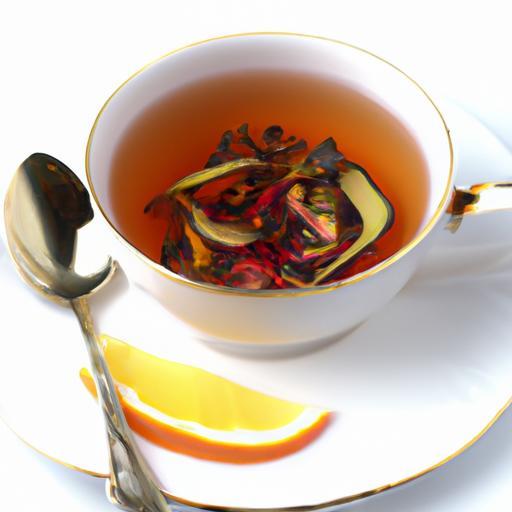
- Sweeten with raw honey if desired, stirring gently until dissolved. Add a fresh slice of lemon to each cup to enhance the brightness and complexity of the tea.
- Serve immediately while warm, inhaling the inviting aroma before sipping.
Tips for Success
- For a richer flavor: Toast the anise seeds lightly in a dry skillet over medium heat for 1-2 minutes before crushing.This step amplifies the nuttiness.
- alternative sweeteners: Try maple syrup or agave nectar for different layers of sweetness.
- Herbal blends: Combine anise seeds with fennel or peppermint for a soothing digestive blend.
- Make-ahead storage: Brew a larger batch and refrigerate in a sealed jar for up to 48 hours. reheat gently to preserve delicate aromas.
- Watch your brew time: Oversteeping can introduce bitterness; experiment within the 5-7 minute window to find your ideal balance.
Serving Suggestions
Enjoy this anise tea in delicate glass cups to truly appreciate its translucent golden hue. Garnish with a thin twist of lemon peel or a single star anise pod floating atop for a visually stunning presentation. This tea pairs beautifully with:
- Lightly spiced almond cookies or biscotti
- Fresh fruit platters featuring citrus and berries
- Nutty cheeses like aged asiago or pecorino (for those who enjoy savory pairings)
Serve alongside a cozy reading nook or an afternoon gathering to create moments of mindful indulgence.
Nutritional Details
| Nutrient | Per 1 Cup (240 ml) |
|---|---|
| Calories | 5 kcal |
| Protein | 0.1 g |
| Carbohydrates | 1.3 g (mostly from honey, optional) |
| Fat | 0 g |

Discover More
Explore related customary herbal infusions in our article Medicinal herbal Teas: A Guide to Flavor and Wellness. For detailed scientific insights on anise’s health benefits, visit NCBI – Anise and Its Therapeutic Properties.
Q&A
Q&A: Anise Tea Unveiled – Benefits and Brewing Traditions
Q1: what is anise tea, and where does it originate?
Anise tea is a fragrant herbal infusion made from the seeds of the anise plant (Pimpinella anisum), known for its sweet, licorice-like flavor. Its origins trace back to the Mediterranean and Middle Eastern regions,where it has been cherished for centuries both as a soothing beverage and a natural remedy.
Q2: What health benefits does drinking anise tea offer?
Anise tea is more than a comforting drink; it’s a natural wellness elixir. It’s famed for aiding digestion, alleviating bloating, and reducing gas. Additionally, anise contains compounds with mild anti-inflammatory and antimicrobial properties, making it supportive for respiratory health and immune function. Some even find it helpful for easing menstrual discomfort and promoting restful sleep.
Q3: How does the taste of anise tea compare to other herbal teas?
Imagine a blend of sweet licorice and subtle spice delicately swirling on your palate – that’s the hallmark of anise tea. Unlike chamomile’s floral notes or peppermint’s minty coolness, anise offers a uniquely warm, slightly spicy sweetness that can be both invigorating and calming.
Q4: Are there traditional rituals or cultures associated with brewing anise tea?
Absolutely! In many Mediterranean and Middle Eastern cultures, brewing anise tea is a cherished ritual. Seeds are often lightly crushed to release their aroma before steeping in hot water.The tea is enjoyed after meals to aid digestion, sometimes sweetened with honey or infused with complementary herbs like fennel or cinnamon to deepen its flavor and healing effects.
Q5: What’s the best method to brew the perfect cup of anise tea at home?
Begin by gently crushing one to two teaspoons of anise seeds to unlock their aromatic oils. Pour boiling water over the seeds and let steep for 5 to 10 minutes,depending on your preferred strength. Strain and sip slowly, allowing the warm, sweet essence to soothe your senses. For an extra touch, add a slice of lemon or a drizzle of honey.
Q6: Can anise tea be combined with other herbs or ingredients?
Yes! Blending anise tea with herbs like fennel, ginger, or chamomile can create harmonious flavor profiles and amplify therapeutic effects. Some cultures add star anise or cinnamon sticks for warmth and complexity, turning a simple tea into a sensory journey.
Q7: Are there any precautions to keep in mind when drinking anise tea?
While generally safe for most, anise tea should be consumed in moderation. Those allergic to plants in the Apiaceae family (such as celery or parsley) or pregnant women might want to consult healthcare providers before indulging. As with all herbal remedies, balance and awareness are key.
Q8: Why has anise tea endured through the ages?
Beyond its delightful flavor, anise tea’s enduring appeal lies in its versatile benefits and comforting tradition.It bridges the gap between ancient herbal wisdom and modern wellness, inviting each generation to discover its gentle magic – one aromatic sip at a time.
Key takeaways
As the aromatic steam of anise tea settles, so does a story steeped in centuries of tradition and wellness. From its soothing digestive properties to its whispered secrets in folklore, anise tea invites us to pause, savor, and reconnect with nature’s gentle remedies. Whether you brew it as a daily ritual or a momentary escape, this fragrant infusion offers more than taste-it offers a bridge between ancient practices and modern well-being. So next time you cradle a warm cup of anise tea, remember: you’re sipping not just a beverage, but a legacy brewed in every leaf and seed.