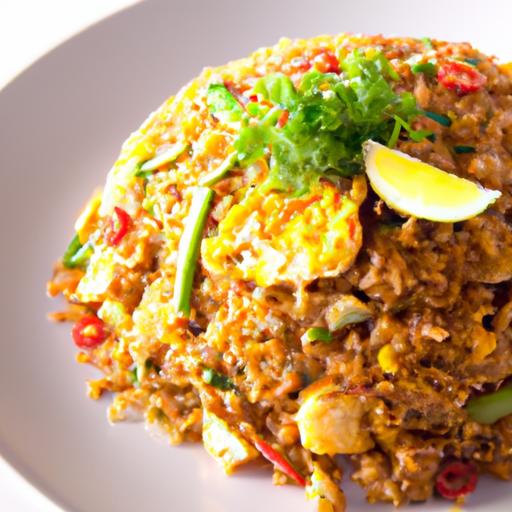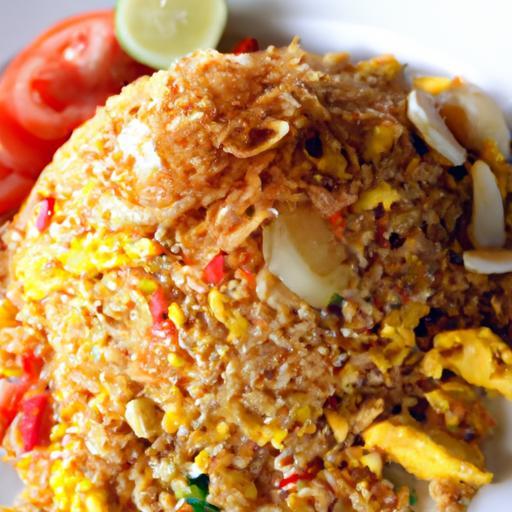
In the vibrant tapestry of Indonesian cuisine, few dishes capture the heart adn palate quite like Nasi Goreng. More than just fried rice, Nasi Goreng is a fragrant celebration of spices, tradition, and cultural heritage-a beloved comfort food that tells a story with every sizzling bite. From bustling street stalls to elegant dining tables, this savory, spiced rice dish transcends boundaries, inviting food lovers around the world to experience the rich aromas and bold flavors that define Indonesia’s culinary soul. Join us as we explore the origins, ingredients, and enduring appeal of Nasi Goreng: Indonesia’s beloved spiced fried rice delight.
Nasi Goreng is more than just Indonesia’s beloved spiced fried rice delight-it’s a vibrant culinary tapestry woven from rich history, regional traditions, and soulful flavors. Born from humble origins as a way to revive leftover rice, this iconic dish stands proudly as a symbol of Indonesian hospitality and ingenuity, celebrated at street stalls and fine dining tables alike. With its irresistible blend of fragrant spices, sweet and savory layers, and colorful accompaniments, mastering Nasi Goreng invites you to embark on a journey through indonesia’s diverse palate and cultures.
Exploring Key Ingredients and traditional Spices That Define the Dish
Authentic nasi Goreng hinges on a few essential ingredients that harmonize into an unforgettable flavor profile.Central to the dish is day-old cooked rice, wich boasts the perfect texture to achieve that coveted slightly crispy finish. The soul of the recipe lies in the aromatic paste of shallots, garlic, and red chilies, often enriched with sweet soy sauce (kecap manis)-a thick, molasses-like soy sauce lending depth and a subtle caramel sweetness. Dried shrimp paste (terasi) adds umami pungency, while a sprinkle of freshly ground white pepper brightens the dish with gentle heat. Many versions include egg, chicken, or prawns, but the magic lies in balance rather than complexity.
Prep and Cook Time
- Preparation: 15 minutes
- Cooking: 15 minutes
- Total Time: 30 minutes
Yield
- Serves 4
difficulty Level
- Easy to Medium – perfect for home cooks craving authentic Asian flavors with minimal fuss
Ingredients
- 4 cups cooked day-old jasmine or medium-grain rice, chilled
- 3 tablespoons vegetable oil, divided
- 4 shallots, thinly sliced
- 3 cloves garlic, minced
- 2 red bird’s eye chilies, finely chopped (adjust to heat preference)
- 1 tablespoon dried shrimp paste (terasi), toasted and crushed
- 2 teaspoons sweet soy sauce (kecap manis)
- 1 teaspoon soy sauce (light)
- 1/2 teaspoon freshly ground white pepper
- 2 eggs, lightly beaten
- 150g peeled shrimp or diced chicken breast (optional)
- 2 scallions, sliced diagonally
- 1 small carrot, julienned (optional)
- Salt to taste
- Lime wedges, for serving
Step by Step Guide to Crafting Authentic Indonesian nasi Goreng at Home
- Prepare your rice: Use rice that has been cooked and cooled overnight; this prevents clumping and ensures a fluffy, separated texture in the final dish.
- Make the spice paste: Heat 2 tablespoons of vegetable oil in a wok or large skillet over medium heat. Add sliced shallots, minced garlic, chopped chilies, and toasted shrimp paste.Sauté until fragrant and golden brown, about 5 minutes, stirring constantly to prevent burning.
- Cook the protein: Add shrimp or chicken to the pan. Stir-fry until just cooked through, approximately 3-4 minutes. Remove from pan and set aside.
- Scramble the eggs: Add remaining 1 tablespoon oil to the wok. Pour in the beaten eggs and gently scramble until just set but still moist. Push the eggs to one side of the wok.
- Combine rice and flavors: Add the chilled rice to the pan along with sweet soy sauce, light soy sauce, and white pepper. Toss vigorously to evenly coat rice with the spice mixture.
- return protein and add veggies: Mix in cooked shrimp/chicken, scallions, and julienned carrot. Stir-fry for another 2-3 minutes, allowing the flavors to meld and the rice to heat through. taste and adjust salt or soy sauce as needed.
- Serve instantly: Transfer to warm plates or bowls for the best experience.
Chef’s Notes: Tips for Success
- Rice texture is key: Using older rice dries out the grains naturally and yields the perfect non-mushy Nasi Goreng. Fresh rice is too moist and can result in clumping.
- Customize your heat level: Bird’s eye chilies provide authentic heat, but you can replace them with milder red chilies if preferred.
- Kecap manis is irreplaceable: This sweet soy sauce is the heart of the unique flavor-substituting with regular soy sauce will lose the signature caramel undertone.
- Add crunch and freshness: Top with crispy fried shallots and fresh cucumber slices for texture contrast.
- Make-ahead option: Prepare the spice paste and cooked protein a day ahead; store separately and assemble quickly before serving.
Pairing Suggestions and Serving Tips to Elevate Your Nasi Goreng Experience
Present your Nasi goreng with vibrant garnishes like a perfectly fried sunny-side-up egg, crisp cucumber slices, lime wedges, and a sprinkle of chopped fresh cilantro or kaffir lime leaves.The egg yolk adds luscious creaminess, while lime juice injects a fresh tang that balances the sweet and spicy elements. Complement with traditional side dishes such as Indonesian chicken satay or a bowl of Gado-Gado salad to enrich the meal with fresh,bold textures.
For beverages, iced jasmine tea or a light coconut water pairs beautifully, cleansing the palate between bites and amplifying the dish’s aromatic charm.

| Nutrient | Per Serving |
|---|---|
| Calories | 420 kcal |
| Protein | 22 g |
| Carbohydrates | 58 g |
| Fat | 12 g |
Q&A
Q&A: Nasi Goreng – Indonesia’s Beloved Spiced Fried Rice Delight
Q1: What exactly is Nasi Goreng?
A1: Nasi Goreng literally means “fried rice” in Indonesian, but it’s far more than just plain rice stir-fried with a few ingredients. This iconic dish is a flavorful medley of fragrant spices, sweet soy sauce, garlic, shallots, and chili, frequently enough crowned with a fried egg or crispy krupuk (shrimp crackers). It’s indonesia’s culinary love letter to rice, transforming humble leftovers into a mouthwatering masterpiece.
Q2: How did Nasi Goreng become such a beloved staple in Indonesia?
A2: Rice is a cornerstone of Indonesian cuisine, and Nasi Goreng developed from the creative need to reinvent leftover rice into a new meal. Over centuries, it absorbed influences from Chinese stir-fry techniques and indigenous Indonesian spices, evolving into a versatile dish enjoyed across the archipelago.its popularity soared because it’s quick, tasty, and endlessly adaptable-perfect for any time of day.
Q3: What makes Nasi Goreng different from other fried rice dishes?
A3: While many countries have fried rice, Nasi Goreng stands out because of its distinctive seasoning blend. the hallmark is kecap manis, a thick, sweet soy sauce that imparts a caramelized depth, balanced by a spicy kick from sambal chili paste. The use of aromatic ingredients like kaffir lime leaves and shrimp paste adds layers of uniquely Indonesian flavor, giving it a complexity and warmth you won’t find anywhere else.
Q4: Are there regional variations of Nasi Goreng within Indonesia?
A4: Absolutely! Each island and even neighborhood puts its spin on Nasi Goreng. For instance, Nasi Goreng Jawa is typically sweeter, influenced by javanese tastes, while nasi Goreng Aceh might be fiery and rich with curry spices. Coastal areas might add fresh seafood,while others incorporate chicken,beef,or even vegetarian ingredients. This diversity reflects Indonesia’s rich cultural tapestry.
Q5: Can Nasi Goreng be considered a street food or a home-cooked comfort meal?
A5: Both! Nasi Goreng is Indonesia’s ultimate culinary chameleon. You’ll find it sizzling from street carts at dawn and dusk, served with a side of pickles and a fried egg. At the same time, it’s a beloved dish cooked lovingly at home, often customized with family-favorite ingredients. Its dual identity makes it accessible, comforting, and eternally satisfying.
Q6: How can someone outside Indonesia try to make authentic Nasi Goreng at home?
A6: The key to authentic Nasi Goreng is time-tested ingredients and technique. Start with day-old jasmine rice for the perfect texture, use kecap manis for that signature sweetness, and don’t skip the sambal for heat. Stir-fry with garlic, shallots, and a protein of your choice.Top it with a sunny-side-up egg and some crunchy crackers if you have them. With a little love and these essentials, your kitchen can transport you straight to the bustling streets of Jakarta.
Q7: Why does Nasi Goreng hold such a special place in Indonesian culture?
A7: Nasi Goreng is more than food-it’s a symbol of unity, comfort, and Indonesia’s rich heritage all tossed into one pan. it brings people together,transcending regional differences,and is often associated with happy memories,celebrations,and daily life. In every bite, there’s a story of tradition, creativity, and the warmth of home that continues to thrive with each generation.
Concluding remarks
As the fragrant aroma of kecap manis and toasted shallots lingers in the air, Nasi goreng stands as more than just a dish-it is a vibrant tapestry woven from Indonesia’s rich culinary heritage. Each spoonful tells a story of sizzling street markets, family gatherings, and the joyful embrace of bold, harmonious spices. Whether enjoyed as a humble breakfast or a festive dinner,this beloved spiced fried rice continues to capture hearts both within and beyond Indonesia’s shores. So next time you crave a meal that’s bursting with flavor and history, remember: Nasi Goreng isn’t just food-it’s an invitation to experience the soul of Indonesia on your plate.