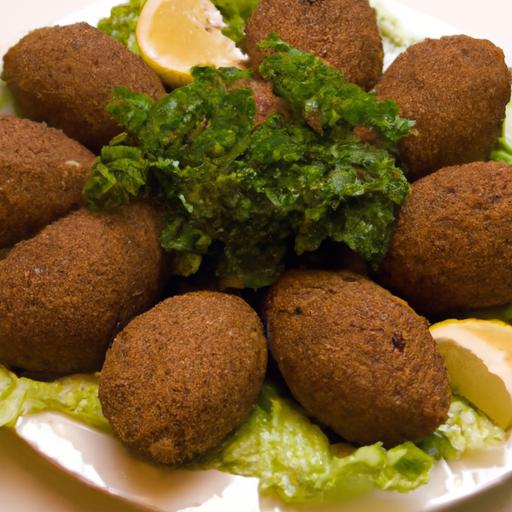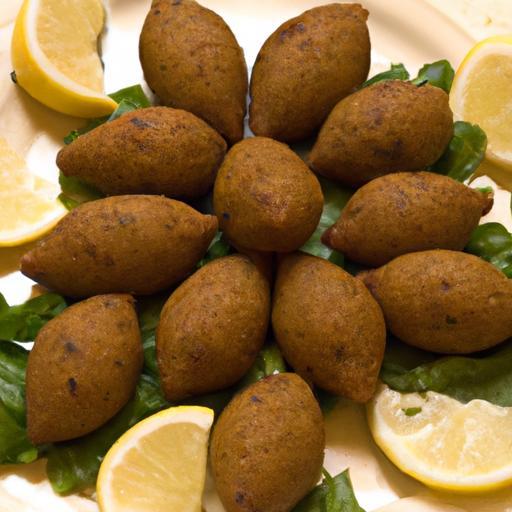
Nestled within the rich tapestry of Lebanese cuisine lies a dish that embodies both tradition and comforting warmth: Kibbeh Labanieh. This savory delicacy, where tender meat-filled bulgur dumplings swim gracefully in a tangy yogurt sauce, invites food lovers on a sensory journey through the heart of Lebanon’s culinary heritage. More than just a meal,Kibbeh Labanieh tells a story of home-cooked love,regional flavors,and centuries-old techniques passed down through generations. In this article, we’ll explore the origins, ingredients, and cultural importance of Kibbeh labanieh, uncovering why it remains a beloved staple on Lebanese tables around the world.
Origins and Cultural Significance of Kibbeh Labanieh
Kibbeh Labanieh is a quintessential dish that wonderfully embodies the soul of Lebanese cuisine, renowned for its harmonious blend of flavors and comforting textures. Rooted deeply in Levantine culinary heritage, this dish is celebrated not only for its delicious taste but also for its role in family gatherings and festive occasions across Lebanon. At its heart, Kibbeh labanieh reflects a culinary tradition passed down through generations, showcasing the artistry of transforming simple ingredients like bulgur wheat, spiced meat, and yogurt into a delicacy that warms both body and spirit.
The dish’s significance extends beyond the table; it symbolizes hospitality, unity, and the reverence for patience and care in cooking. each region of Lebanon adds its subtle nuance, whether in the choice of spices or the thickness of the labanieh sauce, making every experience unique. For many, Kibbeh Labanieh is a nostalgic taste of home, evoking memories of communal kitchens and the aromatic embrace of simmering yogurt infused with garlic and mint.
Crafting the Perfect Kibbeh Mixture: Ingredients and Techniques
Mastering the Kibbeh Labanieh mixture is the key to unlocking the dish’s full potential. The foundation is fine bulgur wheat, soaked until soft yet slightly chewy, perfectly balanced with freshly ground lean beef or lamb for richness and depth. The addition of onions, allspice, cinnamon, and pine nuts brings warmth and texture, elevating the experience from simple to sublime.
When preparing the Kibbeh dough, it’s essential to achieve the right consistency. The mixture should be smooth and pliable, not dry or crumbly, to form the signature oval shapes without cracking. Using a food processor helps marry the ingredients seamlessly, grinding meat and bulgur into a tender paste.An expert tip is chilling the dough before shaping; it firms up the mixture, making it easier to handle and enhancing the final texture after cooking.
Ingredients for the Kibbeh Mixture
- 1 cup fine bulgur wheat, rinsed and soaked in cold water for 30 minutes
- 250g lean ground beef or lamb
- 1 small onion, finely grated
- 1 tsp ground allspice
- 1/2 tsp ground cinnamon
- 1/2 tsp salt
- 1/4 tsp black pepper
- 2 tbsp pine nuts, toasted
- ice water, as needed
Simmering in Tradition: Mastering the Labanieh Sauce
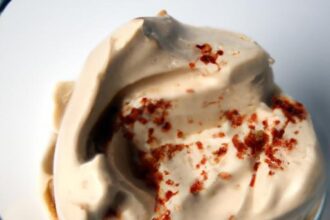
The magic of Kibbeh Labanieh comes alive in its Labanieh sauce – a luscious, tangy yogurt broth infused with garlic, lemon, and fresh mint that gently cradles each Kibbeh. crafting this sauce requires patience to balance acidity and creaminess,allowing the natural tartness of yogurt to marry with herbal freshness. Traditionally, the yogurt used is strained and thick, lending a silky texture that prevents curdling when simmered.
To prevent the Labanieh sauce from separating, it’s critical to temper the yogurt with a bit of starch or cornstarch dissolved in water, and to maintain a low, steady heat throughout simmering. Garlic and mint add aromatic layers, while the subtle lemon juice brightens the dish, creating a sauce that is both soothing and vibrant. Simmering the Kibbeh gently in this sauce intensifies the flavors, creating a remarkable balance of savory meat and tangy richness that lingers delightfully.
Ingredients for the Labanieh Sauce
- 500g thick plain yogurt, well strained
- 2 cloves garlic, minced
- 1 tbsp fresh lemon juice
- 1 tsp cornstarch, dissolved in 2 tbsp cold water
- 1 tsp salt
- 5 fresh mint leaves, bruised
- 1 cup water or vegetable broth
serving Suggestions and Pairings to Elevate yoru Kibbeh Experience
When it comes to enjoying kibbeh Labanieh, presentation and accompaniments play a pivotal role in elevating the sensory journey. Serve the steaming hot Kibbeh, nestled luxuriantly in the fragrant Labanieh sauce, garnished with freshly chopped parsley and a sprinkle of toasted pine nuts for visual appeal and added crunch. A drizzle of high-quality olive oil enhances the dish’s silky texture and adds a fruity aroma.
A side of fluffy steamed rice or warm lebanese flatbreads like pita creates a perfect vehicle to savor every luscious bite. Fresh salads such as tabbouleh or crisp fattoush bring bright, herbaceous notes that contrast beautifully with the warm, creamy main. For an extra touch, offer a small bowl of pickled vegetables that add a delightful tangy crunch, balancing the rich flavors harmoniously.
Prep and Cook Time
- Preparation Time: 45 minutes
- Cooking Time: 40 minutes
- Total Time: 1 hour 25 minutes
Yield
Serves 4 to 6 hearty portions
Difficulty Level
Medium – Requires patience for shaping and simmering but approachable with attention to detail
Step-by-Step Instructions
- Prepare the bulgur: Drain soaked bulgur thoroughly, squeezing out excess water, then pulse in a food processor until fine but not mushy.
- Combine ingredients: Add ground meat, grated onion, allspice, cinnamon, salt, and pepper to the bulgur. Blend until a smooth dough forms,adding chilled water by tablespoon if needed for pliability.
- Toast pine nuts: Heat a dry skillet and toast pine nuts until golden, then set aside.
- Shape the Kibbeh: Wet your hands,take a small portion of the mixture,and form into oval shapes roughly the size of a small egg. Press gently to create a cavity inside and fill with a small pinch of pine nuts, then seal tightly.
- Prepare Labanieh sauce: In a saucepan, whisk strained yogurt with cornstarch mixture, add water or broth, salt, minced garlic, and lemon juice.
- Cook sauce carefully: Heat over low heat, stirring often until the sauce slightly thickens but does not boil vigorously, preventing curdling.
- Add Kibbeh to sauce: Gently submerge the Kibbeh in the simmering sauce, cover, and cook for 30-35 minutes until the meat is cooked and the sauce is infused.
- Finish with mint: Add bruised mint leaves 5 minutes before removing from heat. Discard before serving or use as garnish.
- Serve immediately: Plate with fresh parsley, extra pine nuts, and optional olive oil drizzle. Accompany with warm bread or rice.
Chef’s Notes & Tips for Success
- For a more tender Kibbeh dough, pulse the meat and bulgur mixture several times rather than continuous blending to avoid overheating.
- If strained yogurt isn’t available, you can strain Greek yogurt through cheesecloth overnight to achieve the right consistency.
- Maintain the sauce’s gentle simmer to keep it smooth – avoid boiling or rapid heat.
- Labanieh sauce can be prepared a day ahead to deepen flavors, just reheat gently before adding Kibbeh.
- For a vegetarian variation,substitute meat with finely mashed cooked chickpeas mixed with sautéed onions and walnuts.
Serving Suggestions
- Garnish with fresh chopped parsley and toasted pine nuts for visual and textural delight.
- Serve alongside Lebanese flatbread or fluffy rice pilaf.
- Pair with crisp, bright salads like tabbouleh for refreshing contrast.
- Add a side of pickled turnips or cucumbers for a tangy balance.
- Complement with a cold glass of fresh mint lemonade.
| Nutrient | per Serving |
|---|---|
| Calories | 320 kcal |
| protein | 22 g |
| Carbohydrates | 18 g |
| Fat | 15 g |

Discover more authentic Lebanese flavors and techniques on our Lebanese cuisine basics guide. To understand more about yogurt’s role in Mediterranean diets, visit WHO nutrition facts.
Q&A
Q&A: Kibbeh Labanieh – A Savory journey into Lebanese Cuisine
Q1: What exactly is Kibbeh Labanieh?
A1: Kibbeh Labanieh is a customary Lebanese dish that beautifully marries the rich flavors of spiced meat with the tangy warmth of yogurt sauce. At its core, it’s made of bulgur wheat and ground meat (usually lamb or beef) formed into oval-shaped dumplings, then lovingly cooked in a velvety labneh (strained yogurt) sauce. The result is a comforting, savory dish that captures the essence of Lebanese home cooking.
Q2: How does Kibbeh labanieh differ from other types of kibbeh?
A2: While kibbeh comes in many forms-fried, baked, raw-Kibbeh Labanieh is distinctive for its bathing in a yogurt-based sauce rather than being fried or served dry. The labneh sauce adds a tangy, creamy dimension that transforms the dish from a simple meat parcel into a luscious stew-like experience, highlighting Lebanon’s love for layering flavors and textures.
Q3: What ingredients are essential to making an authentic Kibbeh Labanieh?
A3: Apart from the core bulgur wheat and ground meat mixture, the magic lies in fresh herbs like mint and parsley, warm spices such as cinnamon and allspice, and the yogurt sauce enriched with garlic and sometimes a hint of lemon.The yogurt used is typically labneh-thicker and creamier than regular yogurt-offering that signature tang and silkiness.
Q4: Can Kibbeh Labanieh be served as a main dish or is it more of a side?
A4: Traditionally, Kibbeh Labanieh is a hearty main course.Its rich meat filling and tangy yogurt make it satisfyingly considerable,perfect for a family meal or special occasion. It pairs wonderfully with simple sides like Arabic flatbread, fresh salads, or rice pilaf to soak up every drop of sauce.
Q5: What cultural significance does Kibbeh Labanieh hold in Lebanese cuisine?
A5: Beyond its delicious taste, Kibbeh Labanieh embodies Lebanese hospitality and culinary heritage. It’s often prepared during gatherings and celebrations, symbolizing comfort and generosity. The dish reflects Lebanon’s melding of Mediterranean influences, showcasing how humble ingredients can be elevated into something truly memorable.
Q6: Are there any tips for cooking Kibbeh Labanieh successfully at home?
A6: Absolutely! The key is balancing moisture in the kibbeh mixture so the dumplings hold their shape but stay tender once cooked. When simmering in the yogurt sauce, gentle heat is crucial to prevent curdling. Also, fresh herbs and quality labneh make all the difference in authenticity and flavor depth.
Q7: how can someone new to Lebanese cuisine best enjoy kibbeh Labanieh?
A7: Approach it with an open palate and a sense of adventure. serve it with warm pita to scoop up the yogurt sauce and perhaps a side of tangy pickled vegetables or a crisp fattoush salad. Each bite offers a layered experience-earthy, savory, creamy, and refreshingly vibrant-a perfect introduction to Lebanon’s culinary treasures.
Kibbeh labanieh isn’t just food; it’s a story on a plate-where tradition, flavor, and love converge into a comforting Lebanese classic. ready your forks and dive in!
Closing Remarks
As we conclude this savory exploration of Kibbeh Labanieh, it becomes clear that this dish is far more than a humble recipe-it’s a vibrant thread woven into the rich tapestry of Lebanese culinary heritage. Each tender meatball, gently embraced by tangy yogurt sauce, tells a story of tradition, community, and the timeless art of flavor. Whether your a seasoned gastronome or a curious newcomer, embracing Kibbeh Labanieh invites you to savor not just a meal, but a journey into the heart of Lebanon’s kitchen, where history and taste unite in every bite. So next time you seek a dish that comforts the soul while celebrating culture, let Kibbeh Labanieh be your delicious guide.