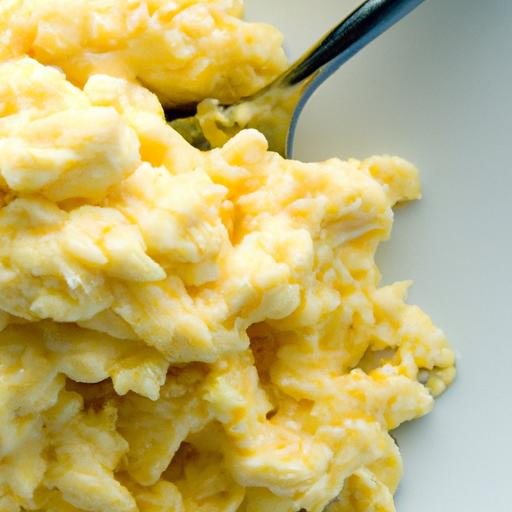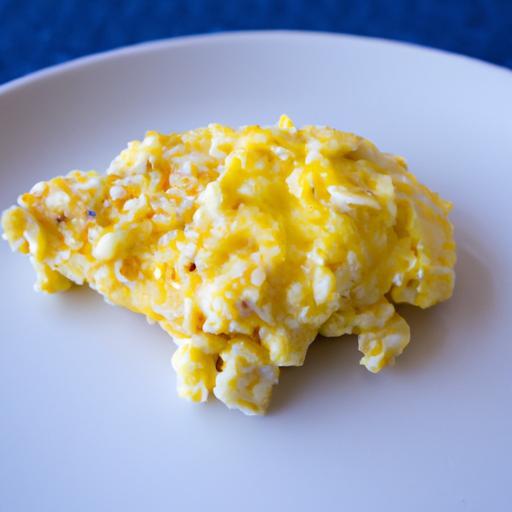
There’s something undeniably comforting about a plate of classic American scrambled eggs-those soft, fluffy curds that melt effortlessly on your tongue, turning a simple breakfast into a moment of pure satisfaction. But achieving that hallmark fluffiness without dryness or rubbery edges can be surprisingly elusive. In “Fluffy Perfection: Mastering Classic American Scrambled Eggs,” we’ll crack open the secrets behind this humble dish, exploring the science and technique that transform ordinary eggs into a luscious morning masterpiece.Whether you’re a kitchen novice or a seasoned chef, prepare to elevate your scramble to new heights of creamy, cloud-like delight.
Understanding the science Behind Fluffy Scrambled Eggs
Fluffy perfection starts with unlocking the magic of eggs at a molecular level. When eggs are gently whisked, they incorporate air bubbles that expand during cooking, creating that coveted light texture. The proteins in eggs naturally coagulate as heat is applied,setting a delicate structure. Though, overcooking squeezes out moisture, resulting in rubbery eggs. The key lies in controlling the temperature and timing to achieve those cloud-like curds.
choosing the Right Ingredients for Creamy Texture and Rich Flavour
Quality and freshness matter immensely. Using large,farm-fresh eggs naturally enriches flavor and provides a sturdier structure for fluffiness. Adding a small amount of whole milk or cream introduces fat and moisture, crucial for a creamy mouthfeel and silkiness.A pinch of kosher salt before cooking enhances flavor without drawing out moisture prematurely. Butter is the classic fat choice to gently coat proteins and add nuanced richness. Avoid oil as it can make the texture less tender.
Step-by-Step Techniques to Achieve Light and Airy Scrambles
The secret lies in gentle cooking. Start by whisking eggs vigorously until pale yellow and slightly frothy-this aeration infuses fluffiness. Melt butter over low heat to prevent browning, then pour in the eggs. Stir slowly but continuously with a silicone spatula, scraping the pan bottom to form soft curds that remain moist inside. Remove from heat just before fully set as residual heat finishes cooking.This method creates tender, cloud-soft scrambled eggs that are pure joy on the plate.
Expert Tips for Perfecting Temperature and Timing Every Time
- Low and slow is your mantra: Keep your stovetop on low heat to avoid toughening proteins.
- Use a heavy-bottomed non-stick pan: Ensures even heat distribution and easy cleanup.
- Constant stirring: Encourages small curd formation and prevents sticking or burning.
- Pull before fully done: Eggs continue to cook in residual heat, preserving moisture.
- Rest momentarily: Let your eggs sit for 30 seconds off heat to set perfectly before serving.
Mastering these steps will transform your scrambled eggs into a fluffy, creamy indulgence every time, embodying the essence of classic american breakfast comfort.

Q&A
Q&A: Fluffy Perfection – Mastering Classic American Scrambled Eggs
Q1: What makes classic American scrambled eggs different from other styles?
A1: Classic American scrambled eggs are all about that tender, fluffy texture with a creamy finish. Unlike the firm, well-cooked curds of French-style scrambled eggs or the runny silkiness of Mexican huevos, American scrambled eggs strike a balance-they’re softly set but light, with just enough moisture to feel indulgent without being wet.
Q2: Why is achieving fluffiness such a big deal in scrambled eggs?
A2: Fluffiness transforms scrambled eggs from ordinary into extraordinary. It’s the satisfied springiness and airy lightness that make each bite melt effortlessly on your tongue. This texture is a combination of gently beaten eggs, the right cooking method, and careful temperature control, all working in harmony to trap tiny air bubbles inside.
Q3: What’s the secret technique to getting those perfect fluffy curds?
A3: The magic lies in low and slow cooking combined with constant gentle stirring. Start by whisking your eggs vigorously to incorporate air, then pour them into a warm (not hot) pan. Use a spatula to slowly and continuously fold the eggs over themselves, coaxing delicate curds to form without overcooking. This careful coaxing prevents them from becoming rubbery or dry.
Q4: Should you add milk, cream, or water to the eggs before cooking?
A4: This is a classic debate! Adding a splash of milk or cream can lend richness and a silkier mouthfeel, while a bit of water helps generate steam during cooking, promoting lightness. However, purists argue that perfectly whisked eggs alone, cooked gently, achieve fluffiness best. Ultimately, it’s your taste-experiment to find what fluffy means for you!
Q5: How critically important is the type of pan and fat used?
A5: Very important! A nonstick skillet or a well-seasoned cast iron pan ensures the eggs don’t cling or overcook unevenly.Butter is the traditional fat of choice, lending a subtle sweetness and helping to achieve a glossy finish. Avoid oils with strong flavors that can overpower the delicate egg taste.
Q6: Can I season scrambled eggs before cooking?
A6: Salt draws out moisture and can break down eggs if added too early, so it’s best to season lightly after cooking or just before you finish. Pepper, herbs, or cheese can be added toward the end for bursts of flavor without compromising texture.
Q7: Any tips for serving and pairing classic scrambled eggs?
A7: Serve instantly, straight from pan to plate, while warm and fluffy. Pair with crispy bacon, buttered toast, or fresh fruit to balance the richness. A dash of hot sauce or a sprinkle of chives can elevate the experience. Remember, the joy is in the simplicity-letting those fluffy curds shine front and center.
Q8: Why bother mastering classic American scrambled eggs?
A8: As scrambled eggs are the ultimate comfort food and breakfast staple. Mastering the technique means you can whip up a nourishing,satisfying meal any morning,impress guests with seemingly effortless finesse,and elevate a humble ingredient into a morning masterpiece. Fluffy perfection is within your reach-one gentle fold at a time!
The Conclusion
As the golden curds of your perfectly scrambled eggs settle onto your plate, you’re not just enjoying a simple breakfast-you’re celebrating a culinary tradition perfected through technique and patience. Mastering classic American scrambled eggs is an art that transforms humble ingredients into a fluffy, comforting masterpiece with every gentle fold and careful stir. So next time you whisk, heat, and season, remember: it’s not just about the eggs themselves, but the love and attention that turns them into fluffy perfection. Here’s to countless mornings filled with creamy delights and the satisfying joy that only a well-crafted scramble can bring.