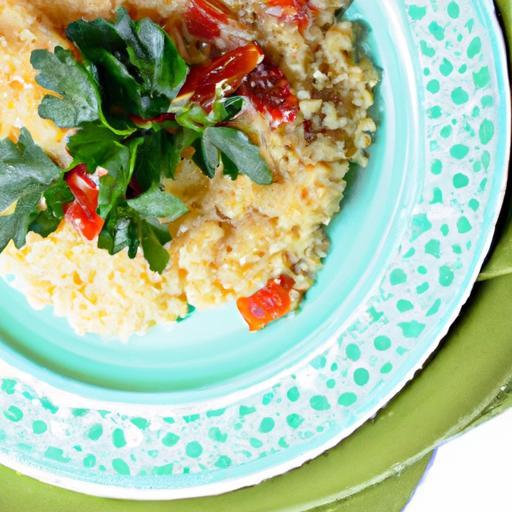
there’s something almost magical about a bowl of perfectly cooked couscous-each tiny grain light, fluffy, and separate, ready to soak up every flavor you dream of. Yet,achieving that ideal texture frequently enough feels elusive,tangled between soggy clumps and undercooked crunch.Whether you’re a kitchen novice or a seasoned cook looking to elevate your grain game, mastering couscous is a skill that transforms simple meals into vibrant, satisfying dishes.In this article,we’ll unravel the secrets behind those perfectly tender,fluffy grains with easy,foolproof steps that anyone can follow. Get ready to turn humble couscous into a star ingredient on your dinner table.
mastering Couscous means understanding the subtle art of working with different varieties to achieve those perfectly separate, fluffy grains that elevate every dish. From the delicate small pearls of Moroccan couscous to the tender,larger beads of Israeli (Pearl) couscous,each variety brings its own unique texture and culinary charm. Choosing the right type is the first step towards mastering this versatile staple.
Choosing the Right Couscous Variety for Fluffy results
For true fluffy couscous, start with fine Moroccan couscous-its tiny granules absorb moisture quickly and react beautifully to steaming and fluffing techniques. If you prefer a more considerable bite with a slightly chewy texture, the larger-grained Israeli couscous is your go-to option. Meanwhile, lebanese couscous is somewhere in-between, perfect for salads or as a hearty base. selecting your couscous according to your desired texture sets the stage for a flawless finish.
hydrating Techniques That Transform your Couscous Texture
The secret to light,fluffy couscous is how you hydrate it. Start by bringing savory broth, gently salted water, or aromatic infused liquid to a boil. Pour it evenly over the couscous in a heatproof bowl, then cover immediately with a lid or tightly sealed plate. Let it rest undisturbed for about 5 to 7 minutes. This method allows the grains to absorb liquid evenly without becoming sticky or gummy.
For an added layer of tenderness, some cooks gently steam the couscous twice-onc pre-soaked and once after fluffing-to separate the grains even further. You can replicate this at home using a fine sieve or a traditional couscoussier. avoid stirring while it’s hydrating as this encourages clumping and mushiness.
Fluffing and Seasoning Tips to Enhance Every Grain
Once your couscous has soaked, it’s time to awaken the grains. Using a fork or a special couscous whisk, gently fluff the grains apart. This lifts trapped steam, revealing a cloud of light, separated beads. Add a drizzle of extra virgin olive oil or a small knob of butter at this stage to enhance the texture and mouthfeel.
Seasoning is just as vital-sprinkle in fresh herbs like cilantro,parsley,or mint,a pinch of ground cumin,or warm spices like smoked paprika to complement the couscous’ subtle flavor. For a zesty twist, toss in a squeeze of lemon juice or a handful of toasted nuts and dried fruits, adding bursts of taste and color that stimulate the palate.
Creative Serving Ideas to Elevate Your Couscous dish
Couscous isn’t just a side-it’s a canvas. For an inviting presentation, mound fluffy couscous on a wide plate and crown it with colorful roasted vegetables, spiced chickpeas, or grilled halloumi for a delightful Mediterranean feast. Garnish with pomegranate seeds or slivered almonds for visual sparkle and textural contrast.
Transform couscous into a vibrant salad by folding in diced cucumber, cherry tomatoes, chopped olives, fresh herbs, and a light lemon vinaigrette. Serve warm or chilled, this fresh take pairs wonderfully with grilled meats or as a stand-alone vegetarian option.
For a cozy dinner, scoop couscous into a bowl and ladle fragrant stews or tagines over the top, allowing the couscous to soak up rich, spiced sauces beautifully.
Prep and Cook Time
- Readiness: 5 minutes
- Cooking: 10 minutes
- Total Time: 15 minutes
Yield
- Serves 4 as a side dish
Difficulty Level
- Easy
Ingredients
- 1 cup Moroccan couscous
- 1 cup vegetable broth (or water with ½ tsp salt)
- 2 tbsp extra virgin olive oil
- ½ tsp ground cumin
- Fresh parsley, chopped (2 tbsp)
- 1 tbsp fresh lemon juice
- Salt and pepper to taste
Instructions
- Heat the broth in a small saucepan until it just begins to boil.
- Place couscous in a heatproof bowl and pour the hot broth over it evenly.
- Cover immediately with a tight-fitting lid or plate and let sit undisturbed for 7 minutes.
- After resting, drizzle olive oil over the couscous. Gently fluff with a fork, separating the grains without smashing them.
- Stir in cumin, lemon juice, parsley, then season with salt and pepper to taste.
- Serve warm as a bed for your favorite stew, or chill for a fresh couscous salad.
Tips for Success
- For extra fluffy couscous, toast the dry couscous in a pan with a teaspoon of olive oil before hydrating-this adds nuttiness and firm texture.
- If your couscous turns out sticky, try using slightly less liquid or fluff it more immediately after steaming.
- Experiment with hydrating liquids: aromatic infusions like saffron tea or vegetable stock add layers of complexity.
- Make ahead by preparing couscous up to the fluffing step. Store covered in the fridge and re-fluff with a little olive oil before serving.
Serving Suggestions
- Top with roasted cherry tomatoes, grilled zucchini ribbons, and toasted pine nuts.
- Serve alongside a smoky spiced chickpea stew and scatter fresh mint leaves on top.
- Turn it into a vibrant salad with diced cucumbers, red onion, kalamata olives, and a light drizzle of tahini dressing.
- Garnish with edible flowers, fresh herbs, or a sprinkle of sumac for an Instagram-worthy plate.
| Nutrient | Per Serving |
|---|---|
| Calories | 180 kcal |
| Protein | 6 g |
| Carbohydrates | 36 g |
| Fat | 4.5 g |
Discover more couscous recipes to expand your culinary repertoire. For in-depth history and health benefits of couscous,visit the authoritative britannica article on couscous.

Q&A
Q&A: Mastering Couscous – Easy Steps to Perfect Fluffy Grains
Q1: What makes couscous different from other grains?
A1: Couscous is actually tiny steamed granules made from semolina wheat,not a grain itself. Its minuscule size and delicate texture make it incredibly quick to cook, absorbing flavors like a sponge and serving as a versatile canvas in countless dishes.
Q2: Why does couscous sometimes turn out clumpy or mushy?
A2: The culprit is usually too much water or insufficient fluffing. Couscous absorbs water rapidly, so adding just the right amount of hot liquid and then fluffing immediately with a fork are key steps. Overcooking or leaving it to sit too long without fluffing encourages clumps and gumminess.
Q3: What’s the secret ratio of water to couscous for fluffy results?
A3: A trusty ratio is roughly 1:1 – one cup of boiling water (or broth for extra flavor) to one cup of couscous.This keeps the grains hydrated without drowning them, allowing each pearl to stay separate and light.
Q4: How long should I let the couscous rest after pouring the hot water?
A4: About 5 minutes under a tightly covered lid or plastic wrap lets the couscous steam gently. This resting period lets the grains plump up without disturbing their delicate structure, prepping them perfectly for fluffing.
Q5: What’s the best way to fluff couscous?
A5: Grab a fork and gently tease the grains apart in a swirling motion-this aerates the couscous without smashing the grains. Fluffing transforms the texture, turning it from a sticky clump to a cloud of tender pearls.
Q6: Can I add flavor while cooking couscous?
A6: Absolutely! Swap water for vegetable or chicken broth, toss in a pinch of salt, a splash of olive oil, or a pat of butter before pouring over the couscous. Fresh herbs, spices like cumin or cinnamon, or even lemon zest can go in post-fluffing for added pizzazz.Q7: How can mastered couscous elevate my meals?
A7: Perfectly fluffy couscous serves as the ideal base for tagines, salads, or vibrant veggie bowls. its light texture complements rich sauces and roasted vegetables, transforming simple ingredients into a sophisticated, wholesome feast every time.
Mastering couscous is a matter of respecting its delicate nature – embrace precision, patience, and a playful fork, and you’ll unlock a world of fluffy, flavorful possibilities.
To Conclude
With your newfound skills, mastering couscous is no longer a culinary enigma but a delightful adventure. Those light, fluffy grains are now within your grasp-ready to soak up flavors, complement vibrant dishes, and elevate your meals with ease. Whether you’re crafting a simple weeknight side or an exotic centerpiece, the art of perfect couscous adds both texture and charm to your table. So go ahead, experiment boldly, season thoughtfully, and savor every bite of your beautifully mastered couscous creation. your kitchen just got a little more magical.