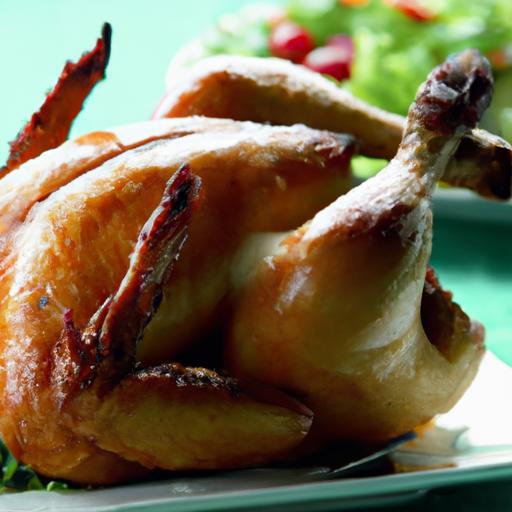
Ther’s something undeniably magical about a perfectly roasted chicken-teh golden,crispy skin that crackles with each slice,revealing tender,juicy meat beneath. But achieving that sublime balance between crispy exterior and succulent interior can feel like an art-and a science-combined. Timing is the secret ingredient that transforms an ordinary roast into a mouthwatering masterpiece. In this article, we’ll unravel the clockwork behind roasting, sharing expert tips and timing tricks to ensure your chicken emerges from the oven bursting with flavor and moisture every single time. Say goodbye to dry bites and hello to your new go-to recipe for juicy, irresistible roast chicken.
Perfect roast Chicken: timing Tips for Juicy Results
Perfect roast chicken starts with understanding the nuances that transform a simple bird into a golden masterpiece bursting with flavor and moisture.This dish, beloved across countless cultures, is a testament to patience, precision, and respectful technique. Whether you’re roasting a rustic farmhouse chicken in your kitchen or preparing a centerpiece for a family gathering, these tips will guide you to a beautifully cooked bird every time.
Prep and Cook Time
- Planning: 15 minutes
- Cooking Time: 1 hour 15 minutes (for a 4-pound chicken)
- Total Time: 1 hour 30 minutes
Yield
Serves 4-6 hungry guests
Difficulty Level
Medium – Ideal for cooks ready to elevate their roasting skills
Ingredients
- 1 whole chicken (about 4 pounds), preferably organic, patted dry
- 2 tablespoons olive oil or melted unsalted butter
- 1 teaspoon kosher salt
- 1/2 teaspoon freshly ground black pepper
- 4 garlic cloves, smashed
- 1 lemon, halved
- Fresh herbs such as rosemary, thyme, and parsley (a few sprigs)
- 1 onion, quartered (optional, for aromatics)
Instructions
- Choose the right chicken size: Opt for a chicken between 3.5 and 4.5 pounds for even cooking. Smaller birds cook to fast, risking dryness, whereas larger birds need longer roasting, which can result in uneven texture.
- Prep your chicken: Remove giblets and excess fat. Pat the skin completely dry with paper towels; this crucial step ensures crispy, golden skin.
- season inside and out: generously salt and pepper the cavity and skin. Insert garlic, lemon halves, and fresh herbs into the cavity for infused aromatics during roasting.
- Truss your bird: tie the legs together with kitchen twine and tuck the wing tips beneath to promote even roasting and prevent burning.
- Preheat your oven: Set the oven to 425°F (220°C) – this high starting temperature locks in juices and encourages crisp skin.
- Roast with precision: Place the bird breast-side up on a rack in a roasting pan. Roast for 15 minutes at 425°F, than reduce to 375°F (190°C) for the remaining time, roughly 15 minutes per pound.
- Use a meat thermometer: Insert it into the thickest part of the thigh without touching bone. When the internal temperature reaches 160°F (71°C), remove the chicken-carryover heat will bring it to the safe 165°F (74°C).
- Rest your bird: Tent the chicken loosely with foil and rest for at least 15-20 minutes. This crucial period allows juices to redistribute evenly,ensuring every slice bursts with moisture.
- Carve with care: Start by removing the legs and thighs, slicing along the joint.Then, carve the breast meat parallel to the rib cage for clean, uniform slices. Serve on a warm platter.
Tips for Success
- Moisture mastery: Brining your chicken for 4-6 hours in a simple saltwater solution helps retain moisture throughout roasting.
- Even cooking: Use an oven thermometer to verify true oven temperature-many ovens run hotter or cooler than the dial suggests.
- timing finesse: Set multiple timers for each stage of roasting and resting to maintain perfect timing effortlessly.
- Visual cues: Look for skin that is deeply golden and crisp; juices should run clear when pierced.
- Flavor variations: Swap fresh herbs with sage and oregano for Mediterranean flair or add smoked paprika to the rub for a subtle smoky note.
- Make-ahead tip: Roast the chicken a few hours before serving,then gently reheat at 300°F (150°C) covered with foil-brush occasionally with pan juices to sustain moisture.
Serving Suggestions
Serve your perfect roast chicken atop a bed of roasted root vegetables or alongside creamy mashed potatoes.Garnish with freshly chopped parsley and lemon wedges for an inviting pop of color and brightness.A light drizzle of pan jus, made from the roasting drippings, elevates the dish visually and flavor-wise-great for those photo-worthy moments or an intimate family meal.

| Nutrient | Amount per Serving |
|---|---|
| Calories | 350 kcal |
| Protein | 38 g |
| Carbohydrates | 0 g |
| Fat | 22 g |
For more techniques on roasting, check out our Ultimate Guide to Roasting Vegetables. To learn about safe cooking temperatures and food handling, visit the USDA Food Safety Site.
Q&A
Q&A: Perfect Roast Chicken – Timing Tips for Juicy Results
Q1: What’s the secret to roasting a perfectly juicy chicken?
A1: Timing is your best friend. The key is to roast the chicken just long enough to cook through without drying it out. Combine that with resting time after cooking, and you’ll unlock juicy, flavorful meat every time.
Q2: How long should I roast a whole chicken?
A2: A trusty rule of thumb is about 20 minutes per pound (450g) at 375°F (190°C). So, a 4-pound bird typically needs around 1 hour and 20 minutes. But always check the internal temperature-165°F (74°C) in the thickest part of the thigh-to be sure.
Q3: Should I start roasting at a high temperature or a moderate one?
A3: Start moderate (around 375°F/190°C) for even cooking. If you want crispy skin, finish with a swift blast of higher heat in the last 10 minutes. Avoid super high heat from the start-it can dry your chicken before the inside is cooked.
Q4: How does resting time effect juiciness?
A4: Resting is the magic pause. Let your chicken rest for 10-15 minutes after roasting to allow juices to redistribute throughout the meat. slice too soon and all those tasty juices will run onto the cutting board rather of staying inside the bird.
Q5: Any tips for ensuring the chicken cooks evenly?
A5: Truss the chicken with kitchen twine to keep wings and legs tucked close. This helps everything cook at the same rate. Also, place the bird breast-side up on a rack to promote air circulation and even roasting.
Q6: Can marinating or brining affect roasting time?
A6: Absolutely! Brining adds moisture and flavor,which can help keep the chicken juicy,sometimes allowing for slightly shorter roasting times. Just remember to pat dry before roasting to ensure crisp skin.
Q7: What if I don’t have a meat thermometer?
A7: even though not ideal, you can check doneness by piercing between the thigh and body-if juices run clear, it’s usually done. Also,wiggle the drumstick; if it moves easily in the joint,the chicken’s likely cooked through.
Q8: Any creative timing hacks for busy cooks?
A8: Prep your bird the night before with brine or seasoning, then roast it fresh for dinner. Or try starting at a lower temperature overnight in a slow oven for tender results, finishing with a quick broil for crisp skin.
Q9: How do oven types affect roasting time?
A9: Fan or convection ovens cook faster and more evenly, so reduce your time by about 10-15%. Conventional ovens may need a bit longer, so keep an eye on internal temperature rather than relying solely on the clock.
Q10: Final takeaway for juicy roast chicken success?
A10: Respect the clock, trust the thermometer, and don’t skip resting. Timing isn’t just about minutes-it’s about rhythm: roasting, resting, and savoring that perfect juicy bite. Happy roasting!
Future Outlook
Mastering the art of the perfect roast chicken is a dance of time and technique, where every minute counts toward that juicy, golden finish. With these timing tips in your culinary toolkit, you’re no longer at the mercy of guesswork or lukewarm results. Instead, you hold the power to transform a simple bird into a succulent centerpiece that delights the senses and elevates any meal.So next time you preheat the oven, remember: it’s not just about cooking-it’s about coaxing out the juiciest, most flavorful masterpiece with the perfect timing. Your roast chicken journey starts now. Happy roasting!