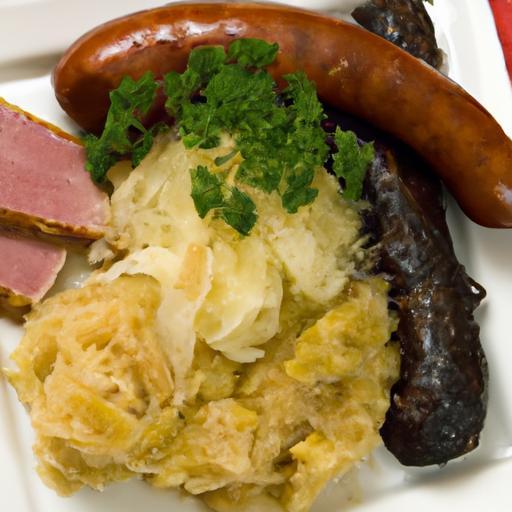
In the heart of Alsace, where French finesse meets German heartiness, a culinary masterpiece simmers quietly in rustic kitchens and bustling bistros alike: Choucroute Garnie. More than just sauerkraut with sausages, this beloved feast is a vibrant tapestry of tangy fermented cabbage, smoky meats, and rich flavors that tell the story of a region shaped by history and tradition. Join us as we unveil the secrets behind Choucroute Garnie-the ultimate sauerkraut party that has captured taste buds and tables around the world. Whether you’re a seasoned gourmand or a curious foodie, prepare to embark on a flavorful journey into the soul of Alsatian cooking.
Origins and Traditions Behind Choucroute garnie Revealed
Choucroute garnie is a culinary treasure that beautifully captures the essence of Alsace’s rich heritage and flavor-packed traditions. Originating from the heart of French-German borderlands, this celebrated dish has long been cherished as a hearty centerpiece for communal gatherings during cold winter months. Historically, humble farmers perfected the art of marrying fermented sauerkraut with an array of preserved and fresh meats, creating a dish both practical and festive. The fermentation of cabbage into tangy, bite-sized strands gave rise to a complexity of flavor, while the medley of meats provides satisfying richness without relying on pork. By embracing regional substitutions, modern renditions retain the soul of choucroute garnie while appealing to a broader palate and dietary preferences.
Prep and Cook Time
- Preparation: 25 minutes
- Cooking: 1 hour 45 minutes
- Total Time: 2 hours 10 minutes
Yield
Serves 6 generously
Difficulty Level
Medium - Requires attention to layering flavors and cooking times for meats and sauerkraut
Essential Ingredients That Bring Choucroute Garnie to Life
- 2 lbs sauerkraut, rinsed and drained to balance acidity
- 1 large onion, finely sliced
- 3 cloves garlic, minced
- 2 bay leaves
- 1 teaspoon juniper berries, gently crushed
- 1 teaspoon caraway seeds
- 4 cups low-sodium vegetable broth or chicken broth
- 1 lb beef sausages, such as frankfurters or kielbasa (no pork)
- 1 lb smoked turkey legs or thighs, skin removed
- 1 lb veal or chicken sausage, optional for extra variety
- 2 tablespoons unsalted butter
- Salt and freshly ground black pepper, to taste
- 2 tablespoons white mustard, for serving
Mastering the Art of Perfectly Cooked Sauerkraut and Meats
- Prepare the sauerkraut: Rinse the sauerkraut under cold water several times until the sharp acidity mellows to yoru liking. Squeeze out excess moisture gently and set aside.
- Sauté the aromatics: In a large heavy-bottomed pot, melt the butter over medium heat.Add sliced onions and sauté until golden and translucent, about 7 minutes. Stir in minced garlic and cook for another minute until fragrant.
- layer the flavors: Add the sauerkraut to the pot, along with bay leaves, juniper berries, and caraway seeds.Pour in the broth to cover the mixture partially. Season lightly with salt and pepper.
- Simmer gently: Bring the pot to a gentle simmer. Cover and let the sauerkraut stew on low heat for about 1 hour, stirring occasionally to avoid burning. This slow cooking invites the flavors to meld beautifully.
- Add meats in stages: Nestle in the smoked turkey legs and veal or chicken sausage at the 30-minute mark, allowing them to infuse into the sauerkraut. Add the beef sausages only during the last 20 minutes to prevent overcooking, ensuring juicy, tender bites.
- Check seasoning and finish: Remove bay leaves and adjust salt and pepper. For added richness,dot a little butter over the top before serving.
Expert Tips for serving and Pairing Your Ultimate Sauerkraut Feast
Present your choucroute garnie with rustic charm by heaping the sauerkraut onto a large wooden board or a communal platter, interspersed with colorful meats arranged in inviting clusters. Fresh sprigs of thyme or parsley add an herbaceous note and vibrant contrast to the pale sauerkraut and golden sausages.
To balance the dish’s savory and tangy profile, serve with classic boiled or roasted baby potatoes tossed in melted butter and chives. A hearty rye or sourdough bread on the side is perfect for soaking up the flavorful juices.
If you wish to elevate your dining experience further, consider pairing with a chilled Alsace-style white grape juice or a crisp, mineral-driven Riesling from a reputable wine source like Wine Enthusiast. For an alcohol-free twist, a tart apple cider offers a delightful complement. Mustard on the side provides a tangy punch and team-up beautifully to cut thru the dish’s richness.

Chef’s Notes & Tips for Success
- Adjust acidity: Don’t hesitate to rinse the sauerkraut multiple times if you find it overly sharp; the right balance is key to a crowd-pleasing dish.
- Meat variations: If turkey legs aren’t available,smoked chicken thighs or duck breast make excellent alternatives,offering smokiness without pork products.
- Sauce thickness: If your sauerkraut broth is too watery, remove the meat and simmer the liquid uncovered for 10 minutes to concentrate flavors.
- Make-ahead magic: Choucroute garnie tastes even better the next day as flavors deepen. Reheat gently on stove, adding a splash of broth if needed.
- Visual appeal: Use a colorful array of sausages and garnish with fresh herbs to create an inviting feast perfect for family or festive occasions.
Serving Suggestions
- Serve hot with a side of buttery boiled potatoes or crusty artisan bread
- Accompany with a dollop of whole grain mustard or Dijon for bold flavor
- Garnish with fresh parsley or thyme sprigs for an herbaceous finish
- Pair with crisp Riesling or chilled apple cider for complementary acidity
| Nutrient | Per serving |
|---|---|
| Calories | 540 kcal |
| Protein | 35 g |
| Carbohydrates | 20 g |
| Fat | 32 g |
Explore more creative sauerkraut recipes to diversify your culinary repertoire.
Q&A
Q&A: Choucroute Garnie – The Ultimate Sauerkraut Feast Unveiled
Q1: What exactly is Choucroute Garnie?
A1: Choucroute Garnie is a hearty Alsatian classic-a festive medley of sauerkraut adorned with an array of savory meats. Think of it as a culinary treasure chest where tangy, slow-cooked cabbage meets silky sausages, smoky bacon, and tender pork cuts, all simmered to perfection. It’s the ultimate sauerkraut feast that celebrates rustic tradition and bold flavors.
Q2: Where does Choucroute Garnie come from?
A2: This dish hails from Alsace, the picturesque region nestling between France and Germany. Its roots are a flavorful reflection of cultural crossover-French finesse meets German heartiness. Over centuries, locals transformed simple preserved cabbage and meat into a celebrated comfort food staple.
Q3: What makes sauerkraut the star of this dish?
A3: Sauerkraut isn’t just cabbage gone sour-it’s a complex flavor powerhouse, fermented to perfection.The tangy, slightly crunchy sauerkraut balances the richness of the meats, while its acidity cuts through the heaviness, making the entire dish harmonious and easy to savor.
Q4: Which meats are traditionally used in Choucroute Garnie?
A4: A true feast wouldn’t be complete without an ensemble cast: typically, smoked pork loin, various sausages like knackwurst and Strasbourg, salted pork belly, and sometimes ham hocks or pork knuckles. Each brings a unique texture and smoky depth,turning each bite into a symphony of flavors.
Q5: How is Choucroute Garnie traditionally prepared?
A5: Preparation is a labor of love. First, sauerkraut is gently cooked with onions, garlic, juniper berries, and a splash of white wine or beer, infusing it with aromatic warmth.Then the meats are layered on top,covered,and slowly simmered until tender. The result? A communal dish that’s both rustic and refined.Q6: Is Choucroute Garnie only for special occasions?
A6: While it shines brightly during winter festivals and holiday feasts-warming hearts and hands alike-Choucroute Garnie is also a beloved everyday meal in Alsace. Its comforting essence makes any day worthy of celebration.
Q7: Can I make Choucroute Garnie at home?
A7: Absolutely! while it may seem intimidating, with patience and quality ingredients, you can recreate this feast in your own kitchen. Key tips: source flavorful sauerkraut, select a variety of meats, and don’t rush the slow cooking. The payoff is a dish that invites sharing and storytelling at your table.
Q8: What sides or drinks complement Choucroute Garnie best?
A8: Serve it with hearty boiled potatoes or crusty bread to soak up the juices.As for drinks, Alsace’s crisp white wines like Riesling or Gewürztraminer elevate the dish beautifully. For beer lovers, a malty lager or conventional German-style pilsner works wonders.
Q9: How has choucroute Garnie evolved in modern cuisine?
A9: today’s chefs play with tradition-adding new twists like artisanal sausages, fresh herbs, or even vegetarian proteins-while honoring the essence of the sauerkraut feast. It’s a dish that invites creativity without losing its soul.
Q10: why should food lovers around the world discover Choucroute Garnie?
A10: Because it’s more than a meal-it’s a story of heritage, community, and the magic of fermentation and fire. Choucroute Garnie invites us to slow down, share warmth, and savor the rich tapestry of flavors that only a timeless sauerkraut feast can offer.
To Conclude
As the last tangy bite of Choucroute Garnie lingers on your palate, it’s clear that this hearty Alsatian treasure is more than just a meal-it’s a celebration of tradition, flavor, and conviviality. From its humble roots as a farmers’ dish to its place on gourmet tables, Choucroute Garnie invites us to savor the rich tapestry of sauerkraut, succulent sausages, and tender meats, all simmered to perfection. Whether you’re a culinary adventurer or a comfort food enthusiast, embracing this ultimate sauerkraut feast is a delicious journey into a world where history and taste intertwine. So next time the craving strikes,gather your loved ones,raise a glass,and let Choucroute Garnie unveil the warm,tangy heart of Alsace right in your own kitchen.