There’s a certain magic that happens when tart, sun-kissed lemons meet clouds of sweet, billowy meringue-an alchemy that transforms simple ingredients into an irresistible dessert known as lemon meringue pie.This zesty delight has long captivated taste buds with its perfect dance of tang and sweetness, its crisp, buttery crust providing a sturdy stage for the vibrant performance. But beyond its tasty allure lies an intriguing blend of culinary artistry and scientific precision.In “Zesty Delight: The Art and Science of Lemon Meringue Pie,” we peel back the layers of this classic confection, exploring the delicate balance of flavors, the chemistry behind that glossy meringue, and the techniques that elevate a humble pie into a timeless masterpiece.Journey with us as we uncover what makes lemon meringue pie not just a dessert, but a harmonious party of zest, texture, and skill.
Zesty Delight is the ultimate guide to crafting a lemon meringue pie that seamlessly balances tangy citrus brightness with lush sweetness,creating a dessert that awakens the palate and captivates every sense. This iconic dessert harks back to early 19th-century european kitchens, where lemon’s vibrant flavor began its reign as a dessert staple. Combining tradition with modern culinary artistry, you’ll learn how to coax the perfect lemon filling, master the delicate meringue texture, choose the ideal crust, and deliver a stunning presentation that impresses both visually and gastronomically.
Prep and Cook Time
- Preparation: 30 minutes
- Cooking: 40 minutes
- Total Time: 1 hour 10 minutes
Yield
Serves 8 generous slices
Difficulty Level
Medium – great for adventurous home bakers ready to refine their techniques
Ingredients
- For the Crust:
- 1 ½ cups all-purpose flour, sifted
- ⅓ cup granulated sugar
- ½ teaspoon salt
- ½ cup unsalted butter, chilled and cubed
- 1 large egg yolk
- 2 tablespoons ice-cold water
- For the lemon Filling:
- 1 ¼ cups granulated sugar
- 3 tablespoons cornstarch
- 1 ¼ cups water
- 3 large egg yolks, lightly beaten
- ⅔ cup freshly squeezed lemon juice (about 4 lemons)
- 2 teaspoons finely grated lemon zest
- 2 tablespoons unsalted butter, room temperature
- For the Meringue:
- 4 large egg whites, at room temperature
- ½ teaspoon cream of tartar
- ½ cup granulated sugar
- 1 teaspoon vanilla extract
Instructions
- Prepare the Crust: Combine flour, sugar, and salt in a large bowl. Using a pastry blender or fingertips,quickly work in the chilled butter until the mixture resembles coarse crumbs with pea-sized pieces. add the egg yolk and ice water gradually, mixing just until dough forms. Avoid overworking to ensure flakiness. wrap in plastic wrap and chill for at least 30 minutes.
- Blind Bake the Crust: Roll out chilled dough on a lightly floured surface to about 12 inches in diameter and transfer to a 9-inch tart pan with a removable bottom. Prick the base with a fork and line with parchment paper; fill with pie weights or dried beans. Bake at 375°F (190°C) for 15 minutes. Remove weights and parchment; bake an additional 10 minutes or until light golden. Let cool fully.
- Cook the lemon Filling: Whisk sugar and cornstarch in a medium saucepan. Gradually stir in water and cook over medium heat until mixture thickens and bubbles, about 5 minutes. Temper the egg yolks by slowly whisking in a small amount of hot mixture,than return all to pan.Stir continuously for 2 minutes to avoid curdling. Remove from heat; stir in lemon juice, zest, and butter until smooth and glossy. Pour filling into cooled crust.
- Make the Meringue: Using a clean, dry bowl and electric mixer, beat egg whites and cream of tartar on medium speed until soft peaks form. gradually add sugar, increase speed to high, and beat until glossy and stiff peaks form. Carefully fold in vanilla extract.
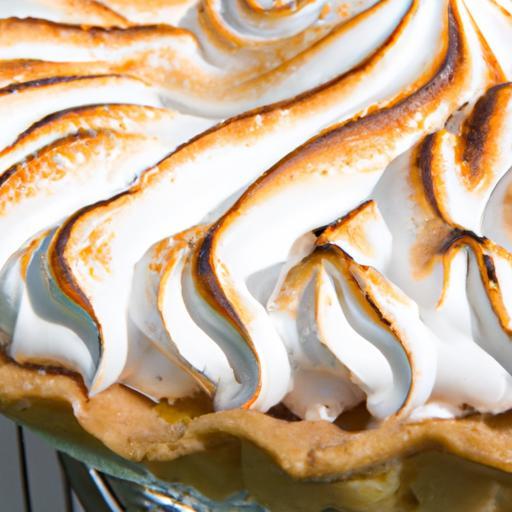
- Assemble and Bake: Spread meringue evenly over hot lemon filling, sealing edges to crust to prevent shrinking. Bake at 350°F (175°C) for 12-15 minutes, or until meringue tips are golden and set. Watch closely to avoid burning.
- Cool and Serve: Allow pie to cool to room temperature, then chill for at least 2 hours for clean slicing. This resting enhances the filling’s set texture and makes each slice picture-perfect.
Tips for Success with Zesty Delight Lemon Meringue Pie
- Balance is Everything: Use freshly squeezed lemon juice and zest for brightness; store-bought juice lacks the necessary acidity and vibrancy essential for perfect tang.
- Meringue Magic: Ensure all equipment is grease-free and egg whites are at room temperature for maximum volume. Adding cream of tartar stabilizes the meringue, while gradual sugar incorporation prevents graininess.
- Crust Care: Chilling dough before baking prevents shrinkage and creates a tender yet sturdy base, perfectly balancing the pie’s zesty filling.
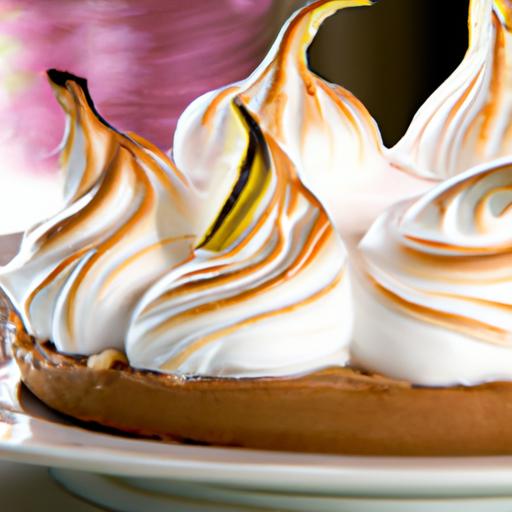
- Presentation Pointers: Pipe swirls in the meringue before baking for an artistic touch, or sprinkle with finely grated lemon zest post-bake for a fragrant finish.
- Make-Ahead Pleasant: Prepare crust and filling the day before. Meringue is best added just before baking to maintain its fluffy texture.
Serving Suggestions
Serve each slice chilled with a dollop of lightly whipped cream or a few fresh berries to complement the zesty tang. For elegance, garnish with thin lemon twists or edible flowers.Pair with a cup of chamomile or green tea to balance palate sensations beautifully.
| Nutritional Info (per serving) | Amount |
|---|---|
| Calories | 320 kcal |
| Protein | 5 g |
| Carbohydrates | 45 g |
| Fat | 12 g |
Related Read: Discover how to perfect your fruit tart dough in our Perfect Fruit Tart Crust article. For scientific insight into the chemistry behind meringue, explore the thorough guide from serious Eats.

Q&A
Q&A: Zesty Delight – The Art and Science of lemon meringue Pie
Q1: What makes lemon meringue pie such a beloved dessert?
A1: Lemon meringue pie captivates with its harmonious balance of tangy citrus filling and airy, cloud-like meringue topping. This delightful contrast between sharpness and sweetness, along with its vibrant yellow hue and glossy peaks, creates not only a feast for the taste buds but also a visual masterpiece. It’s a timeless combination that tickles the senses and evokes warm memories.
Q2: What’s the secret behind the perfect lemon filling?
A2: The magic lies in the precise chemistry of lemon juice, sugar, eggs, and cornstarch (or flour).The lemon juice provides brightness and acidity, while the sugar tempers the tartness. Eggs act as both flavor enhancers and natural thickeners, thanks to their proteins coagulating under heat. The key is to cook the mixture gently to allow the filling to thicken into a silky,smooth custard without curdling or becoming grainy.
Q3: Why is the meringue so crucial, and how is it perfected?
A3: Meringue is the ethereal crown of the pie-light, fluffy, and slightly toasted for contrast. Achieving stiff, glossy peaks depends on whipping egg whites free of any fat or yolk contamination, adding sugar gradually to stabilize and sweeten, and baking just long enough to dry the exterior without browning too much. The meringue’s protein structure traps air, creating those iconic clouds that melt on your tongue.Q4: How does the science of temperature influence lemon meringue pie?
A4: Temperature is a pivotal player at every stage. The crust needs blind baking to ensure crispness, preventing sogginess from the moist filling. The filling must be thickened over moderate heat so the eggs set without scrambling. the meringue requires just a brief, high-temperature bake or torching to form a golden crust while preserving its airy interior. A well-timed cool-down lets the pie set perfectly.
Q5: Are there innovative twists to the classic lemon meringue pie?
A5: Absolutely! Chefs experiment with infused crusts (think almond or coconut), alternative citrus like yuzu or Meyer lemons for nuanced flavors, or adding textures such as raspberries or ginger. Some even swap traditional meringue for Italian or Swiss versions, wich offer different sweetness and stability profiles. These variations keep the classic fresh and exciting while honoring its roots.
Q6: What’s the best way to serve and savor this zesty delight?
A6: Serve lemon meringue pie chilled, allowing the filling to fully set and the flavors to meld. pairing it with a dollop of lightly whipped cream or a sprinkle of candied lemon zest enhances the experience. The ideal first bite is a perfect combination of flaky crust, tangy lemon filling, and fluffy meringue-a symphony of textures and tastes that dance together on the palate.
Lemon meringue pie isn’t just dessert-it’s a delicious intersection of art and science, tradition and innovation. Master its delicate balance, and you’ll create a zesty delight that brings sunshine to any table.
Insights and Conclusions
As the final slice of lemon meringue pie fades from your plate, you’re left with more than just a lingering tangy sweetness-you carry with you the rich legacy of a dessert that marries culinary art with scientific precision. From the radiant, citrusy zing of lemon curd to the ethereal cloud of toasted meringue, each element is a testament to thoughtful technique and flavorful harmony. Whether you’re a seasoned baker or an adventurous newbie, embracing the delicate balance of acid, sugar, and air can transform a simple pie into a zesty delight that delights both palate and mind. So next time you whisk, fold, and bake, remember: every luscious bite of lemon meringue pie is a celebration of nature’s chemistry and the timeless joy of baking.