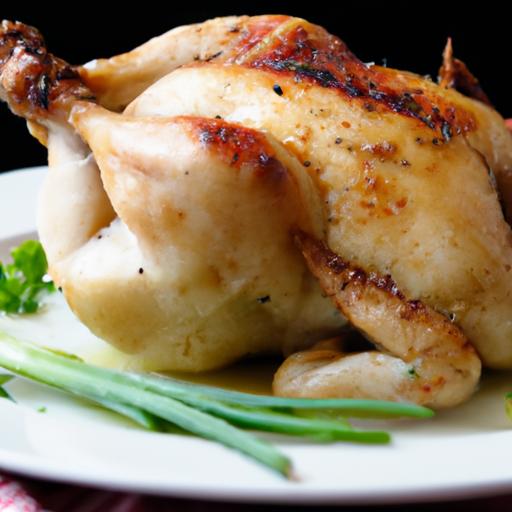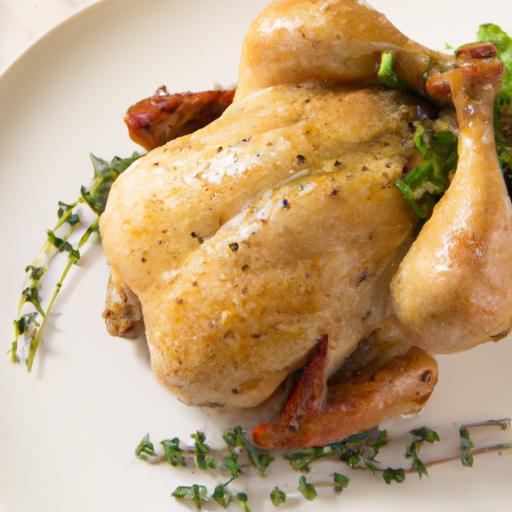
There’s something undeniably magnetic about the aroma of a perfectly roasted chicken,its skin a deep mahogany gloss that promises a symphony of flavors with every bite. Among the many culinary interpretations,the French roast chicken stands out as a timeless classic-simple in technique yet rich in tradition and taste. Mastering this beloved dish is more than just following a recipe; it’s an invitation to embark on a flavorful journey through the heart of French cuisine. In this article, we’ll explore the art and science behind achieving that quintessential golden crust and succulent interior, unlocking the secrets that have made french roast chicken a cherished staple on tables around the world. Whether you’re a seasoned cook or a curious beginner, prepare to elevate your roasting game and savor a classic that never goes out of style.
Mastering French Roast Chicken: this classic dish is a journey into the heart of French culinary tradition. Rooted in rustic techniques and refined flavors, it balances the art of roasting with an intimate dance of herbs and spices. The intoxicating aroma of thyme, rosemary, and garlic melds with the crisp, golden skin, while the tender, juicy meat remains the star. Whether you are recreating a family favorite or unlocking a new kitchen passion,the secret lies in understanding how each component elevates this iconic recipe.
Prep and Cook Time
- Preparation: 15 minutes
- Marinating: 1 hour (optional but recommended)
- Cooking: 1 hour 15 minutes
- Total Time: Approximately 2.5 hours
Yield
Serves 4 to 6 people, perfect for an intimate family dinner or an elegant weekend gathering.
Difficulty Level
Medium – approachable for home cooks ready to hone essential roasting skills and create authentic French flavors.
Ingredients
- 1 whole chicken (about 4 to 4.5 lbs), preferably organic or free-range
- 2 tablespoons unsalted butter, softened
- 3 cloves garlic, minced
- 1 tablespoon fresh thyme, finely chopped
- 1 tablespoon fresh rosemary, finely chopped
- 1 teaspoon dried tarragon
- 1 lemon, halved
- Salt and freshly ground black pepper, to taste
- 2 tablespoons olive oil
- 1 medium onion, quartered
- 2 carrots, cut into large chunks
- 1 cup low-sodium chicken stock
Instructions
- Prep the chicken: Remove any giblets and pat the chicken dry with paper towels to ensure a crispy skin later. Season generously inside and out with salt and pepper.
- Make the herb butter: In a small bowl, combine softened butter, minced garlic, thyme, rosemary, and tarragon.Rub this aromatic mixture under the skin of the chicken breasts and over the exterior. This tenderizes the meat and infuses deep flavor.
- Stuff and truss: Place the lemon halves and a few sprigs of rosemary inside the cavity. Tie the legs together with kitchen twine to promote even cooking and an elegant shape.
- Arranging the roasting pan: Spread the onion and carrot chunks across the base of a roasting pan. Drizzle with olive oil and sprinkle with a touch of salt. place the chicken breast-side up on top of the vegetables. Thay will act as a natural roasting rack and flavor enhancer.
- Roast the chicken: Preheat your oven to 425°F (220°C). Insert a roasting thermometer if available. Roast the chicken for about 1 hour to 1 hour 15 minutes, occasionally basting with juices to enhance moisture and color. The internal temperature should reach 165°F (74°C) at the thickest part of the thigh.
- Rest the chicken: Once done, let the chicken rest for 15 minutes covered loosely with foil. This grants juices time to redistribute for optimal juiciness.
- Make a pan sauce (optional): while the chicken rests, place the roasting pan over medium heat, add the chicken stock, and scrape browned bits from the bottom with a wooden spoon.Reduce slightly to a silky jus perfect for drizzling over carved pieces.
Tips for Success
- Herb adaptability: Fresh herbs provide vibrant flavor, but dried can be used in a pinch-just reduce amounts by half since they’re more concentrated.
- Dry skin magic: for crackling skin, ensure the chicken’s skin is utterly dry before seasoning. Pat with paper towels and leave in the fridge uncovered for 1 hour if time allows.
- Even cooking: Rotate the pan halfway through roasting to promote even browning.
- Make ahead: Herb butter can be made a day prior and stored in the fridge to deepen flavors.
- Alternative roasting method: Start at high heat for 20 minutes to jumpstart browning,then lower to 350°F (175°C) until cooked through for a balance of crispy skin and juicy interior.
Serving Suggestions to Elevate Your Classic french Roast Chicken Experience
The artful presentation of French roast chicken can transform a simple meal into a celebration. Carve the bird at the table and serve with a drizzle of the homemade pan sauce.Surround it with roasted baby potatoes tossed in fresh thyme and glazed carrots for a complementary flavor profile.
Brighten the plate with a fresh arugula salad dressed in lemon vinaigrette to contrast the roast’s richness. For bread, a crisp baguette works beautifully, inviting diners to sop up every last drop of sauce.
Garnish with fresh herbs-sprigs of rosemary or thyme lend a rustic yet elegant finish, and thin lemon slices add a visual burst of brightness.

| Nutrient | Per Serving (Approx.) |
|---|---|
| Calories | 420 kcal |
| Protein | 45 g |
| Carbohydrates | 8 g |
| Fat | 18 g |
For those eager to deepen their mastery,explore our guide on roasting techniques or consult International Cuisine’s detailed French roast chicken history for cultural insight. This layered approach to technique and flavor will leave you feeling empowered in your kitchen and craving your next culinary creation.
Q&A
Q&A: Mastering French Roast Chicken: A Classic Flavor Journey
Q1: What makes French roast chicken different from other roast chicken recipes?
A1: French roast chicken is not just about roasting poultry-it’s a flavorful expedition into classic french cuisine. What sets it apart is the use of herbs like thyme and tarragon,a subtle splash of white wine or dry vermouth,and a buttery basting technique that creates a perfectly crispy,golden skin. The chicken is often roast with aromatics like garlic and shallots, infusing every bite with refined, rustic elegance.
Q2: Which herbs are essential for capturing the authentic taste of French roast chicken?
A2: Thyme, rosemary, and tarragon reign supreme in French roast chicken. Thyme provides earthy warmth, rosemary adds a piney aroma, and tarragon delivers a hint of anise-like brightness. Together, they form a fragrant herbal symphony that elevates the humble roasted bird into a timeless delicacy.
Q3: How do you achieve that coveted crispy skin while keeping the meat juicy?
A3: The secret lies in preparation and temperature control. Start by patting the chicken very dry-moisture is the enemy of crispiness.Generously salt the skin and let the chicken air-dry in the fridge for a few hours, if possible. Roast at a moderately high temperature (around 400°F/200°C), periodically basting with melted butter infused with garlic and herbs.This method encourages a golden, crackling skin that seals in succulent juices.
Q4: Can the classic French roast chicken be adapted for weeknight dinners?
A4: Absolutely! While the customary process might feel artisanal, you can streamline it without losing essence. Use a pre-brined chicken for quicker seasoning, swap shallots for readily available onions, and roast at a slightly higher temperature to reduce cooking time. Pair with a simple salad or crusty bread, and you have a sophisticated meal ready in under an hour.
Q5: What side dishes complement French roast chicken best?
A5: french roast chicken pairs beautifully with classic sides like ratatouille, pommes purée (creamy mashed potatoes), or a crisp green salad tossed with Dijon vinaigrette. For a heartier feast, try roasted root vegetables or a buttery green bean almondine. The key is to balance richness with freshness to let the chicken’s flavors shine.
Q6: How does French roast chicken reflect the principles of classic French cooking?
A6: At its core, French roast chicken embodies elegance through simplicity. It honors high-quality ingredients-fresh herbs, good butter, and a well-raised bird-and thoughtful techniques like roasting and basting. Each step builds layers of flavor without complexity for complexity’s sake. It’s a delicious lesson in how tradition and technique can transform everyday ingredients into an remarkable meal.
Q7: Any tips for seasoning beyond the basics?
A7: For a modern twist, try rubbing the chicken with a mixture of smoked paprika and black garlic before adding the herbs. A gentle splash of armagnac or cognac during roasting can deepen the flavor profile. Don’t forget finishing touches-sprinkling fleur de sel and freshly cracked pepper just before serving adds an irresistible texture and bite.
Mastering French roast chicken is more than a recipe-it’s an invitation to savor the nuanced, heartfelt art of French home cooking. With every crispy, herb-kissed bite, you embark on a timeless culinary journey. Bon appétit!
closing Remarks
As the rich aroma of a perfectly roasted French chicken lingers in the air, you’ve unlocked more than just a recipe-you’ve embraced a culinary tradition that celebrates simplicity, technique, and bold flavors. Mastering French roast chicken is not merely about cooking; it’s a flavorful journey through time and culture, where every crispy skin and tender bite tells a story.Armed with these tips and a passion for precision,your kitchen is now the gateway to classic French comfort,ready to delight your palate and impress your guests. So, gather your herbs, preheat the oven, and let this timeless dish become your signature masterpiece, one golden roast at a time.