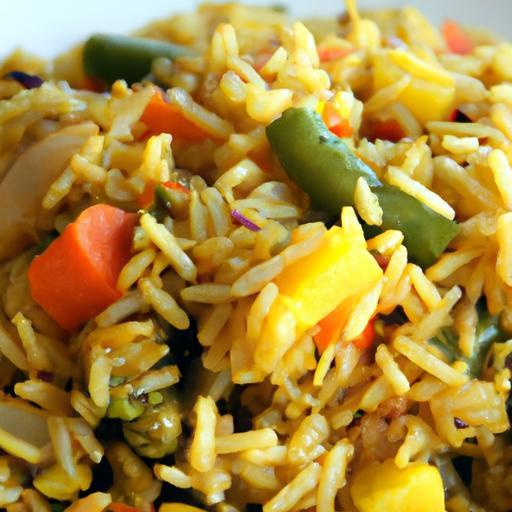
Bursting with vibrant colors and rich aromas, vegetable biryani has long been a beloved dish across cultures, celebrated for its harmonious blend of spices and fresh ingredients. But what if this classic comfort food could be transformed into an even more nourishing experience? Enter the wholesome brown rice vegetable biryani-a delightful twist that elevates this traditional favorite into a powerhouse of nutrition without sacrificing flavor. By swapping in fiber-rich brown rice and an abundance of garden-fresh vegetables, this recipe offers a perfect balance of taste, texture, and health benefits. Join us as we explore how to create this nutritious vegetable biryani, a hearty meal that not onyl pleases the palate but also fuels the body with wholesome goodness.
Nutritious vegetable Biryani blends wholesome brown rice with a vibrant medley of fresh vegetables and aromatic spices, creating a dish that’s both nourishing and bursting with flavor. Originating from the rich culinary tapestry of South Asia, biryani is traditionally a royal meal served at celebrations, but this recipe reinvents it as a daily delight-packed with nutrition and crafted to invigorate your taste buds with every bite.
Prep and Cook Time
- Preparation: 20 minutes
- Cooking: 40 minutes
- Total: 1 hour
Yield
Serves 4 generous portions
Difficulty Level
Medium - Ideal for enthusiastic home cooks comfortable with layering flavors and techniques.
Ingredients
- 1½ cups brown basmati rice, rinsed and soaked for 30 minutes
- 2 cups mixed vegetables (carrots diced, green beans chopped, peas, cauliflower florets)
- 1 large onion, thinly sliced
- 2 medium tomatoes, finely chopped
- 1/4 cup plain yogurt, whisked
- 3 tablespoons vegetable oil or ghee
- 1 teaspoon ginger-garlic paste
- 1 green chili, slit (optional for mild heat)
- 1 teaspoon cumin seeds
- 2 bay leaves
- 4 green cardamom pods
- 4 whole cloves
- 1 cinnamon stick (1-inch piece)
- 1 teaspoon turmeric powder
- 2 teaspoons garam masala
- 1 teaspoon coriander powder
- 1 teaspoon red chili powder (adjust to taste)
- Salt to taste
- Fresh coriander leaves for garnish
- Fresh mint leaves for garnish
- 1/4 cup fried onions for topping (optional but recommended)
- 2 cups water or as needed
Step by Step Guide to Preparing a Wholesome Vegetable Biryani
- Prepare the brown rice: Drain soaked rice and set aside. Brown basmati retains a firm texture and nutty aroma that enhances the nutritious vegetable biryani‘s wholesome appeal.
- heat oil or ghee in a heavy-bottomed pot over medium heat. Add cumin seeds, bay leaves, cardamom, cloves, and cinnamon stick. Sauté until fragrant, about 1 minute.
- Add sliced onions and sauté until golden brown, about 7-8 minutes, stirring ofen to avoid burning.
- Mix in ginger-garlic paste and green chili, cooking for 2 minutes until raw aroma dissipates.
- Stir in tomatoes and cook until they break down and oil begins to separate, roughly 5 minutes.
- Add the turmeric, red chili powder, coriander powder, and garam masala. stir well to coat the onion-tomato mixture evenly.
- Add the mixed vegetables and salt.Mix thoroughly and cook for 5 minutes, letting the spices permeate through the veggies.
- Lower the heat and fold in the whisked yogurt. Cook for another 5 minutes, allowing the yogurt to enrich the gravy without curdling.
- In a separate pot,bring 2 cups water to boil. Drain the rice, then add it to the pot with boiling water. Cook uncovered until the rice is 70% done, about 15 minutes. Drain thoroughly.
- Layer the biryani: On top of the vegetable mixture, spread the partially cooked rice evenly. Sprinkle fried onions,fresh coriander,and mint leaves across the top for fragrance and visual appeal.
- Seal the pot with a tight-fitting lid or dough to trap steam. Cook on very low heat for 20-25 minutes (dum cooking), allowing all flavors to marry beautifully.
- Turn off heat and let the biryani rest for 10 minutes before gently fluffing with a fork.
Chef’s Notes and Tips for Success
- Brown basmati rice is central to the nutritious vegetable biryani due to its high fiber and mineral content.Rinsing and soaking ensure fluffy grains.
- For more protein, toss in soaked chickpeas or paneer cubes during vegetable cooking.
- Don’t skip the dum cooking step-this slow steaming infuses flavors and tenderizes the rice perfectly.
- Use fresh herbs generously; mint and coriander elevate both aroma and digestion.
- If you prefer a creamier texture, finish with a drizzle of saffron-infused warm milk before resting the biryani.
- This biryani can be made ahead and reheated gently; flavors deepen beautifully overnight.
Serving Suggestions
present this vibrant nutritious vegetable biryani in a wide shallow bowl or traditional handi to showcase colorful vegetables settled beneath a golden-brown onion crust. Garnish with extra fried onions, chopped fresh herbs, and a wedge of lemon to squeeze over. Pair with a cooling cucumber raita or a simple mixed greens salad to round out your meal.

| Nutrient | Per Serving |
|---|---|
| Calories | 350 kcal |
| Protein | 8 g |
| Carbohydrates | 65 g |
| Fat | 6 g |
To deepen your understanding of brown rice’s health benefits, visit this extensive Healthline article.
Explore more wholesome grain-based dishes in our Healthy Grain Recipes collection to keep your meals exciting and nutritious.
Q&A
Q&A: Nutritious Vegetable Biryani - Wholesome Brown Rice Delight
Q1: What makes vegetable biryani a nutritious choice?
A1: Vegetable biryani is a colorful medley of fresh vegetables, fragrant spices, and wholesome grains. When made with nutrient-rich ingredients like brown rice and a variety of veggies, it provides a balanced dose of fiber, vitamins, minerals, and antioxidants, making it a wholesome and energizing meal.Q2: Why choose brown rice over traditional white rice for biryani?
A2: Brown rice retains the bran and germ layers, offering more fiber, magnesium, and B vitamins than white rice. This means it supports better digestion, steadier blood sugar levels, and longer-lasting energy-perfect for those seeking a healthier twist on classic biryani.
Q3: Which vegetables work best in a wholesome vegetable biryani?
A3: A vibrant assortment is ideal-think carrots, peas, bell peppers, beans, cauliflower, and potatoes. These veggies add texture, flavor, and a spectrum of nutrients, turning every bite into a nourishing celebration of nature’s bounty.
Q4: How do the spices in biryani contribute to health?
A4: Biryani’s spices-like turmeric, cumin, coriander, cinnamon, and cloves-not only elevate the taste but also offer powerful health benefits. Turmeric’s curcumin is anti-inflammatory, cumin aids digestion, and cinnamon can definitely help regulate blood sugar. Together, they create a symphony of flavor and wellness.
Q5: Can vegetable biryani fit into a weight management plan?
A5: Absolutely! With its high fiber content from brown rice and vegetables, this biryani promotes fullness and curbs cravings.Plus, it’s nutrient-dense without being calorie-heavy, making it a satisfying option for mindful eaters.
Q6: How can one enhance the protein content in vegetable biryani?
A6: Incorporate plant-based proteins like chickpeas, lentils, or tofu for a protein boost. nuts and seeds such as cashews or pumpkin seeds also add crunch and valuable nutrients, turning this biryani into a complete, balanced meal.
Q7: Is vegetable biryani suitable for special diets?
A7: Yes! It’s naturally vegan and gluten-free when prepared without animal products or gluten-containing ingredients, making it accessible for a variety of dietary needs while still bursting with flavor and nutrition.
Q8: What’s a simple tip to make brown rice biryani fluffier and more aromatic?
A8: Soak the brown rice for at least 30 minutes before cooking and toast it briefly with spices like bay leaves and cardamom. This enhances texture and infuses the rice with delightful aromas, elevating your biryani experience.
Q9: Can you suggest a healthy accompaniment to this dish?
A9: A cooling cucumber raita made with low-fat yogurt and fresh herbs complements the spiced biryani perfectly, balancing heat with creaminess and adding probiotics for digestive health.
Q10: Any final thoughts on embracing vegetable biryani with brown rice?
A10: Swapping traditional white rice for brown rice in vegetable biryani is a appetizing step toward mindful eating. It’s not just a meal-it’s a heartfelt invitation to nourish your body, indulge your senses, and celebrate wholesome living with every aromatic bite.
The Way Forward
In the vibrant world of flavorful, nourishing meals, the Nutritious Vegetable Biryani stands out as a true celebration of health and tradition. By embracing wholesome brown rice and an array of colorful vegetables, this delightful dish not only satisfies your palate but also fuels your body with essential nutrients.Whether you’re seeking a hearty weeknight dinner or a wholesome centerpiece for your next gathering, this brown rice biryani promises a delicious journey that honors both taste and well-being. so, next time you crave comfort with a nutritional boost, let this wholesome vegetable biryani be your go-to delight-a perfect blend of flavor, fiber, and festivity in every aromatic bite.