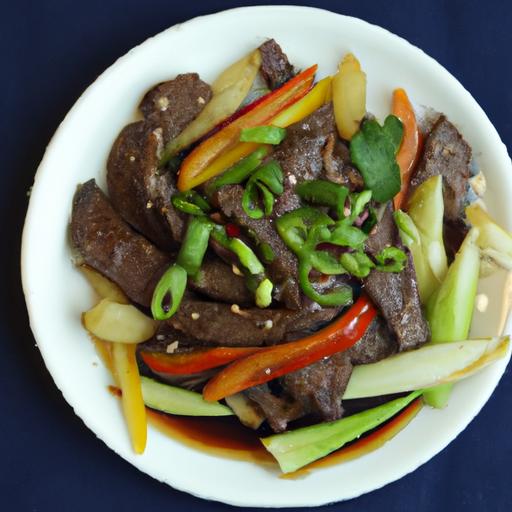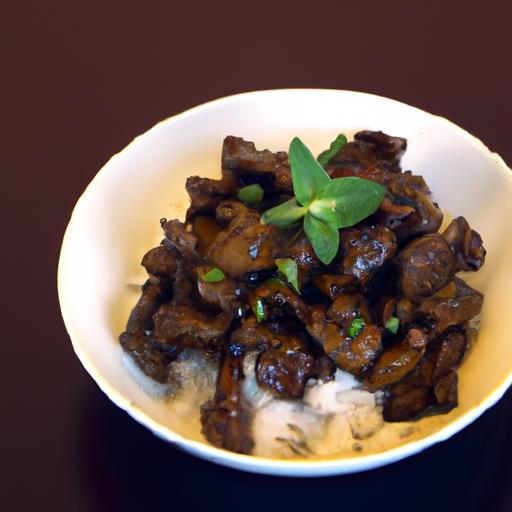
Step into a culinary journey where bold flavors meet centuries-old tradition-welcome to the world of authentic Mongolian beef. Far from the fusion interpretations frequently enough found on menus worldwide, this dish is a vibrant festivity of tender, caramelized beef strips kissed by a perfect balance of savory and sweet. In this guide, we’ll unravel the secrets behind crafting Mongolian beef that stays true to its roots, highlighting key ingredients, techniques, and cultural notes that bring every bite to life. Whether you’re a kitchen novice or a seasoned cook seeking to expand your repertoire, prepare to savor the rich heritage and irresistible taste of this iconic Mongolian favorite.
Exploring the Rich History behind Mongolian Beef and Mastering the Perfect Marinade
Savor the Flavors: Authentic Mongolian Beef recipe Guide transports you into the heart of a dish celebrated for its bold, savory-sweet combination and irresistibly tender texture. While Mongolian Beef doesn’t originate directly from Mongolia, it’s a beloved staple in Chinese-American cuisine, inspired by the rustic, hearty traditions of Mongolian nomads-reimagined in Cantonese kitchens for the perfect balance of tender beef and rich, vibrant sauce. This recipe is your passport to mastering a dish that transforms simple ingredients into a vibrant celebration of umami and texture.
Prep and Cook Time
- Preparation: 20 minutes
- Marinating: 30 minutes (recommended)
- Cooking: 10 minutes
- Total Time: 1 hour
Yield
Serves 4 generous portions, ideal for a family dinner or sharing with friends.
Difficulty Level
Medium – Great for confident home cooks looking to elevate their stir-fry game with authentic flavors and technique.
Ingredients
- 12 oz flank steak, thinly sliced against the grain
- 3 tbsp soy sauce, low sodium preferred
- 2 tsp cornstarch for marinating
- 1 tbsp Shaoxing cooking wine (optional for depth)
- 2 tbsp vegetable oil, divided
- 4 cloves garlic, finely minced
- 1 tbsp fresh ginger, minced
- 1/2 cup water
- 1/4 cup brown sugar, packed
- 1 tbsp hoisin sauce
- 1/2 tsp crushed red pepper flakes (adjust to taste)
- 3 scallions, sliced thinly on the diagonal
- 1 tsp toasted sesame oil
- Sesame seeds (optional, for garnish)
Instructions
- Prepare the marinade: In a medium bowl, combine soy sauce, cornstarch, and Shaoxing wine. Add the flank steak slices and toss until every piece is coated evenly. Let marinate for at least 30 minutes in the fridge to ensure tender, juicy meat.
- Make the sauce: In a small bowl, whisk together brown sugar, hoisin sauce, water, and crushed red pepper flakes. Set aside.
- Heat 1 tbsp vegetable oil in a large skillet or wok over medium-high heat. Add the marinated beef, spreading it out in a single layer. Sauté for about 2-3 minutes until the edges begin to brown but the center remains slightly pink. Remove beef from skillet and set aside.
- Add remaining 1 tbsp oil to the same pan. Toss in minced garlic and ginger, sautéing until aromatic-about 30 seconds to 1 minute.Watch carefully to prevent burning.
- Pour in the prepared sauce mixture, stirring constantly. Bring to a gentle simmer and cook for 2-3 minutes until slightly thickened and glossy.
- Return the cooked beef to the pan, tossing it swiftly into the sauce to coat well. Cook for an additional 1-2 minutes to combine flavors and ensure the beef is cooked through but still tender.
- Turn off heat, drizzle with toasted sesame oil, and sprinkle with sliced scallions and optional sesame seeds for a burst of freshness and a slight crunch.
Tips for Success
- Slice beef thinly: Freezing the flank steak for 20 minutes before slicing helps achieve ultra-thin, uniform strips that cook quickly and stay tender.
- Marinate thoughtfully: The cornstarch in the marinade not only helps tenderize but also creates a subtle crust on the beef during sautéing for that irresistible texture contrast.
- Don’t overcrowd the pan: Cook the beef in batches if necessary to avoid steaming and ensure a proper sear.
- Customize spice levels: Adjust crushed red pepper flakes to suit your palate; a pinch lends warmth without overpowering the dish.
- Make-ahead option: Prepare the marinade and sauce the night before for deeper flavor. Refrigerate separated and combine just before cooking for best freshness.
Serving Suggestions
To fully embrace the savor the flavors: authentic Mongolian beef recipe guide experience, serve piping hot over a bed of steamed jasmine rice or fluffy brown rice for a wholesome balance. For a vibrant contrast, pair with stir-fried bok choy or crisp snow peas dressed lightly with garlic and sesame oil. Garnish with extra scallions and a sprinkle of sesame seeds to add visual appeal and textural interest. For an Asian-inspired fusion,wrap the Mongolian beef in warm lettuce cups alongside julienned carrots and a drizzle of chili-garlic sauce for a fresh handheld delight.

| Nutrient | amount per Serving |
|---|---|
| Calories | 350 kcal |
| Protein | 35 g |
| Carbohydrates | 22 g |
| Fat | 12 g |
For further exploration of Asian-inspired beef dishes, check out our Asian Beef Stir-Fry Collection. To deepen your understanding of customary Chinese cooking techniques, Serious Eats’ guide to stir-frying is a fantastic resource.
Q&A
Q&A: Savor the Flavors – Your Ultimate Guide to Authentic Mongolian Beef
Q1: What makes Mongolian Beef truly authentic?
A1: Authentic Mongolian Beef isn’t just about the ingredients-it’s the harmonious balance of savory, sweet, and slightly spicy flavors. Traditional recipes focus on tender slices of beef, a perfectly caramelized sauce made from soy sauce, brown sugar, garlic, and ginger, and rapid stir-frying over high heat to lock in freshness and texture. The magic lies in simplicity and technique rather than complexity.
Q2: Is Mongolian Beef originally from mongolia?
A2: Surprisingly,no! Despite its name,Mongolian beef is a culinary creation from Taiwanese-Chinese cuisine rather than Mongolia itself. The dish was inspired by flavors associated with Mongolian barbecue but evolved into a unique recipe popularized in Chinese-American restaurants.Q3: What cut of beef is best for this dish?
A3: For tender, melt-in-your-mouth bites, flank steak or skirt steak are ideal. These cuts are lean, flavorful, and slice beautifully against the grain to ensure tenderness. Remember: thinly slicing the beef before cooking makes all the difference.
Q4: Can I make Mongolian Beef healthier without losing authenticity?
A4: Absolutely! Swap refined sugar for natural alternatives like honey or coconut sugar.Use low-sodium soy sauce to cut down on salt. incorporate more vegetables-think bell peppers, broccoli, or snow peas-to add vitamins and texture while keeping the dish vibrant.
Q5: How do you achieve that signature glaze on Mongolian Beef?
A5: The glossy, sticky glaze comes from caramelizing brown sugar with soy sauce and a splash of water or broth. Stirring constantly over medium-high heat helps the sauce thicken and cling to every slice of beef, creating that irresistible coating.
Q6: What sides best complement authentic mongolian Beef?
A6: Steaming jasmine or brown rice is the classic pairing, offering a neutral canvas to soak up every drop of the luscious sauce. For more texture, try fried rice, steamed dumplings, or a simple stir-fried vegetable medley.
Q7: Can I prepare Mongolian Beef ahead of time?
A7: You can prep ingredients in advance, but for best results, cook the beef fresh right before serving. The stir-fry technique relies on high heat and quick cooking to lock in tenderness and flavor. Leftover Mongolian Beef can be reheated gently, but it won’t have quite the same vibrant texture.Q8: Are there any secret tips for novice cooks attempting this dish?
A8: Yes! Marinate the beef briefly with a bit of soy sauce and cornstarch to tenderize and thicken the sauce.Also, work in batches if needed to avoid overcrowding the pan-too much meat at once steams rather than sears.Lastly, don’t skip the garlic and ginger; they’re flavor powerhouses that bring the dish to life.
Q9: Can mongolian Beef be made vegetarian or vegan?
A9: Definitely! Substitute thinly sliced king oyster mushrooms or tofu for beef. Use vegetarian oyster sauce or hoisin sauce instead of traditional soy sauce blends to maintain umami depth. The technique remains the same, offering a plant-based twist on this beloved classic.
Q10: Where can I find inspiration to customize my Mongolian Beef recipe?
A10: Experiment with adding chili flakes or fresh chili for heat,a splash of rice wine vinegar for zing,or tossing in toasted sesame seeds and sliced green onions as garnish. Cooking is an art-once you master the base recipe, feel free to make it your own!
embark on your culinary journey with these insights, and savor every bite of authentic Mongolian beef like never before!
In Summary
as you close the pot on this flavorful journey, remember that authentic Mongolian beef is more than just a dish-it’s a celebration of bold spices, tender textures, and the rich culinary heritage of Mongolia. With this guide in hand, you’re equipped to bring a taste of the Steppe straight to your kitchen, transforming everyday ingredients into a savory masterpiece. So gather your loved ones, savor each bite, and let the vibrant flavors transport you to a land where every meal tells a story. Happy cooking-and even happier eating!