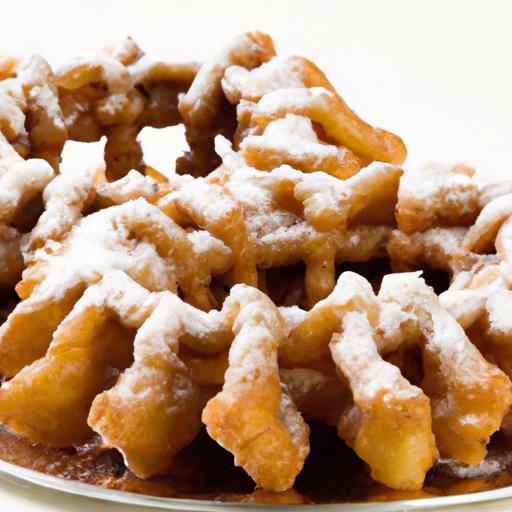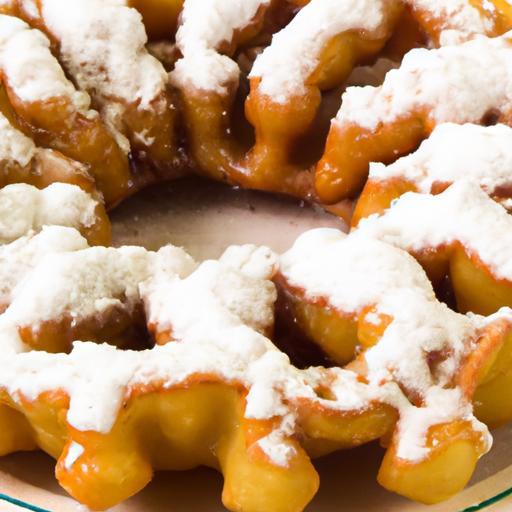
Golden spirals of crispy, cinnamon-kissed batter, dusted with snowy clouds of powdered sugar-few treats evoke the joyful spirit of fairs and festivals quite like the beloved funnel cake. But beyond its irresistible taste and whimsical appearance lies a rich tapestry of history and tradition, swirling together centuries and continents in each bite. In this article, we’ll unravel the story behind the funnel cake, share a classic recipe that brings the carnival magic into your own kitchen, and sprinkle in tasty tips to elevate your creation from simple snack to mouthwatering masterpiece. Get ready to dive deep into the delightful world of funnel cakes-where nostalgia meets tasty innovation.
Origins of Funnel Cake and Its Cultural Meaning
Funnel Cake Delights represent more than just a delicious deep-fried treat; they encapsulate a slice of cultural history originating from the festive fairs of medieval Europe. This iconic dessert, believed to have roots tracing back to the Pennsylvania Dutch settlers, quickly became a staple at American carnivals and fairs by the early 20th century. Funnel cakes embody celebration – their swirling patterns evoke joyful moments, while their warm, crispy texture awakens childhood memories of bustling fairgrounds and laughter. Making funnel cakes at home invites you to partake in a tradition that spans centuries, connecting cultures and generations through simple, delightful indulgence.
Prep and Cook Time
- Readiness: 15 minutes
- Cooking: 10 minutes per batch
- Total Time: Approximately 25 minutes
Yield
- Servings: 4 funnel cakes (serves 4-6 people)
Difficulty Level
- Medium
Ingredients
- 1 cup all-purpose flour, sifted
- 2 tablespoons granulated sugar
- 1 teaspoon baking powder
- 1/4 teaspoon salt
- 3/4 cup whole milk, warmed
- 1 large egg
- 1 teaspoon vanilla extract
- Vegetable oil (for frying, about 2-3 inches deep in a pan)
- Powdered sugar for dusting
Step by Step Guide to Crafting the Perfect Funnel Cake Batter
- Combine dry ingredients: In a medium bowl, whisk together the all-purpose flour, sugar, baking powder, and salt until evenly mixed.
- Mix wet ingredients: In a separate bowl,beat the egg lightly. Add the warmed milk and vanilla extract, whisking until fully combined.
- Incorporate wet into dry: Gradually pour the wet mixture into the dry ingredients, whisking constantly to create a smooth batter without lumps. it’s key that the batter is pourable but not too thin; it should flow easily through a funnel or squeeze bottle.
- Preheat oil: Pour vegetable oil into a heavy-bottomed skillet or deep fryer and heat to 375°F (190°C). Use a thermometer for precision – temperature is crucial to achieve that perfect texture.
- Prepare for pouring: Transfer the batter to a funnel, piping bag, or squeeze bottle. Hold the funnel close to the oil surface and start pouring the batter in a circular, overlapping motion to create the classic swirling funnel cake shape.
- Fry to golden perfection: Fry each cake for 2-3 minutes per side, flipping with tongs or a slotted spatula when the edges become crisp and golden brown.
- drain and cool: Remove funnel cakes and set them on a wire rack lined with paper towels to drain excess oil, preserving that light, airy texture inside.
Secrets to achieving Crispy Edges and Fluffy Centers
Achieving the perfect balance between crispy edges and fluffy centers requires attention to heat and batter consistency. Maintaining a steady oil temperature of 375°F ensures that the exterior cooks quickly without absorbing excess oil, producing that irresistible crispness. The batter’s leavening agent, baking powder, creates tiny air pockets that puff the inside just enough to be tender and light. Avoid overcrowding the pan to prevent the oil temperature from dropping and causing soggy funnel cakes. flipping the cake at the right moment-once the edges turn golden-is essential to creating even cooking and texture contrast.
Creative Toppings and Serving Suggestions to Elevate Your Funnel Cake Experience
Transform these classic funnel cake delights into unforgettable treats with vibrant toppings and creative twists. Start with a generous dusting of powdered sugar for a timeless finish that visually pops against the golden crisp. For a fruity flair, top with fresh berries like strawberries, blueberries, or raspberries, and drizzle with a bright balsamic glaze or honey.Indulge in a decadent pairing with a scoop of vanilla ice cream or swirl on chocolate and caramel sauces to add luscious richness. For a sprinkle of texture, chopped nuts such as toasted pecans or almonds bring a satisfying crunch. Garnish with edible flowers or a pinch of cinnamon for an elegant touch that delights all the senses.
Prep and Cooking Rapid Reference
| Stage | Time (minutes) |
|---|---|
| Preparation | 15 |
| Frying per cake | 6 (3 per side) |
| Total | 25 |
Tips for Success
- Use warmed milk to help the batter blend smoothly for lighter texture.
- If you don’t have a funnel, a squeeze bottle or piping bag with a small round tip works perfectly to create the iconic swirls.
- Maintain oil temperature by frying in small batches, ensuring crispness without excess greasiness.
- For a gluten-free version, substitute flour with a 1:1 gluten-free baking blend but expect slightly denser results.
- Make batter ahead and refrigerate up to 2 hours; stir gently before frying to restore flow.
- Serve promptly for the best warm, fluffy, and crispy experience; funnel cakes tend to soften if left too long.
Discover more classic American desserts to pair beautifully with your funnel cake delights.For additional historical insights, visit History Channel’s funnel cake feature.

Q&A
Q&A: Funnel Cake Delights – History, Recipe, and Tasty tips
Q1: What exactly is a funnel cake?
A1: Imagine a crispy, golden lattice of sweet fried dough dusted with powdered sugar-that’s a funnel cake! Originating from the practice of pouring batter through a funnel or similar tool into hot oil, funnel cakes are a beloved treat often found at fairs, carnivals, and festivals.Their intricate, web-like shape makes them as fun to look at as they are to eat.
Q2: Where did funnel cakes come from?
A2: Funnel cakes have roots dating back centuries to medieval Europe, particularly Germania and the Nordic countries. The concept of pouring batter through a funnel into hot oil evolved over time, and German immigrants brought their beloved “Pfannkuchen” to America in the 19th century. In the US, funnel cakes blossomed into a fairground sensation and a symbol of festive indulgence.
Q3: What’s in a traditional funnel cake batter?
A3: The classic funnel cake batter is a simple, magical mix of flour, eggs, milk, sugar, baking powder, and a pinch of salt. These few ingredients combine to create a smooth, pourable batter that crisps up beautifully when fried, forming those signature tangled swirls.
Q4: Can you share a basic homemade funnel cake recipe?
A4: Absolutely! Here’s a quick guide:
- 2 cups all-purpose flour
- 2 teaspoons baking powder
- 1/2 teaspoon salt
- 1 tablespoon sugar
- 2 large eggs
- 1 1/2 cups milk
- 1 teaspoon vanilla extract (optional)
- Oil for frying (vegetable or canola)
Instructions:
- Mix flour, baking powder, salt, and sugar in a bowl.
- In another bowl, whisk eggs, milk, and vanilla.
- Combine wet and dry ingredients until smooth.
- Heat oil in a deep pan to about 375°F (190°C).
- Pour batter through a funnel (or a squeeze bottle) into hot oil in a swirling motion to form a lattice.
- Fry until golden brown, about 2 minutes per side.
- Drain on paper towels and dust generously with powdered sugar.
Q5: How can I get that perfect crispy texture?
A5: The secret lies in hot oil heated to the right temperature-too cool, and your funnel cake will soak up oil and turn greasy; too hot, and it will burn on the outside while remaining uncooked inside. Maintain about 375°F, and don’t overcrowd the pan. also, draining on paper towels immediately after frying helps keep that delightful crispness.
Q6: Are there creative ways to enjoy funnel cakes beyond powdered sugar?
A6: Oh, definitely! While classic powdered sugar is timeless, you can jazz up your funnel cake with fresh berries, chocolate or caramel drizzle, whipped cream, cinnamon sugar, or even a scoop of ice cream for a decadent finish. Some adventurous souls add sprinkles, nuts, or dips to create a personalized carnival feast.
Q7: Can funnel cakes be made gluten-free or vegan?
A7: Yes! For gluten-free funnel cakes, substitute the all-purpose flour with a gluten-free blend. For a vegan version, replace eggs with flaxseed or chia “eggs,” use plant-based milk like almond or soy, and fry in vegetable oil. The taste and texture might differ slightly, but the fun and flavor remain.
Q8: Why do funnel cakes hold such a special place at fairs and festivals?
A8: Funnel cakes are more than just a snack-they’re an experience. Their warm, sweet aroma fills the air, evoking nostalgia and anticipation. The playful shape and indulgent sweetness invite sharing and smiles, making them an iconic symbol of carefree celebrations and joyous moments.
Whether your remaking history in your kitchen or dreaming of your next festival treat,funnel cakes offer a crispy,sugary delight that connects generations through a simple,delicious tradition. So grab your funnel, fire up the oil, and let the swirling, sizzling adventure begin!
to Wrap It Up
From its humble origins at bustling fairs to the sweet aroma that now fills kitchens worldwide, the funnel cake remains a timeless treat that continues to delight generations.Whether you’re savoring its crispy,golden edges dusted generously with powdered sugar or experimenting with your own creative toppings,this beloved dessert invites you to celebrate both tradition and innovation. Armed with a sprinkle of history, a foolproof recipe, and a handful of tasty tips, you’re ready to bring a little carnival magic home. So go ahead-whip up your own funnel cake masterpiece, and let each bite be a joyful reminder of the delicious journey behind this iconic delight.