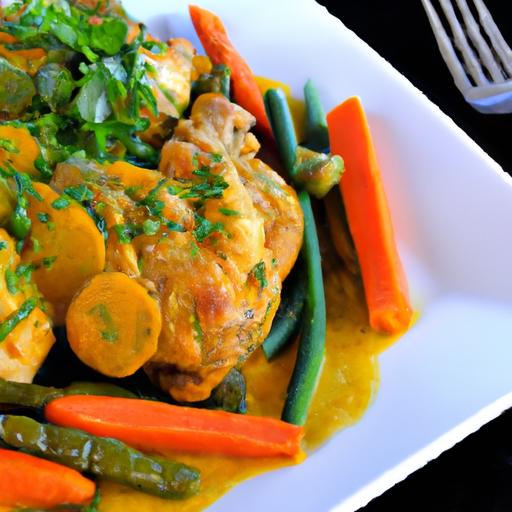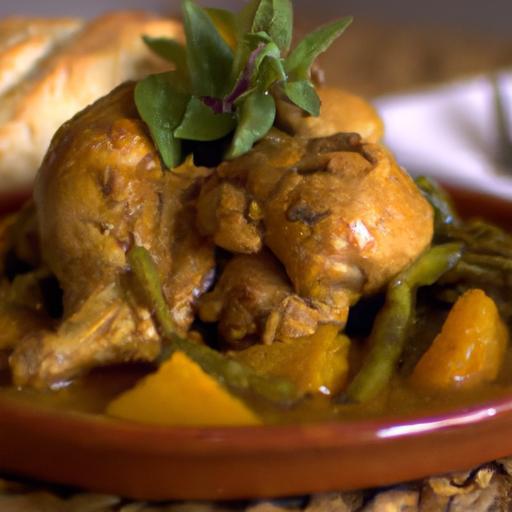
In the heart of North Africa, where ancient trade routes once wove a tapestry of vibrant cultures adn exotic flavors, Moroccan cuisine stands as a fragrant celebration of history and heritage.Among it’s many culinary treasures, the chicken tagine reigns supreme-a slow-simmered symphony of spices, tender meat, and colorful vegetables that tells a story with every bite. “Savor the Spices: Exploring Moroccan Chicken Tagine Traditions” invites you on a sensory journey to uncover the secrets behind this iconic dish, from its aromatic blend of cinnamon, cumin, and saffron to the age-old cooking vessels that transform humble ingredients into a feast fit for royalty.Join us as we delve into the rich traditions, cultural importance, and timeless recipes that make Moroccan chicken tagine a beloved masterpiece of global gastronomy.
Savor the Spices: Exploring Moroccan Chicken Tagine Traditions begins with the vibrant essence of carefully handpicked spices that define the soul of this cherished North African dish. Originating from bustling Moroccan markets and sun-drenched kitchens, Chicken Tagine is a feast for the senses-where fragrant cinnamon, earthy cumin, and luminous preserved lemon mingle to create a mouthwatering symphony of flavors. My frist taste of a perfectly spiced tagine was in Marrakech’s Medina, and it instantly ignited a passion to recreate that aromatic magic at home. With authentic ingredients and a delicate balance of spice,you can craft a tagine experience that is both timeless and approachable.
Savor the Spices: Prep and Cook Time
- Prep Time: 20 minutes
- Cook Time: 1 hour 15 minutes
- Total Time: 1 hour 35 minutes
Yield
Serves 4 generous portions – perfect for sharing with family or friends.
Difficulty Level
medium – Ideal for home cooks comfortable with layering spices and slow-cooked dishes.
Ingredients
- 1 whole chicken (about 3.5 lbs), cut into 8 pieces
- 2 tbsp olive oil
- 1 large onion, thinly sliced
- 3 garlic cloves, minced
- 1 tsp ground ginger
- 1 tsp ground cumin
- 1 tsp ground coriander
- ½ tsp ground cinnamon
- ¼ tsp turmeric
- ½ tsp smoked paprika
- ½ tsp ground black pepper
- 1 tsp kosher salt
- 1 preserved lemon, rinsed, pulp removed, rind thinly sliced
- 1 cup chicken broth
- ½ cup green olives, pitted and rinsed
- 2 tbsp fresh cilantro, chopped
- 2 tbsp fresh parsley, chopped
- 1 tbsp honey (optional, for subtle sweetness)
Instructions
- Prepare the spice mix: In a small bowl, combine ginger, cumin, coriander, cinnamon, turmeric, paprika, black pepper, and salt. This blend forms the aromatic backbone of yoru tagine.
- Brown the chicken: Heat olive oil in a large heavy-bottomed pot or traditional tagine over medium heat. Add the chicken pieces skin-side down and sauté until golden brown, about 5-7 minutes per side. Remove and set aside.
- Cook the aromatics: In the same pot, add the sliced onion and garlic. Sauté gently until translucent and fragrant, about 5 minutes, stirring occasionally to prevent burning.
- Add the spice mix: sprinkle the spice blend over the onions and garlic. Stir continuously for 1-2 minutes to toast the spices and release their full aroma.
- Return the chicken: Nestle the browned chicken pieces back into the pot. Pour in the chicken broth and scatter the sliced preserved lemon rind and green olives over the top.
- Simmer slowly: Reduce heat to low, cover with the tagine lid or a tight-fitting pot lid, and let it simmer gently for about 50-60 minutes until the chicken is tender and infused with spice.
- Finish with herbs and honey: Stir in the fresh cilantro, parsley, and drizzle with honey if you prefer a subtle sweetness that contrasts beautifully with the spices. Cook uncovered for another 5 minutes to meld flavors.
- Adjust seasoning: Taste and tweak salt or pepper as needed. The tagine should present a harmonious blend of warm, earthy, and slightly tangy notes.
Tips for Success
- Opt for fresh spices to intensify the aroma – toast whole spices in a dry pan and grind them if possible.
- Preserved lemons can be substituted with fresh lemon zest and juice if unavailable, though the authentic depth will be milder.
- If a tagine pot is unavailable, a heavy Dutch oven works perfectly to retain moisture and encourage slow cooking.
- Marinate the chicken in the spice mix and olive oil for 2 hours or overnight for deeper flavor penetration.
- leftovers improve after a day as the spices continue to meld. Reheat gently to preserve texture.
Serving Suggestions
Present your Chicken Tagine over a bed of fluffy couscous or whole grain bulgur to soak up the rich sauce. Garnish with extra fresh parsley and delicate slivers of preserved lemon for contrast. Complement with crisp Moroccan pickled vegetables or a simple cucumber and tomato salad tossed with lemon and olive oil. A side of warm,flaky flatbread invites dipping,making every bite a multi-textured delight.

| Nutrient | Per Serving |
|---|---|
| Calories | 450 kcal |
| Protein | 38 g |
| Carbohydrates | 10 g |
| Fat | 25 g |
For more vibrant North African dishes that pair beautifully with this tagine, check out our Moroccan Couscous Salad recipe. To deepen your understanding of tagine cookware history and care, visit the National Geographic feature on Moroccan culinary traditions.
Q&A
Q&A: Savor the Spices – Exploring Moroccan Chicken Tagine Traditions
Q1: What exactly is a Moroccan chicken tagine?
A1: A Moroccan chicken tagine is a fragrant, slow-cooked stew traditionally made with tender chicken pieces, an aromatic blend of spices, vegetables, and often dried fruits or nuts. it’s named after the earthenware pot-called a tagine-in which it’s cooked,featuring a conical lid that traps steam to infuse the dish with deep,layered flavors.
Q2: Why is the tagine pot so meaningful in making this dish?
A2: The tagine pot is not just a cooking vessel; it’s the heart of the tradition. Its unique shape allows steam to circulate gently,tenderizing meat while concentrating the spices and juices in a luscious sauce. This slow, moist cooking method results in an intensely savory and aromatic dish that’s hard to replicate with other cookware.
Q3: What are the signature spices in Moroccan chicken tagine?
A3: The soul of tagine lies in its spices. Commonly used are cinnamon, ginger, turmeric, cumin, saffron, and coriander. These spices create a warm, slightly sweet, and earthy profile that dances on the palate. Often, fresh herbs like cilantro and preserved lemons add brightness and a distinct tang.
Q4: How does the use of preserved lemons and olives enhance the dish?
A4: Preserved lemons and olives bring a salty, zesty complexity that balances the sweetness of dried fruits or honey sometimes added to the tagine. The lemons soften during cooking, releasing a mellow citrus note that lifts the rich sauce, while olives impart a briny depth, creating harmony between all the ingredients.
Q5: Are there regional variations of chicken tagine across Morocco?
A5: Absolutely. Moroccan cuisine is wonderfully diverse. In coastal regions, you might find seafood tagines with spicy harissa, while inland areas favor hearty lamb or chicken with dried apricots and almonds. Some versions highlight vegetables like carrots and potatoes, while others integrate pulses or couscous, reflecting local bounty and customs.
Q6: What cultural traditions surround the readiness and sharing of tagine?
A6: Tagine is much more than food; it’s a communal celebration.Traditionally served family-style, the dish encourages sharing around a low table, frequently enough eaten with hands using soft bread as a utensil. The long cooking process is a ritual of patience and hospitality,reflecting Moroccan values of warmth and connection.
Q7: Can you recreate an authentic chicken tagine experience at home without a tagine pot?
A7: While a traditional tagine is ideal, a heavy-bottomed, lidded dutch oven or casserole dish works beautifully for home cooks. The key is slow cooking over low heat to meld the spices and tenderize the chicken. Investing in preserved lemons and a thoughtful spice blend will bring you closest to the authentic Moroccan flavors.
Q8: What pairings best complement a Moroccan chicken tagine?
A8: To honor tradition, serve tagine with fluffy couscous or crusty bread to soak up the rich sauce. A side of roasted vegetables or a fresh herb salad can add contrast. For drinks, mint tea is a classic Moroccan accompaniment, while a light, fruity red or dry rosé can beautifully balance the spices.
Q9: Why has Moroccan chicken tagine captivated food lovers worldwide?
A9: Moroccan chicken tagine is a sensory journey-aroma, color, texture, and taste weave together into a tapestry of flavors that evoke warmth, history, and heart. Its artful blend of spices and slow-cooked tenderness transform humble ingredients into a dish that feels both exotic and comforting, making it beloved across cultures.
Q10: How can exploring Moroccan chicken tagine deepen one’s appreciation for Moroccan culture?
A10: Delving into tagine traditions opens a window into Morocco’s rich cultural mosaic-its history of trade, diverse influences, and communal spirit. Cooking and sharing tagine invites you to experience the rhythms of Moroccan life, where food is a language of storytelling, hospitality, and shared joy. Savoring tagine is thus savoring a piece of Morocco itself.
In Summary
As the aromatic embrace of Moroccan spices lingers in the air, the chicken tagine reveals not just a meal, but a story steeped in history, culture, and community. Each fragrant bite invites you to savor centuries-old traditions, where every herb and seasoning plays a role in a culinary symphony that transcends the dining table. Exploring Moroccan chicken tagine is more than a taste adventure-it’s an invitation to connect with a rich heritage and experience the warmth of a culture that celebrates the art of slow-cooked flavor. So next time you lift the conical lid, remember: you’re not just tasting a dish-you’re savoring a vibrant mosaic of Moroccan life, one spice at a time.