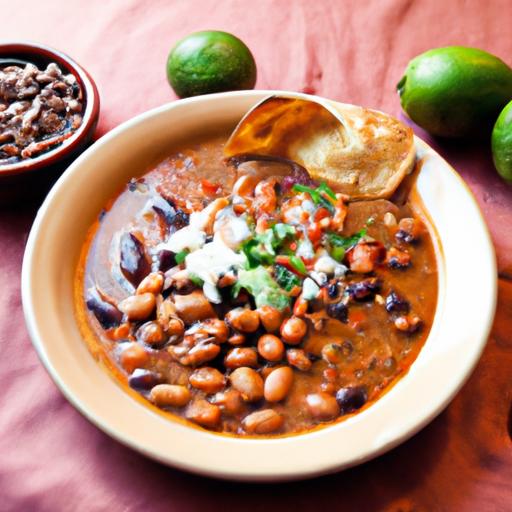
In the heart of Mexican kitchens, where flavors simmer with stories adn tradition, a humble pot bubbles quietly on the stove-Frijoles de la olla. These slow-cooked beans, simple yet profoundly comforting, are more than just a staple; they are a culinary emblem of heritage and home. As fragrant steam rises, it carries with it centuries of culture, family gatherings, and the vibrant spirit of Mexico’s diverse regions. Join us as we unveil the essence of Frijoles de la Olla, exploring their origins, preparation, and the soulful magic that makes these traditional beans a beloved cornerstone of Mexican cuisine.
Frijoles de la Olla are a cornerstone of Mexican home cooking, embodying simplicity, tradition, and the deep-rooted flavors of rural kitchens. This humble yet comforting dish offers more than just nourishment-it carries centuries of cultural meaning, from bustling markets in Oaxaca to family tables across Jalisco. Rich, creamy, and perfectly seasoned, these classic slow-cooked beans tell a story of heritage and community with every spoonful.
Prep and cook Time
- Preparation Time: 10 minutes (plus soaking time)
- Cook Time: 1 hour 45 minutes
- Total Time: Approximately 2 hours (including soaking)
Yield
Serves 6 generous portions, perfect for a family meal or as a side for festive gatherings.
Difficulty Level
Easy to Intermediate. Minimal active prep; requires patience during slow cooking for best results.
Ingredients
- 1 cup dried pinto beans, rinsed and soaked overnight
- 6 cups filtered water
- 1 small white onion, peeled and halved
- 3 garlic cloves, peeled and smashed
- 1 teaspoon salt (adjust to taste)
- 1 bay leaf
- Optional: 1 small dried chile (e.g., ancho or chipotle) for subtle heat
Step-by-Step Guide to Preparing authentic Frijoles de la Olla
- Soak the Beans: Start by soaking your dried pinto beans overnight in plenty of cold water. This softens the beans, reduces cooking time, and aids digestibility. If short on time, use a swift soak: cover beans with boiling water and let them sit for 1 hour.
- Drain and Rinse: Drain the soaked beans and rinse well under cold water to remove any residual dirt or impurities.
- Combine Ingredients: In a heavy-bottomed pot,combine soaked beans,6 cups of filtered water,halved onion,smashed garlic,bay leaf,and dried chile if using.
- Bring to a Boil: Place the pot over medium-high heat and bring the mixture to a gentle boil, uncovered. Skim off any foam that forms on the surface during the initial boil to keep the broth clear.
- Simmer Slowly: Reduce heat to low, cover the pot partially with a lid, and simmer for approximately 1 hour 30 minutes to 2 hours. The beans should be tender but not mushy-perfectly cooked to release their creamy texture while holding their shape.
- Add Salt Near the End: During the last 15 minutes of cooking, season with salt to prevent toughening the bean skins.
- Final Taste and Adjust: Remove the bay leaf and onion pieces. Taste the broth and adjust seasoning as needed-sometimes a pinch of ground black pepper or a squeeze of fresh lime adds a subtle brightness.
Chef’s Tips for Success
- Use fresh beans: Older beans take longer to cook and may never soften properly.
- Avoid salting early: Salt can toughen skins and prolong cooking time.
- Preserve liquid: The cooking liquid,rich in nutrients and flavor,is traditionally used as a broth or base for other recipes like Mexican rice.
- Slow and steady: Avoid rapid boiling; gentle simmering preserves bean texture and flavor.
- Make ahead: Frijoles de la Olla taste even better the next day-store in refrigerator and reheat gently.
Flavor Enhancements and Traditional Serving suggestions
The true beauty of Frijoles de la Olla lies in its versatility. Traditionally enjoyed straight from the pot with a splash of its savory broth,these beans pair wonderfully with fresh,simple accompaniments that elevate their flavor without overpowering it.
- Garnish ideas: Chopped fresh cilantro, diced white onion, thinly sliced radishes, or a drizzle of Mexican crema add texture and freshness.
- Serving styles: Ladle the beans into bowls and serve with warm corn tortillas, crumbled queso fresco, and slices of avocado.
- Classic pairings: Serve alongside classic mexican staples such as grilled meats, chiles rellenos, or as a comforting base beneath a sunny-side-up egg.
- Enhanced broth: Squeeze a wedge of lime and sprinkle a pinch of chili powder or smoked paprika over the beans to add layers of depth.
Health Benefits and Nutritional Profile of Mexican Bean Classics
| Nutrient | Amount per 1 cup cooked |
|---|---|
| Calories | 245 kcal |
| Protein | 15.4 g |
| Carbohydrates | 44.8 g |
| Dietary Fiber | 15.4 g |
| Fat | 1.1 g |
| Iron | 3.6 mg (20% DV) |
| Folate | 256 mcg (64% DV) |
Frijoles de la Olla are a powerhouse of plant-based protein, fiber, and essential micronutrients such as iron and folate. Their high fiber content supports digestive health and aids in blood sugar regulation. Moreover, their natural low-fat composition makes them a heart-healthy choice that delivers sustained energy-a perfect ingredient for those seeking balanced, nutrient-dense meals.
To learn more about the nutritional science behind traditional legumes, visit the American Nutrition Association.

Q&A
Q&A: frijoles de la Olla – Traditional Mexican Beans Unveiled
Q1: What exactly are Frijoles de la Olla?
A1: Frijoles de la Olla, literally translating to “beans from the pot,” are a classic Mexican staple-simple, humble, and flavorful. They’re whole beans simmered slowly in a pot (usually earthenware) until tender,absorbing the essence of simple aromatics,creating a comforting dish that’s been part of Mexican kitchens for centuries.
Q2: What type of beans are used to make Frijoles de la Olla?
A2: The star of the show is typically the black bean, prized for its rich color and creamy texture.Sometimes pinto beans are used as well, depending on regional preferences or family traditions. nonetheless, the beans soak up the flavors of garlic, onion, and bay leaf, turning into a versatile treasure.
Q3: How are Frijoles de la Olla different from refried beans?
A3: Frijoles de la Olla are whole, gently cooked beans served in their own savory broth, whereas refried beans (frijoles refritos) are mashed and fried-a transformed, creamier cousin. Frijoles de la Olla celebrate purity, shine in their simplicity, and can be enjoyed as a soup, side dish, or base for other recipes.
Q4: What makes Frijoles de la Olla so culturally significant?
A4: These beans are more than food; they’re a symbol of Mexican heritage and home cooking.Passed down through generations, they represent sustenance, tradition, and the heart of communal meals. From bustling markets to family tables, Frijoles de la Olla connect people to their roots with every warm spoonful.
Q5: Are Frijoles de la olla healthy?
A5: Absolutely! Packed with protein, fiber, and essential nutrients, they’re a nutritious powerhouse, especially for plant-based diets. Slow-cooked without heavy fats, they’re a wholesome choice that nourishes both body and soul.
Q6: How do you serve Frijoles de la Olla traditionally?
A6: traditionally, they’re ladled fresh and steaming alongside rice, tortillas, or topped with crumbled cheese and a splash of fresh lime. Sometimes, they’re accompanied by pickled jalapeños, chopped onions, or a drizzle of salsa-simple additions that elevate the natural flavors.
Q7: Can Frijoles de la Olla be adapted to modern cooking methods?
A7: Certainly! While the traditional slow stovetop method remains beloved,many use pressure cookers or slow cookers for convenience. These techniques preserve the soul of the dish while speeding up the process-perfect for busy modern lives craving a taste of tradition.
Q8: What’s the secret to perfect Frijoles de la Olla?
A8: Patience and quality ingredients. Soaking the beans overnight helps with tenderness and digestion, while fresh garlic, onion, and bay leaf infuse depth. Cooking low and slow allows the beans to release their creamy texture and soak up the aromatic broth-resulting in a bowl of simple joy.
Q9: Can Frijoles de la Olla be enjoyed cold or repurposed?
A9: Definitely! While best enjoyed warm, they make fantastic leftovers-cooling develops flavor further.they can transform into frijoles refritos (refried beans), bean soups, or even bean salads, proving their versatility beyond the classic pot.
Q10: why should everyone try Frijoles de la olla at least once?
A10: As they’re an edible bridge to Mexican culture-comfort in a pot that tells stories of family,history,and flavor. they’re a reminder that sometimes the simplest ingredients, prepared with care, create the most profound culinary experiences. A taste of frijoles de la Olla is a taste of tradition itself.
the Conclusion
As the fragrant steam rises from a pot of frijoles de la olla,it carries with it centuries of tradition,warmth,and community. These humble beans-simple in ingredients but rich in history-are far more than just a staple on Mexican tables; they are a appetizing testament to the country’s enduring culinary heritage. Whether served alongside vibrant salsas,nestled within a hearty meal,or enjoyed straight from the pot,frijoles de la olla invite us to savor the essence of Mexico in every bite. So next time you stir a pot of these tender beans, remember you’re not just cooking food-you’re partaking in a story that has nourished generations and continues to bring people together across the miles.