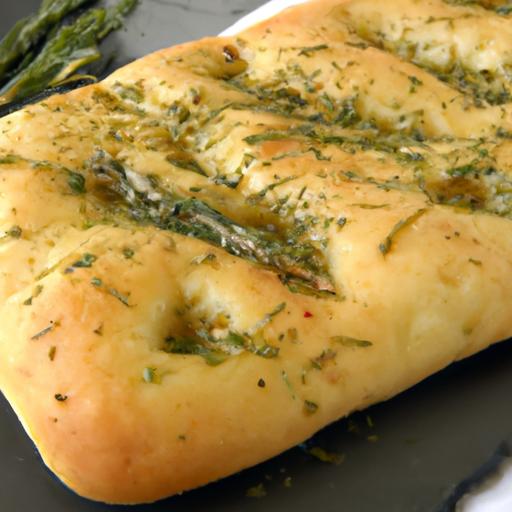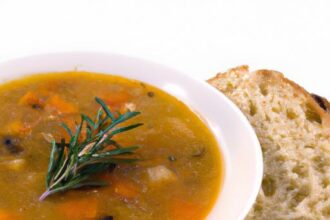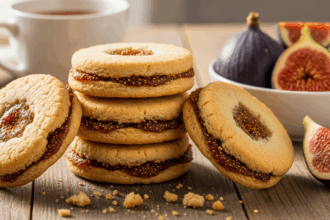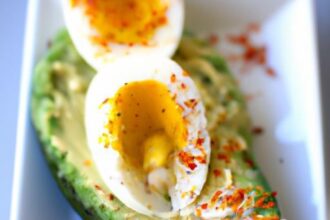
There is something undeniably enchanting about the scent of freshly baked bread wafting through the air-an aroma that speaks of warmth, tradition, adn simple pleasures. Among Italy’s rich tapestry of baked delights, aromatic herb focaccia stands out as a fragrant classic that captures the essence of the Mediterranean in every bite. This golden, olive oil-kissed flatbread, studded with rosemary, thyme, and other garden-fresh herbs, is more than just a side dish; it’s a sensory experience that transports you to sun-drenched Italian hillsides and bustling village markets. In this article,we’ll explore the art and heart behind baking aromatic herb focaccia,revealing how a handful of humble ingredients come together to create a timeless treasure cherished from Genoa to your own kitchen.
Aromatic Herb Focaccia: The Quintessential Italian Bread Experience
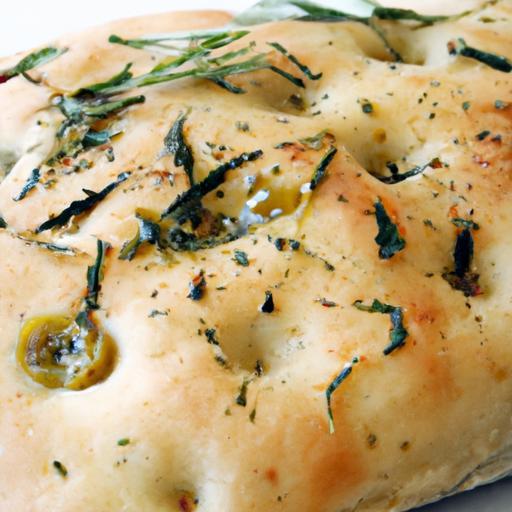
Aromatic Herb Focaccia invites you to embark on a sensory journey rooted deeply in the sun-kissed hills of Liguria, Italy. This beloved bread, kissed by fragrant Mediterranean herbs and drizzled with golden olive oil, offers more than just a taste-it tells the story of a region where fresh, simple ingredients create exceptional flavors. Baking this Italian classic in your own kitchen unlocks the secret to a perfectly crisp crust and tender crumb, transporting you to rustic Italian courtyards with every bite.
Prep and Cook Time
- Preparation: 20 minutes (plus 1.5 to 2 hours rising)
- Cook Time: 25 to 30 minutes
- Total: Approximately 2 to 2.5 hours
Yield
Serves 8 generous slices
Difficulty Level
Medium - approachable for any home baker ready to elevate their bread game
Ingredients
- 3 ½ cups all-purpose flour, sifted
- 1 ¼ cups warm water (110°F/43°C)
- 2 ¼ tsp active dry yeast (1 packet)
- 1 tbsp granulated sugar
- 2 tsp fine sea salt
- ⅓ cup extra virgin olive oil, plus more for drizzling
- 2 tbsp fresh rosemary, finely chopped
- 1 tbsp fresh thyme leaves
- 1 tbsp fresh oregano, chopped
- Flaky sea salt for finishing
instructions
- Activate the yeast: In a medium bowl, combine warm water, sugar, and yeast. Stir gently and allow it to sit for 5-7 minutes until foamy and fragrant, signaling active yeast.
- Make the dough: In a large mixing bowl, whisk together all-purpose flour and sea salt. Slowly pour in the yeast mixture and ⅓ cup olive oil, stirring with a wooden spoon until a rough dough forms.
- Knead the dough: Transfer dough to a lightly floured surface. Knead for 8-10 minutes until elastic and smooth. For a softer crumb, knead until the dough springs back when poked.
- First rise: Lightly oil a large bowl and place the dough inside. Cover with a damp towel or plastic wrap. Let it rise in a warm,draft-free place for 1 to 1.5 hours, or until doubled in size.
- Prepare the pan: Generously oil a 9×13-inch baking pan with olive oil. Gently press the risen dough into the pan, stretching it to the edges but avoiding tearing.
- Herb infusion: Drizzle the top with olive oil. Use your fingertips to gently dimple the dough surface, creating perfect pockets. Sprinkle evenly with rosemary, thyme, oregano, and flaky sea salt.
- Second rise: Cover loosely and let the dough rest for another 30 minutes. This step ensures a light, airy texture on baking.
- Bake to perfection: Preheat your oven to 425°F (220°C). Bake the focaccia for 25-30 minutes until the crust turns a deep golden hue and crisp to the touch.
- Cool and serve: Remove from oven and let cool slightly in the pan for 10 minutes. Transfer to a rack if possible, then slice and serve warm.
Tips for Success
- Choosing herbs: opt for fresh, fragrant herbs picked within a day of baking. Fresh rosemary and thyme release essential oils that infuse the bread with authentic Mediterranean aroma.
- Olive oil is key: Use a high-quality extra virgin olive oil for both dough incorporation and finishing drizzle. It amplifies the golden crust’s flavor and mouthfeel.
- Don’t skip the dimpling: Gently pressing your fingertips into the dough traps olive oil and forms pockets that contribute to the signature crisp yet tender texture.
- Make ahead: Prepare the dough the night before, refrigerate after first rise, and bake fresh the next day for enhanced flavor complexity.
- Troubleshooting: If your focaccia comes out dense, allow for longer rising times or check your yeast’s freshness-vital for proper aeration.
Serving Suggestions
Aromatic herb Focaccia shines as both a standalone snack and a versatile side. Serve warm, lightly brushed again with extra virgin olive oil and sprinkled with more flaky sea salt. Pair it with vibrant heirloom tomatoes, creamy burrata, or herb-infused dips. For an elegant touch, add a scattering of edible flowers or microgreens atop before serving. Crusty on the outside and tender inside, it’s the perfect companion to rustic Italian charcuterie or a fresh green salad.

| Nutrient | Per Serving (1 slice) |
|---|---|
| calories | 210 kcal |
| Protein | 5 g |
| Carbohydrates | 26 g |
| Fat | 9 g |
For a deeper dive into Italian breads and their cultural background,check out our comprehensive guide to Italian breads. to learn more about olive oil’s unmatched role in Mediterranean cuisine, explore The International olive Council.
Q&A
Q&A: Aromatic Herb Focaccia - Baking Italy’s Fragrant Classic
Q1: What exactly is focaccia, and why is it so beloved in Italian cuisine?
A1: Focaccia is a golden, pillowy flatbread that hails from Italy’s sun-kissed Mediterranean coast. Its simple ingredients-flour, olive oil, water, and yeast-transform into a fragrant, slightly crisp treat boasting a chewy interior.Beloved for its rustic charm and versatility,focaccia serves as a perfect snack,a side,or the base for elaborate sandwiches. Its aromatic herb-enhanced version elevates it from humble bread to a sensory journey through Italian gardens.Q2: Why add herbs to focaccia, and which ones work best?
A2: Herbs inject focaccia with bursts of fragrance and flavor that dance on the palate. They mirror the Italian landscape-fresh, vibrant, and aromatic. Classic herbs like rosemary and thyme bring earthiness, while oregano and basil add sweet, peppery notes.Many bakers also experiment with sage or marjoram. The key is to scatter them lavishly over the dough before baking, releasing their essential oils into every bite.
Q3: How does olive oil influence the texture and taste of herb focaccia?
A3: Olive oil is the heart and soul of focaccia. It enriches the dough, creating a tender crumb that’s both moist and airy. Drizzling extra virgin olive oil atop the dough before baking forms a golden, slightly glossy crust that crackles delightfully. The oil also acts as a carrier for the herbs, allowing their flavors to infuse deeply. The resulting aroma often conjures visions of Italian groves and sun-drenched afternoons.
Q4: What’s the secret to achieving focaccia’s signature texture-crispy outside and soft inside?
A4: It’s all about patience and technique. A slow, extended fermentation allows gluten to develop, producing an airy, bubbly crumb. After the dough has risen, gentle dimpling with fingertips creates pockets that trap olive oil and herbs, ensuring a moist interior and crisp exterior. Baking on a hot stone or heavy baking sheet helps form that golden crust. Temperature and timing are crucial-too long, and it dries out; too short, and it remains doughy.
Q5: Can focaccia be customized beyond herbs?
A5: Absolutely! While herbs define the traditional aromatic focaccia, additions like flaky sea salt, caramelized onions, cherry tomatoes, olives, or even thin slices of potatoes turn this bread into a canvas for creativity. Some bakers add cheese or smoked paprika for a twist.However, the beauty of herb focaccia lies in its simplicity-each ingredient enhancing, not overpowering, the other.
Q6: How can beginners approach baking their first aromatic herb focaccia?
A6: Start with a straightforward recipe and quality ingredients, especially good olive oil and fresh herbs. Allow ample time for fermentation-rushing fermentation compromises texture. Be generous with the olive oil and herbs on top; don’t be shy, they’re what make focaccia irresistible. Use a well-preheated oven and try baking on a heavy tray to mimic a stone surface. Lastly,embrace imperfections-rustic charm is part of focaccia’s allure!
Q7: What cultural importance does focaccia hold in Italy?
A7: Focaccia is more than bread; it’s a cherished symbol of community and tradition. In regions like Liguria, it’s a daily staple, often enjoyed with a glass of wine or alongside meals. Festivals celebrate its baking, and recipes pass down through generations.Its fragrant,herbaceous aroma evokes a sense of home,warmth,and shared moments-an edible hug from Italy itself.
Baking aromatic herb focaccia invites you to connect with centuries of Italian tradition,filling your kitchen with heavenly scents and your table with rustic elegance. Ready to make this fragrant classic your own? Buon appetito!
Wrapping up
As the warm, golden crust of your aromatic herb focaccia emerges from the oven, it carries with it more than just the enticing scents of rosemary, thyme, and sage-it carries the spirit of Italy’s rich culinary heritage. This fragrant classic is more than bread; it’s a sensory journey to sun-drenched countryside kitchens and bustling markets filled with fresh herbs and ripe olives. Whether enjoyed as a rustic accompaniment to your meal or savored on its own, aromatic herb focaccia invites you to slow down, breathe in the essence of tradition, and share a timeless slice of Italy’s artisanal soul. So gather your ingredients, embrace the simple pleasure of baking, and let every fragrant bite connect you to a story as warm and inviting as the focaccia itself.