In the sun-drenched streets adn bustling markets of the Middle East, where ancient traditions meet modern rhythms, two beloved beverages stand out as timeless symbols of refreshment and comfort: Karkade and Sahlab. These drinks, infused with the rich flavors and cultural heritage of the region, offer more than just hydration-they tell stories of hospitality, celebration, and centuries-old craftsmanship. From the vibrant scarlet hue of Karkade’s hibiscus petals to the creamy warmth of Sahlab’s spiced milk,each sip invites you on a sensory journey thru Middle Eastern history and flavor. Join us as we explore the origins, ingredients, and enduring popularity of these favorite drinks that continue to refresh bodies and souls alike.
Refreshing sips like Karkade and Sahlab hold a treasured place across the Middle East, inviting us to explore not only their vibrant flavors but the rich traditions that brought them to life.These beloved beverages have been passed down through generations, each cup a story steeped in culture, warmth, and sensory delight.
Prep and Cook Time
- Karkade: 10 minutes prep, 15 minutes brewing
- Sahlab: 5 minutes prep, 20 minutes cooking
Yield
- Karkade: Serves 4
- Sahlab: Serves 4
Difficulty level
- Both drinks: Easy
The Art of Brewing Perfect Karkade and Creamy Sahlab at Home
Ingredients
- For Karkade:
- 1 cup dried hibiscus petals (Karkade)
- 5 cups water
- 1/2 cup sugar (adjust to taste)
- 2-3 cardamom pods (optional)
- Fresh mint leaves for garnish
- Ice cubes (optional)
- For Sahlab:
- 4 cups whole milk
- 1/4 cup cornstarch
- 1/4 cup sugar
- 1 tsp rose water
- 1/2 tsp ground cinnamon
- Chopped pistachios and shredded coconut for garnish
Instructions
- Prepare the Karkade: In a medium saucepan, bring 5 cups of water to a boil. Add the hibiscus petals and cardamom pods, then reduce heat and simmer for 15 minutes until the water is deep ruby red and aromatic.
- Strain the liquid through a fine sieve into a pitcher, discarding the petals and cardamom.
- While still warm, stir in the sugar until fully dissolved. Adjust sweetness according to preference.
- Serve chilled over ice or warm with a garnish of fresh mint leaves for a refreshing finish.
- Prepare the Sahlab: In a saucepan, combine cornstarch with 1/2 cup of the milk to create a smooth slurry, ensuring no lumps remain.
- Heat the remaining milk and sugar in a separate pot over medium heat until just simmering, then gradually whisk in the cornstarch mixture.
- Simmer gently, stirring constantly for about 15 minutes until the mixture thickens to a creamy custard consistency.
- Remove from heat, stir in rose water, then pour into serving cups.
- Sprinkle with ground cinnamon, chopped pistachios, and shredded coconut for an inviting presentation.
- Enjoy warm, allowing the rich floral notes and silky texture to envelop your palate.
Tips for Success
- Use quality dried hibiscus petals for the most vibrant color and tart flavor in Karkade.
- To deepen the aroma, toast cardamom pods lightly before adding them to Karkade.
- For vegan Sahlab, substitute whole milk with almond or oat milk, tho the texture may be slightly lighter.
- Prep Sahlab ahead and gently reheat, stirring to retain smoothness.
- Adjust the sweetness of both drinks gradually to suit your preference – customary recipes frequently enough vary regionally.
Serving Suggestions
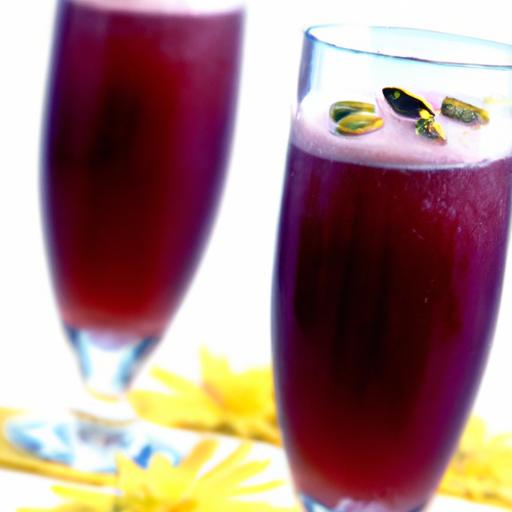
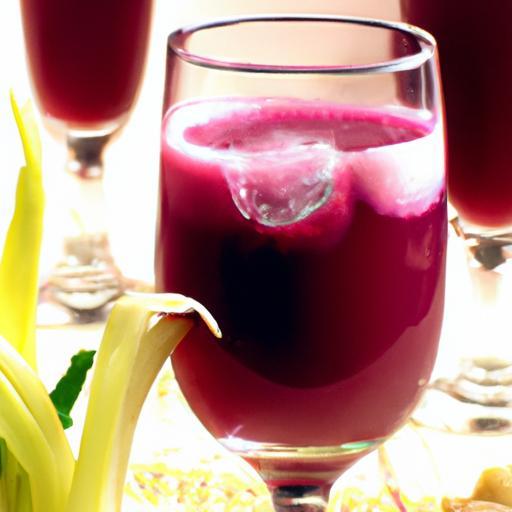
Present Karkade in tall, clear glasses to showcase its captivating crimson hue, garnished with crisp mint sprigs and a slice of lemon for a zesty lift. This drink pairs wonderfully with light mezze or savory pastries after a warm day.
Sahlab shines served in charming ceramic cups, accompanied by a dusting of cinnamon and the nutty contrast from pistachios. It’s a perfect treat during cool evenings or as a gentle dessert after hearty meals. Adding a drizzle of honey or a few rose petals elevates its elegance.
| Drink | Calories (per serving) | Protein (g) | Carbs (g) | Fat (g) |
|---|---|---|---|---|
| Karkade | 70 | 0.5 | 18 | 0 |
| Sahlab | 180 | 6 | 30 | 5 |

For those enchanted by Middle Eastern flavors, these refreshing sips offer a gateway to culinary heritage that feels both familiar and exotic. Discover more delightful recipes like our guide to Middle Eastern desserts or deepen your knowledge about the healing powers of hibiscus from Healthline.
Q&A
Q&A: Refreshing sips: Karkade & Sahlab, Middle East’s Favorite Drinks
Q1: What makes Karkade such a beloved drink across the middle East?
A1: Karkade, also known as hibiscus tea, enchants with its deep crimson hue and tangy-sweet flavor. It’s beloved not just for its refreshing taste but for its cooling properties in the searing desert heat. Rich in antioxidants and traditionally served chilled or warm, Karkade offers a vibrant sip that balances tartness with subtle floral notes-perfect for both celebrations and everyday moments.
Q2: How is Karkade traditionally prepared?
A2: The process is simple yet steeped in tradition.Dried hibiscus petals are steeped in hot water until the liquid turns a bright ruby red.Sugar is added to soften the natural tartness, and sometimes hints of rose water or cinnamon enhance the aroma.Served over ice or hot, Karkade invites a moment of calm with every sip, often accompanied by dates or nuts.
Q3: What exactly is Sahlab, and why is it so comforting?
A3: Sahlab is a luscious Middle Eastern warm drink and dessert, made from a starchy orchid-root powder or a substitute flour, blended with milk and sweetened to creamy perfection. Its velvety texture and rich flavor comfort the soul, especially during chilly nights or Ramadan gatherings. Topped with cinnamon, nuts, and sometimes coconut flakes, Sahlab is like a warm hug in a cup.
Q4: Are there regional variations in how sahlab and Karkade are enjoyed?
A4: Absolutely! While Karkade is popular from North Africa to the Levant, some regions add mint or orange blossom for unique twists. In Egypt, as an example, it’s common to serve Karkade both hot and cold, depending on the season. Sahlab also wears many hats-from Lebanon’s traditional cinnamon dusting to Turkey’s thicker, pudding-like Sahlep. These variations celebrate local tastes and customs, making each sip a cultural journey.Q5: can these drinks be enjoyed year-round?
A5: Yes! Karkade’s chilling, tart freshness makes it a perfect summer quencher, while when served warm, it soothes during cooler months. Sahlab, with its creamy warmth, is a winter staple that brings cozy comfort. Together, they form a dynamic duo-inviting you to experience the Middle East’s rich beverage heritage in every season.
Q6: Why should someone outside the Middle East try Karkade and Sahlab?
A6: Beyond their tantalizing flavors,Karkade and Sahlab offer a taste of Middle Eastern hospitality and tradition. They carry stories of ancient trade routes, family gatherings, and celebrations under starry desert skies. Exploring these drinks opens a window to a culture that treasures warmth, community, and simple pleasures-perfect for anyone eager to sip history and flavor in one delightful cup.
In Retrospect
As the sun sets over bustling bazaars and tranquil deserts alike, the timeless allure of karkade and sahlab continues to captivate hearts across the Middle East.These refreshing sips, steeped in centuries of culture and flavor, offer more than just a beverage-they invite us to experience the rich tapestry of tradition, warmth, and hospitality that defines the region. Whether you’re savoring the tart, ruby-hued karkade or indulging in the creamy, comforting embrace of sahlab, each drink tells a story worth sipping slowly. so next time you seek a taste of the Middle East, let these cherished classics refresh your palate and your spirit alike.